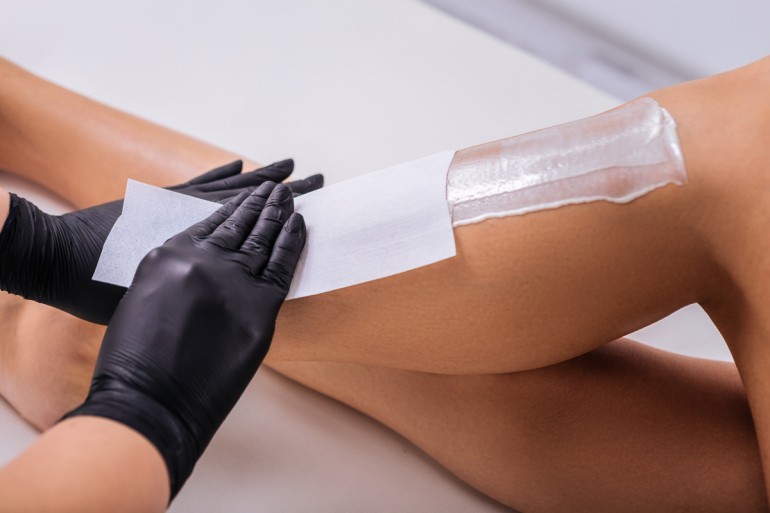
Learn cosmetology, massage, manual therapy, and aesthetic treatments through over 70 online beauty courses on an interactive learning platform. Earn a certificate after every course and save up to 40% with course bundles.

 online
Learn cosmetology, massage, manual therapy, and aesthetic treatments through over 70 online beauty courses on an interactive learning platform. Earn a certificate after every course and save up to 40% with course bundles.






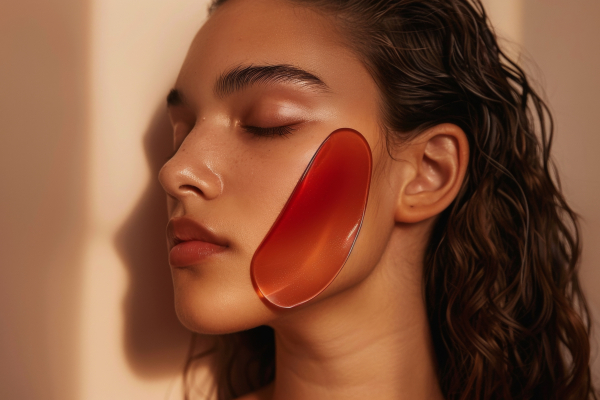

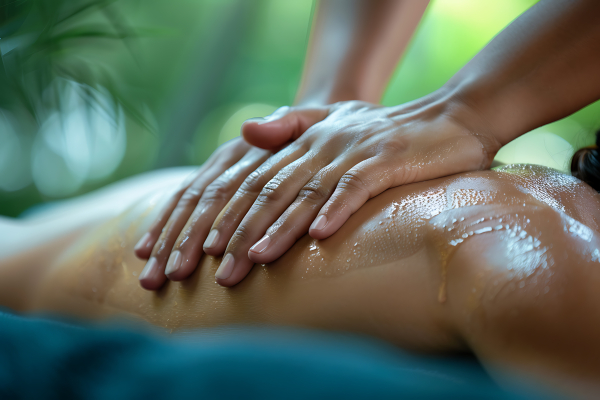

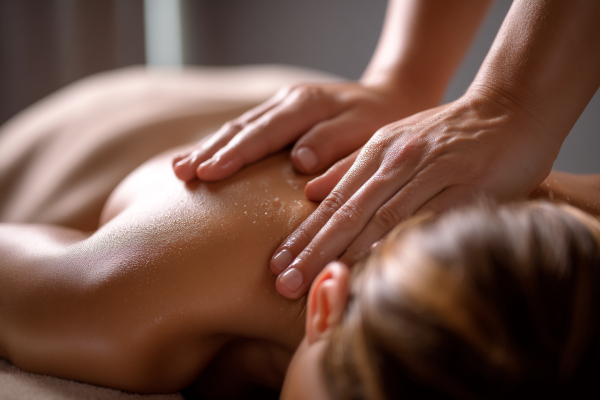
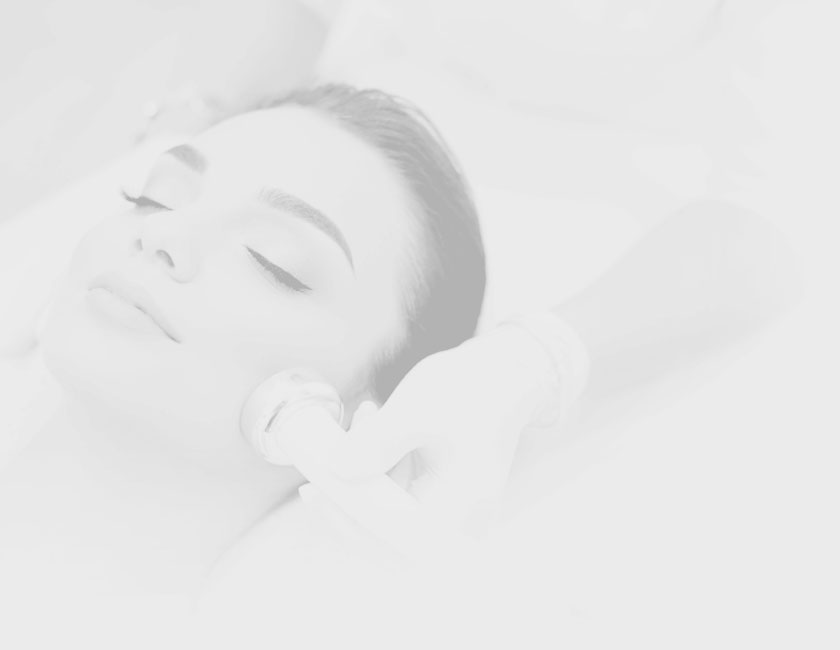
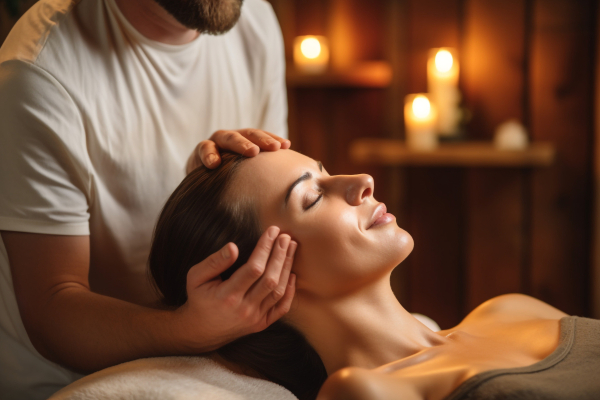
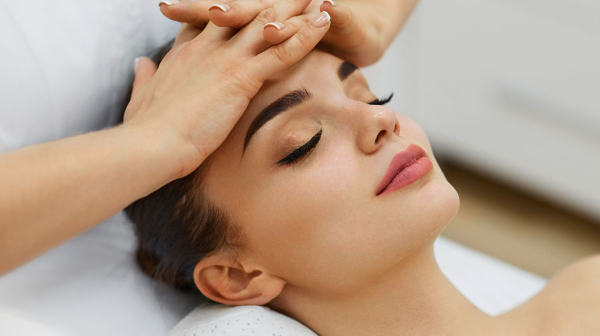
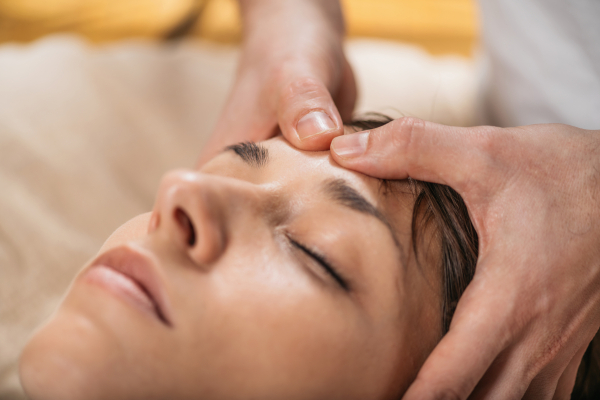
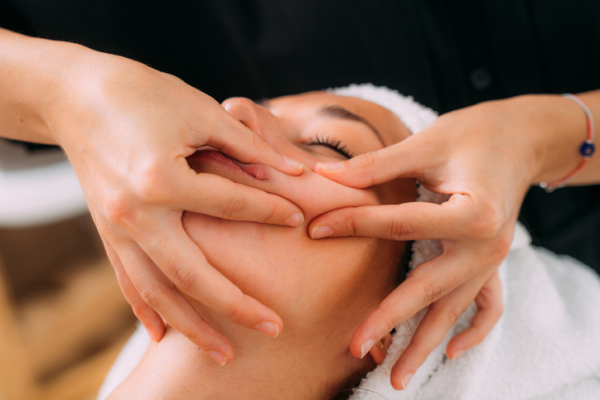
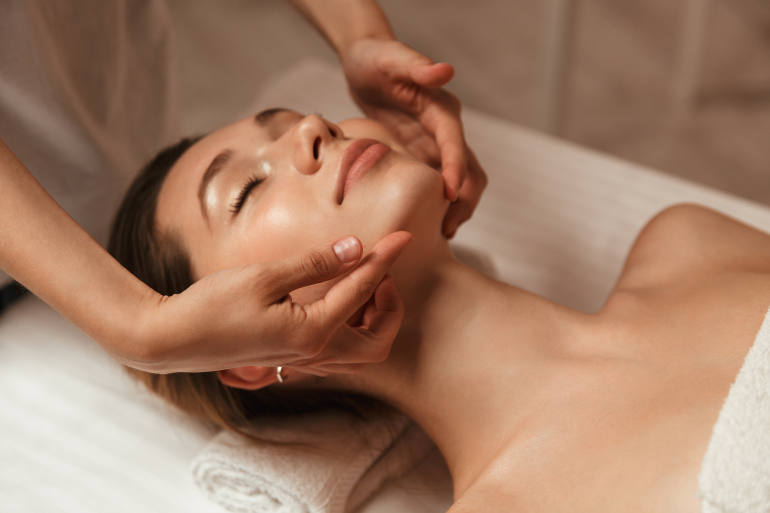
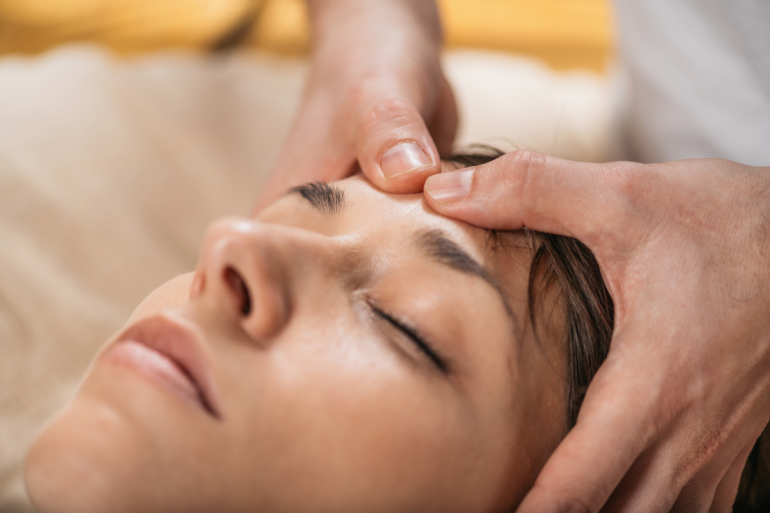
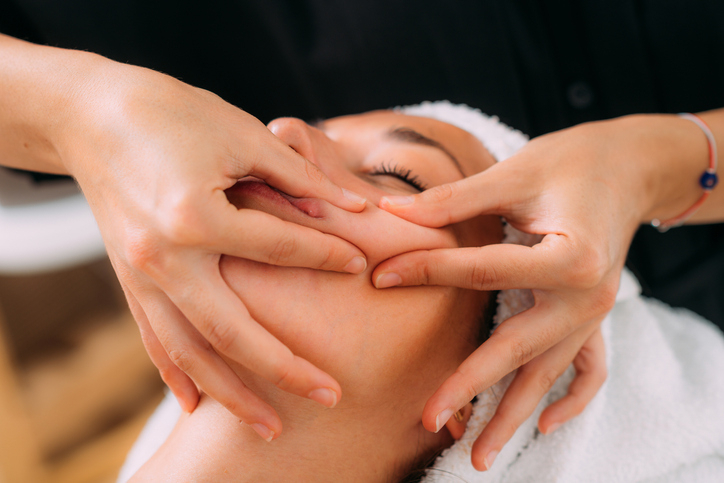
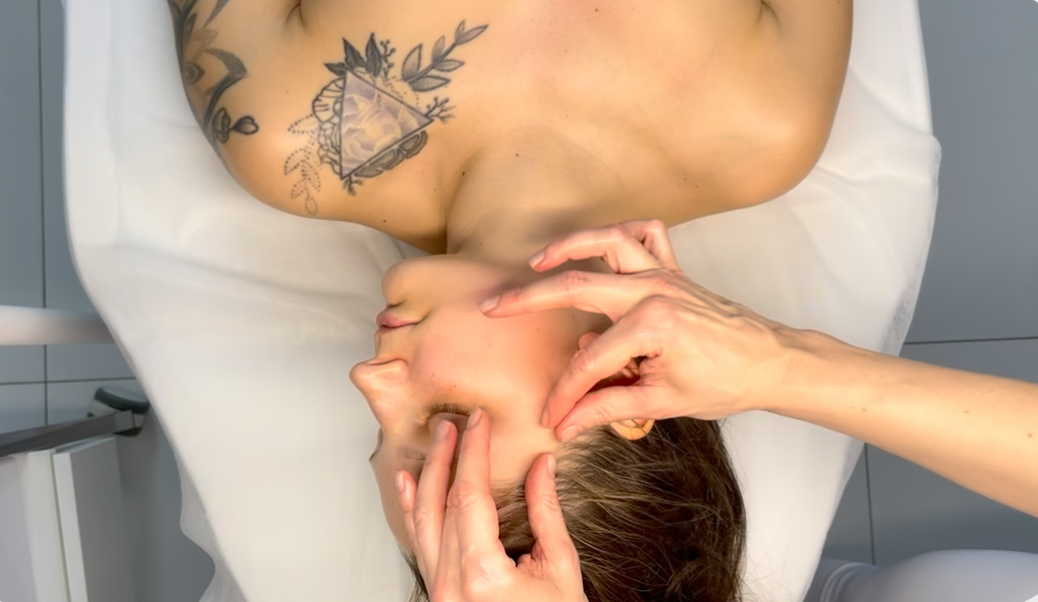
Kobido is an advanced manual facial massage technique rooted in traditional Japanese methods.
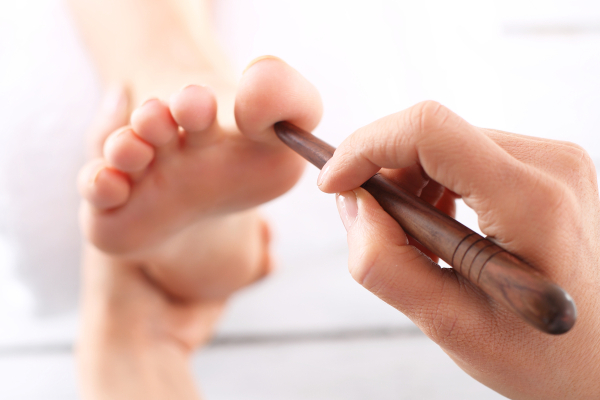
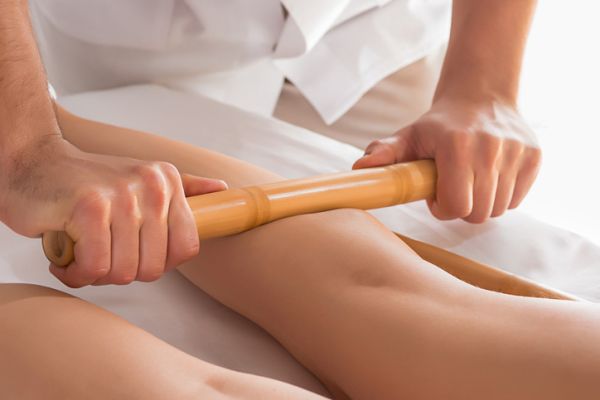
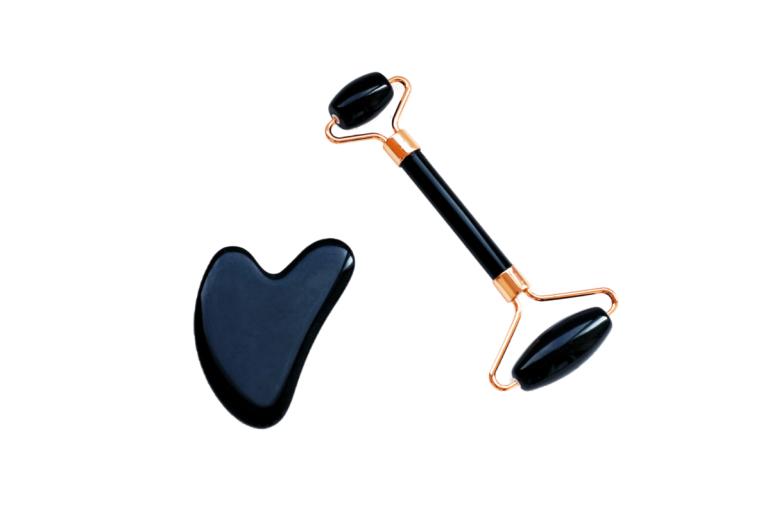
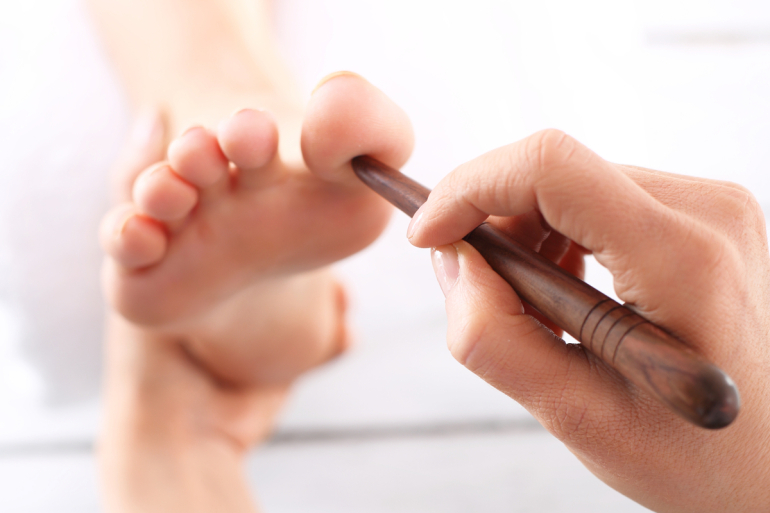
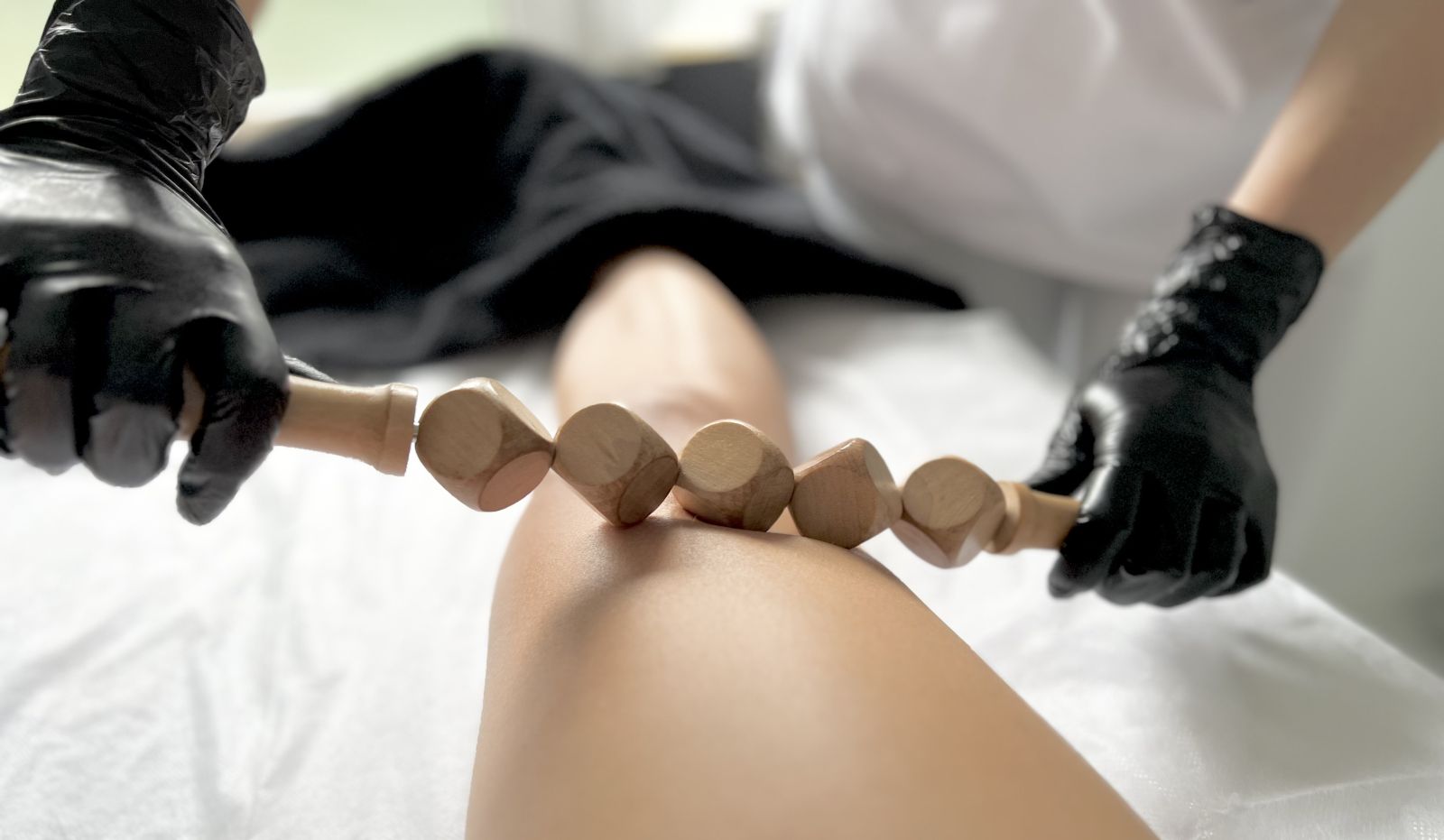
Wood therapy is based on intensive tissue stimulation performed with specialized wooden tools.
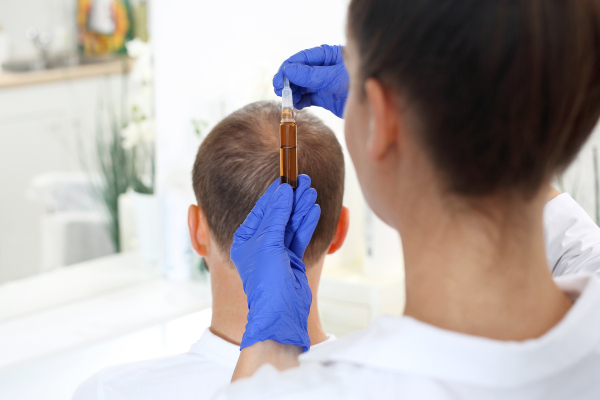
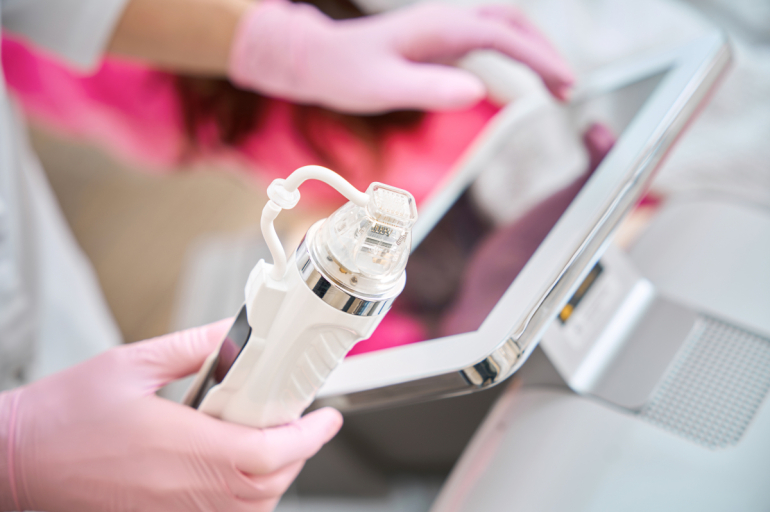
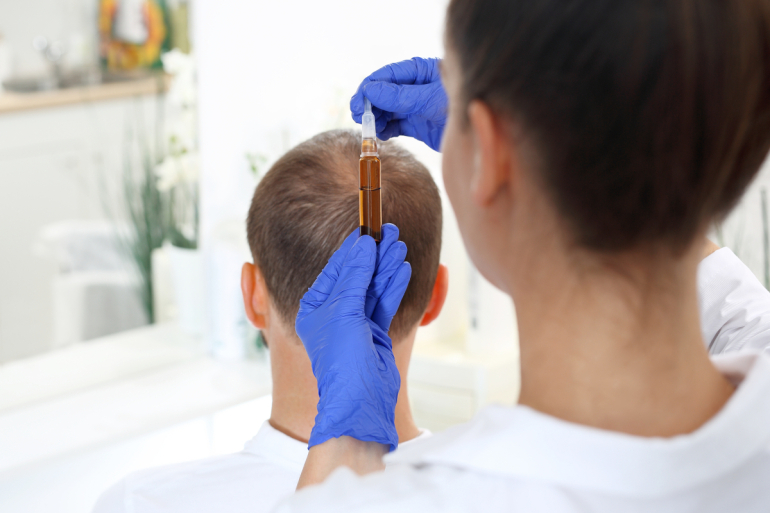
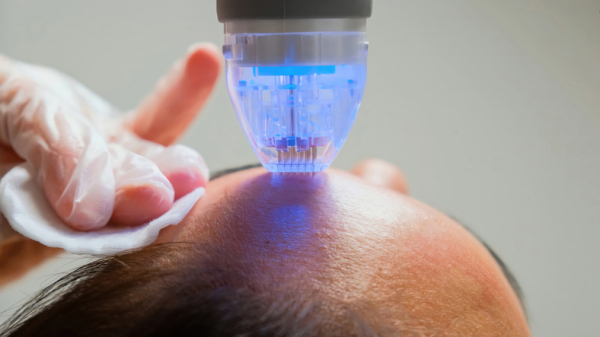
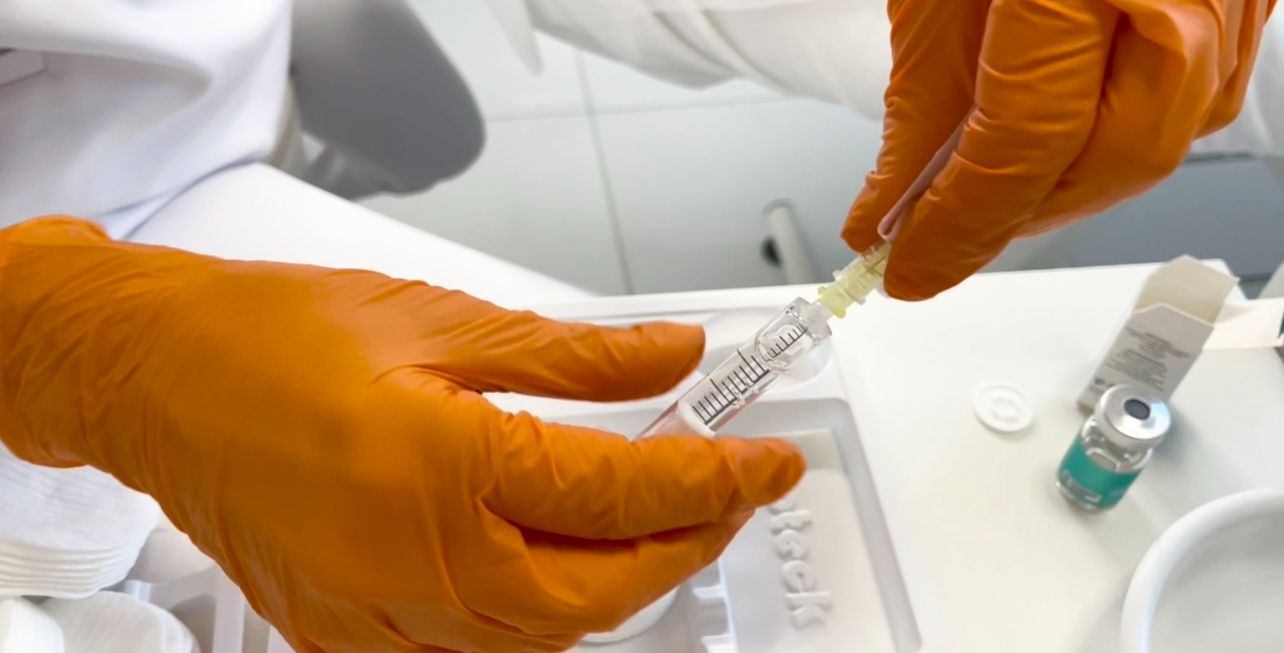
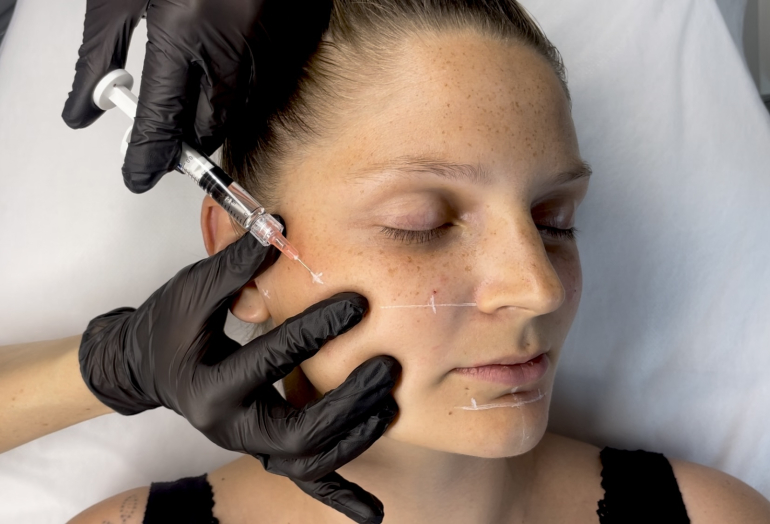
Mesotherapy involves injecting active ingredients into deeper layers of the skin for targeted skin rejuvenation.

Our training programs are regularly updated with new techniques, treatment protocols, instructional videos, and educational resources. Explore the latest updates to our online courses.

Start learning immediately after purchase — no waiting for scheduled dates.
Watch real treatment demonstrations step by step.
Learn through modern, interactive educational content.
Get treatment protocols and practical guidance for client work.
Get your certificate immediately after course completion.
Learn whenever it fits your schedule.
For over 20 years, Beauty Expert has been shaping beauty education, training thousands of students in cosmetology, massage therapy, and aesthetic treatments.
Today, Beauty Expert is one of the leading educational platforms for beauty professionals, offering specialized training programs. Our platform is used by learners from more than 100 countries worldwide.

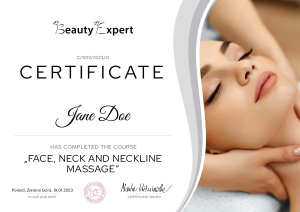
After completing an online beauty course and successfully passing the knowledge quiz, you'll receive a certificate recognized in the beauty industry, confirming the skills you've acquired. Your certificate is instantly available in your account and can be downloaded digitally.
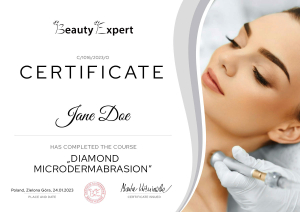
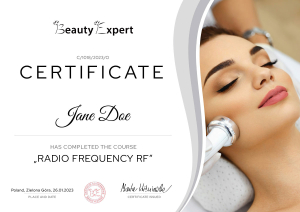
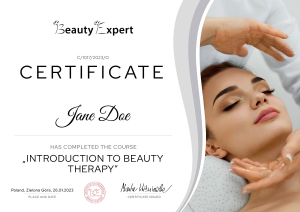

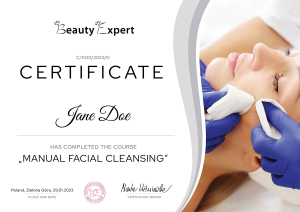
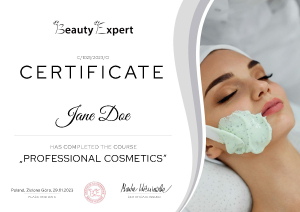
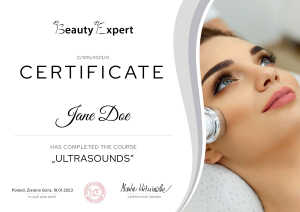
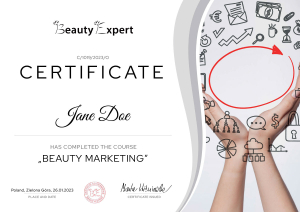
48 online lessons in the Beauty Expert online beauty school — from the fundamentals of cosmetology to advanced treatment techniques and client care. Step by step, you'll learn cosmetology, treatments, beauty devices, and massage techniques through a comprehensive educational program.
Complete the full program in one month, a few months, or spread your learning over the full year. Choose your own pace and lesson order.
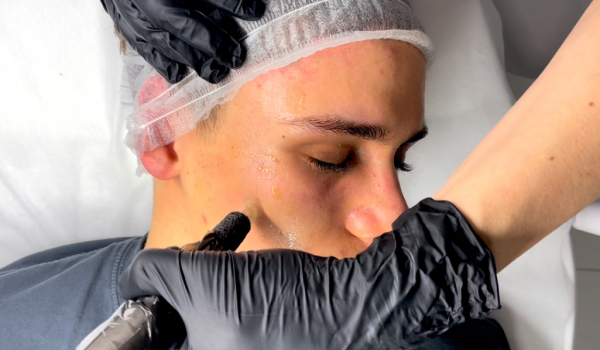
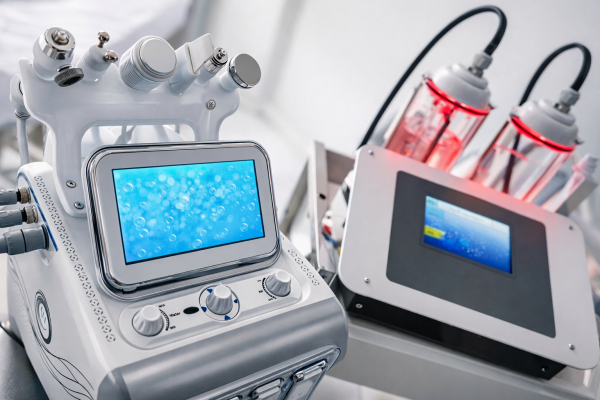
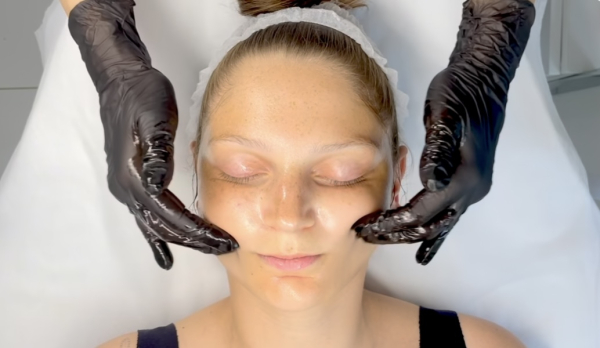
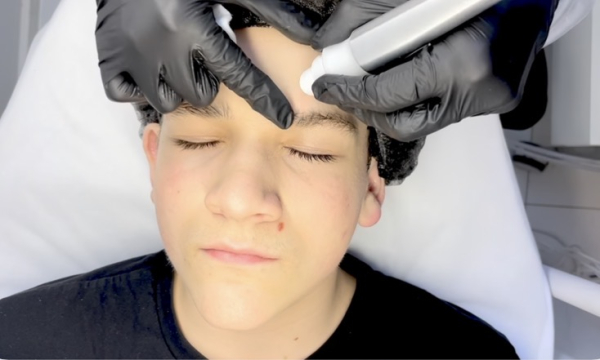
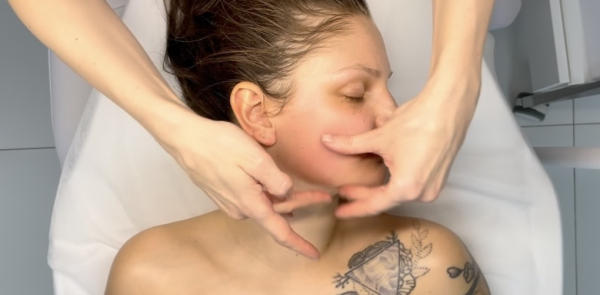






Access to your purchased course is granted automatically once your payment has been processed.
After logging into your account, simply go to “My Account” and then select “My Courses” to view all purchased courses and online lessons.
There is no need to wait for manual activation or contact support. All course materials are available through your student dashboard, allowing you to begin learning as soon as access has been granted.
Each online course and lesson is a comprehensive educational program available on the learning platform 24 hours a day, 7 days a week. The content is designed to guide participants step by step through the learning process, from theoretical foundations to practical application in a professional beauty setting.
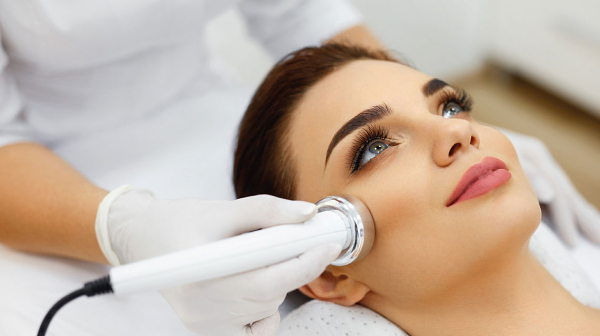
Depending on the course topic, participants receive access to video tutorials, photographs, graphics, treatment protocols, product and equipment recommendations, and additional educational resources that support learning and skill development.
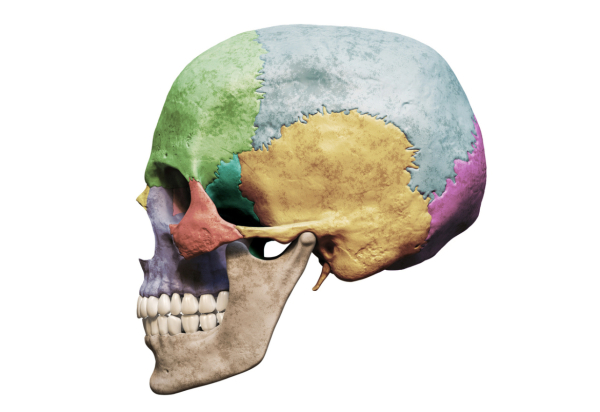
Course programs cover subjects such as anatomy, dermatology, hygiene and safety procedures, indications and contraindications, client consultation and assessment, workstation preparation, and treatment procedures explained step by step.
Many courses also include consultation forms, pre- and post-treatment recommendations, and practical tips that can be applied in everyday professional practice.
After completing a course or lesson, participants can take a knowledge quiz and download a certificate upon course completion.
For students enrolled in the one-year online beauty academy, the learning journey concludes with an online final examination. Upon successful completion, participants can download their diploma, certificate of completion, and curriculum outlining the lessons completed throughout the program.
No. The certificate does not include information indicating that the training was completed online.
The document confirms successful course completion and includes the course title and participant details, while the method of study is not specified on the certificate.
To download your certificate in a different language, log in to your account and open the course you have completed.
Below the course modules, click the pink “Download Certificate” button. This will take you to the section containing all of your available certificates.
Next to the selected certificate, click the black arrow to choose your preferred language, then click the green “Download” button. Your certificate will be generated in the selected language.
Are the courses suitable for beginners?
Yes. The courses are designed for both beginners and those who want to expand their knowledge and practical skills.
Each program guides you step by step through the subject matter, from foundational theory to the practical aspects of performing treatments. The course structure allows students to begin learning even without previous experience in the beauty industry.
Depending on the course topic, students learn not only the treatment procedure itself, but also anatomy, dermatology, indications, contraindications, safety guidelines, and professional salon procedures.