Microneedling – how it works and how it transforms your skin
How Does Microneedling Work and What Results Can You Expect?
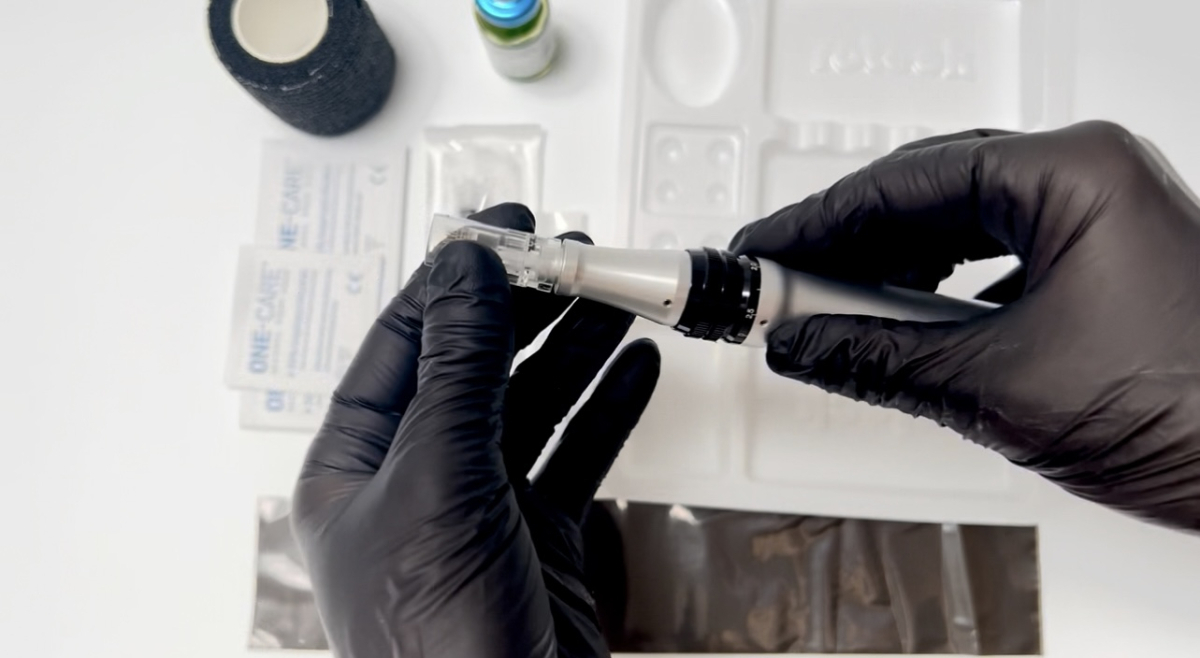
Microneedling is a cosmetic procedure that involves controlled micro-puncturing of the skin to stimulate its natural repair processes and improve overall skin quality.
This technique is also referred to as microneedling or skin fractional stimulation, because the procedure creates microscopic injuries that trigger biological regeneration processes.
During the treatment, fine needles create microchannels in the skin that serve two primary purposes:
activating the body’s natural repair mechanisms,
enhancing the penetration of active ingredients into deeper layers of the skin.
As a result, microneedling combines two mechanisms of action:
tissue micro-stimulation,
enhanced delivery of active ingredients.
The outcome is gradual skin remodeling, improved firmness, and increased cellular activity.
Where Can Microneedling Be Performed?
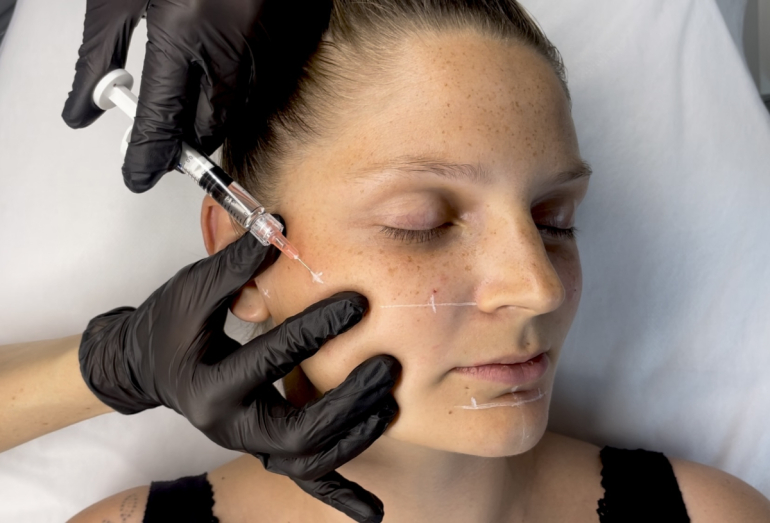
Microneedling can be performed on the face as well as selected areas of the body. Treatment parameters should always be adjusted according to skin thickness, sensitivity, and the specific aesthetic concern being treated.
On the face, microneedling is most commonly performed on:
the forehead,
the cheeks,
the chin,
the perioral area,
the nose,
the eye area.
In delicate areas such as the eye contour, shallower needle depths and a more controlled technique are typically used.
On the body, the procedure is most commonly performed on:
the neck and décolleté,
the abdomen,
the thighs,
the buttocks,
the arms,
the back.
In these areas, greater needle depth is usually required due to thicker skin.
What Are the Benefits of Microneedling?
Microneedling stimulates fibroblasts, the cells responsible for producing collagen and elastin. Activation of these cells gradually improves skin structure and increases skin density.
The most commonly observed benefits of microneedling include:
reduction in the appearance of enlarged pores
regulation of sebaceous gland activity
improved skin firmness and elasticity
softening of fine lines and wrinkles
more even skin tone
improved skin hydration
reduction of mild atrophic scars
support in the treatment of hyperpigmentation
improved microcirculation
brighter, revitalized skin appearance
These results are primarily associated with neocollagenesis, the formation of new collagen fibers within the dermis.
How Does Microneedling Stimulate Skin Regeneration?
The effectiveness of the treatment results from the combination of two factors:
the physical stimulus created by microneedling,
the action of active ingredients delivered into the skin.
The micro-punctures create controlled skin injuries that trigger the body's natural repair response. At the same time, the microchannels increase the bioavailability of active ingredients and facilitate their penetration into deeper layers of the skin.
The regeneration process can be divided into several stages.
Biological stage
What happens in the skin
Practical significance
Microneedling
Microchannels are created in the epidermis and dermis
Initiation of regeneration processes
Platelet activation
Release of growth factors
Acceleration of tissue repair
Inflammatory response
Physiological response to controlled micro-injury
Stimulation of tissue remodeling
Fibroblast stimulation
Production of new collagen and elastin fibers
Improved skin firmness
Angiogenesis
Formation of new blood vessels
Improved oxygenation and nutrient supply
Remodeling
Reorganization of the extracellular matrix
Long-term improvement in skin quality
What Happens After Microneedling?
Inflammatory phase – first 24 hours
Immediately after the procedure, a natural inflammatory response occurs. This may include:
redness,
a sensation of warmth,
mild swelling,
temporary skin sensitivity.
During this phase, immune cells become activated and growth factors are released to initiate the skin repair process.
Re-epithelialization – 2 to 8 days
During this phase, the epidermis begins to rebuild. Keratinocytes rapidly proliferate, gradually restoring the integrity of the skin barrier.
This stage is essential because it protects the skin from external factors and allows deeper regenerative processes to continue.
Proliferation – up to 4 weeks
This phase involves intensive regeneration within the dermis.
The following processes occur:
cell proliferation,
formation of new blood vessels,
increased fibroblast activity.
New type III collagen fibers begin to form, rebuilding the structural framework of the skin and preparing it for further remodeling.
Remodeling – several months
The final stage involves long-term restructuring of collagen and elastin fibers.
During this period:
type III collagen gradually converts into type I collagen,
collagen fibers reorganize,
skin elasticity and density improve.
Full results from microneedling typically become visible after approximately three months.
Which Growth Factors Are Activated During Microneedling?
The skin remodeling process is regulated by growth factors, proteins responsible for communication between cells and the control of regenerative processes.
The most important growth factors include:
PDGF – platelet-derived growth factor
TGF-β – transforming growth factor beta
EGF – epidermal growth factor
VEGF – vascular endothelial growth factor
IGF – insulin-like growth factor
bFGF – basic fibroblast growth factor
These factors stimulate cell division, promote angiogenesis, and support remodeling of the extracellular matrix.
How Does Microneedling Stimulate New Blood Vessel Formation?
Angiogenesis is the process of forming new blood vessels from an existing vascular network.
This process is primarily regulated by VEGF, which stimulates endothelial cells to proliferate and migrate. As a result, new capillaries form, improving oxygen and nutrient delivery to the skin.
Why Is Needle Depth So Important in Microneedling?
The effectiveness of microneedling depends largely on selecting the appropriate needle penetration depth.
Treatment parameters should always be adjusted according to:
skin thickness,
treatment area,
the specific skin concern being addressed.
The actual penetration depth may differ slightly from the device setting, which is why knowledge of skin anatomy and practical experience are essential for safe and effective treatment.
Microneedling FAQ
1. Is microneedling painful
The level of discomfort depends on the needle depth and the individual sensitivity of the skin. The procedure may cause mild discomfort, but it is generally well tolerated.
2. When will results be visible
The first improvements in skin tone and firmness are usually visible after several weeks. Full skin remodeling occurs gradually and may take approximately three months.
3. How many treatments are recommended
Most treatment plans include a series of sessions performed at specific intervals to achieve optimal skin stimulation and regeneration.
Key takeaways
Microneedling is a procedure that utilizes the skin’s natural regenerative capacity. Controlled micro-injuries initiate repair processes, activate fibroblasts, and stimulate the production of new collagen fibers.
As a result, the treatment can improve skin structure, firmness, and overall appearance while supporting the treatment of aesthetic concerns such as atrophic scars, enlarged pores, and uneven skin tone.
The effectiveness of microneedling depends not only on the device itself, but also on proper technique, appropriate treatment parameters, and correct skin assessment before the procedure.
In the microneedling course, we explain in detail the treatment technique, needle depth selection for different areas of the skin, treatment protocols, and the principles of performing the procedure safely.
We’ve been educating the beauty industry for 20 years.
For over 20 years, Beauty Expert has been shaping beauty education, training thousands of students in cosmetology, massage therapy, and aesthetic treatments.
Today, Beauty Expert is one of the leading educational platforms for beauty professionals, offering specialized training programs. Our platform is used by learners from more than 100 countries worldwide.
Create your own learning path in the beauty industry
Beauty Expert School combines cosmetology, massage, manual techniques, advanced beauty technologies, and client care in one comprehensive program. With full access, you receive all 48 lessons immediately, choose the order in which you complete them, and complete the program in one month, a few months, or over the course of a full year.
Beauty Expert Online does not support older browser versions that may not support all site functionalities. Please use the latest browser versions Google Chrome, Firefox, Microsoft Edge or others.