Kobido Facial Massage Online Course with Theory, Step-by-Step Video Training, Quiz, and Certificate.
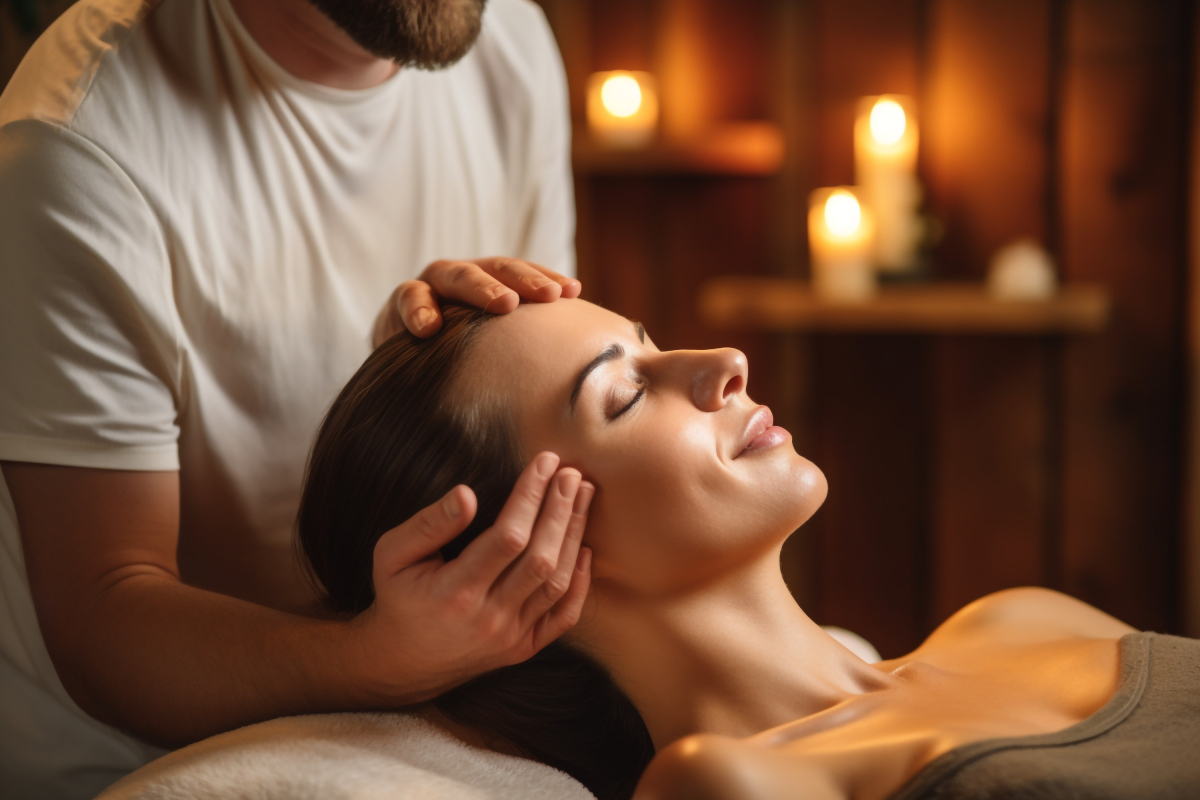
Kobido facial massage is an advanced manual facial therapy originating from centuries-old Japanese tradition, combining precise work on facial muscles, fascia, and superficial tissues to improve skin condition and harmonize facial features.
The massage is based on a strictly defined sequence of movements performed according to traditional technique, making it one of the most advanced forms of manual facial lifting.
During the treatment, relaxation, drainage, lifting, and mobilization techniques are used, along with elements of Shiatsu, which influence muscles, fascia, microcirculation, and the nervous system, supporting the skin’s natural regenerative processes.
The result is improved skin firmness and elasticity, facial contouring, reduced muscle tension, and deep relaxation of the entire organism, which is why Kobido is often referred to as a natural, non-surgical facial lifting method.
What You'll Learn – Theory
origins of Kobido massage and the philosophy of manual therapy
traditional master-to-student approach and the ritualistic nature of Kobido
assessment of facial contours, asymmetry, and structural tension
fundamentals of cosmetology skin assessment
step-by-step Kobido massage protocol
pace, rhythm, and pressure control during the massage
relaxation, lymphatic drainage, and lifting techniques used in Kobido massage
tissue mobilization and muscle release techniques
acupressure techniques and Shiatsu elements
treatment areas including the scalp, face, neck, and décolleté
working with superficial and deep tissue layers
manual techniques performed both dry and with a massage medium
skin, muscle, and fascial responses and adapting techniques throughout the treatment
facial anatomy and the structure and functions of the skin
indications and contraindications for Kobido massage
most common skin conditions and lesions
recommended treatment frequency and therapeutic treatment plans
hygiene, safety, and aseptic protocols during manual treatments
therapist ergonomics and protecting the hands and wrists
creating client comfort and the ideal treatment environment
combining Kobido massage with other professional cosmetology treatments
post-treatment recommendations and home skincare guidelines
What You'll Learn – Practice
preparing the treatment room and workstation for professional massage sessions
organizing the massage workflow in a professional practice
preparing the client for the Kobido massage
selecting appropriate massage products and materials for the Kobido massage
performing the Kobido massage step by step following the professional massage protocol
What You'll Receive
instant access to the course immediately after purchase
interactive theoretical learning materials
step-by-step training videos for practical learning
regular training material updates
access on desktop, smartphone, and tablet
preparation to perform the treatment independently in a professional setting
12 months of 24/7 access with the option to extend
Quiz & Certificate
knowledge assessment quiz available after completing the course
certificate automatically generated upon successfully passing the quiz
certificate available for download from your user dashboard at any time
You will receive access to the course immediately after purchase. You will find it in your user panel, in the "My Account" section under the "My Courses" tab.
The price includes full access to the course with no additional costs.
The Kobido Facial Massage Online Course combines comprehensive theoretical training with step-by-step practical training.
The program covers facial anatomy, skin physiology, the biomechanics of the facial muscles, and the principles of Kobido facial massage, explaining its effects on muscle tension, microcirculation, lymphatic drainage, tissue mobility, and facial contours.
The training explains the complete structure of a Kobido treatment, including dry techniques, the relaxation phase, deep tissue techniques, lymphatic drainage, lifting techniques, and final acupressure stimulation. It presents 80 manual techniques, their sequence, hand movements, treatment directions, and smooth transitions between each stage of the therapy.
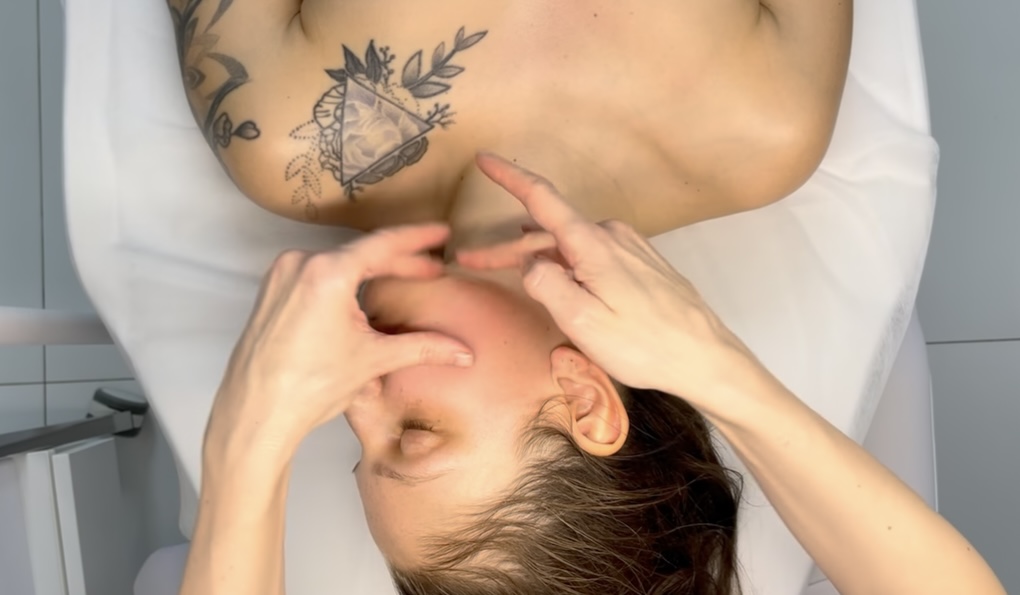
The program covers treatments performed on the scalp, face, neck, upper shoulders, and décolleté using both dry techniques and a glide medium. It also explains client assessment, indications, contraindications, workstation organization, treatment planning, and how to combine Kobido with chemical peels, facial masks, face taping, LED light therapy, cosmetic acupuncture, and other complementary cosmetic treatments.
The practical section demonstrates a complete Kobido facial massage step by step, including workstation and client preparation, the full treatment sequence, and the principles of rhythm, ergonomics, and professional safety.
The training is designed for both beginners entering the beauty industry and experienced professionals who want to expand their services with a professional lifting facial massage.
Want to Learn More?
Check the latest course updates and educational materials available in the Beauty Expert Learning Hub.
We’ve been educating the beauty industry for 20 years.
For over 20 years, Beauty Expert has been shaping beauty education, training thousands of students in cosmetology, massage therapy, and aesthetic treatments.
Today, Beauty Expert is one of the leading educational platforms for beauty professionals, offering specialized training programs. Our platform is used by learners from more than 100 countries worldwide.
Beauty Expert Online does not support older browser versions that may not support all site functionalities. Please use the latest browser versions Google Chrome, Firefox, Microsoft Edge or others.