Hydradermabrasion vs. hydrogen facial – what's the difference?
Hydradermabrasion vs. Hydrogen Facial: What's the Difference?
Hydradermabrasion and hydrogen facial treatments are among the most commonly performed professional skin cleansing procedures in esthetic practices today. Both treatments are non-invasive and require no downtime. In many cases, they can be performed year-round, although when performing hydradermabrasion, the formulation of the treatment solutions should always be taken into consideration. In clinical practice, both procedures often utilize similar devices and are frequently incorporated into comprehensive combination treatment protocols.
For this reason, many people use the terms "hydradermabrasion" and "hydrogen facial" interchangeably, assuming they refer to the same treatment. In reality, however, these are two different technologies with distinct mechanisms of action, therapeutic goals, and biological effects on the skin.
The biggest difference is not the appearance of the device or the treatment itself, but what happens within the skin. Hydradermabrasion primarily focuses on controlled cleansing and superficial exfoliation using specialized treatment solutions, whereas a hydrogen facial utilizes active molecular hydrogen to help reduce oxidative stress while preparing the skin for subsequent treatment procedures.
Although both treatments improve skin appearance, smooth skin texture, and remove impurities, they achieve these results through entirely different biological mechanisms. Understanding these differences allows estheticians to select the most appropriate procedure while creating more effective, personalized treatment plans.
What Is Hydradermabrasion?
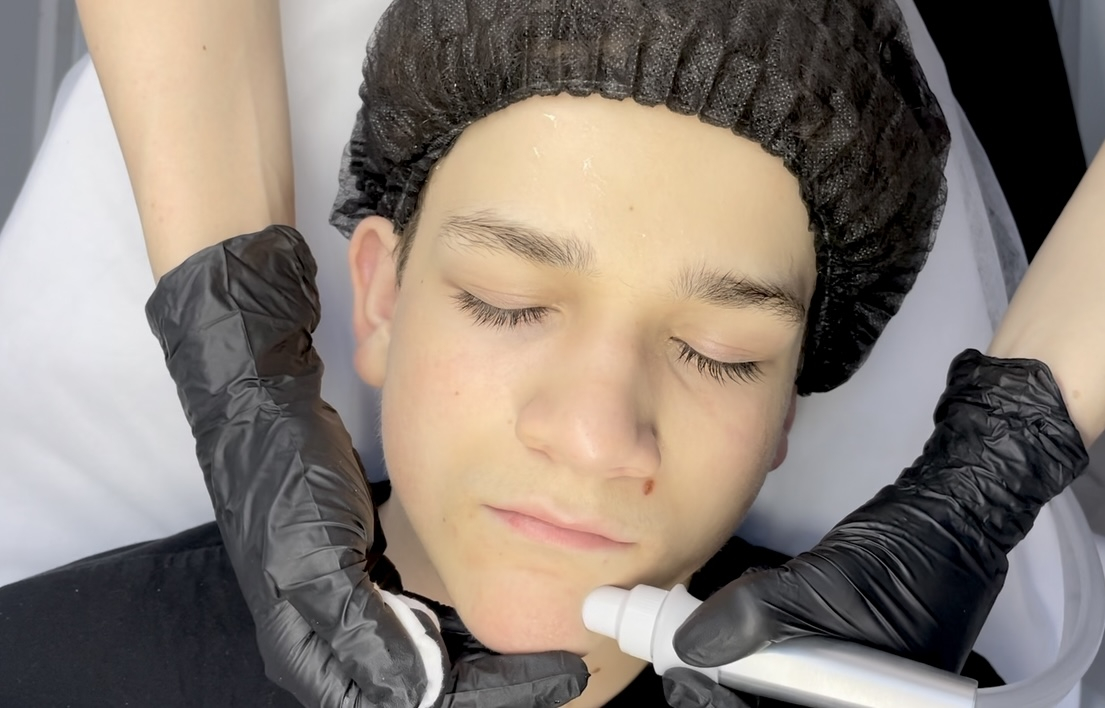
Hydradermabrasion is a modern water-assisted variation of microdermabrasion that cleanses the skin through a controlled flow of treatment solution combined with vacuum suction. During the procedure, impurities, excess sebum, and dead cells from the stratum corneum are simultaneously removed while the skin is infused with carefully selected active ingredients.
Three processes occur simultaneously during the procedure:
surface skin cleansing,
controlled superficial exfoliation of the stratum corneum,
skin hydration and conditioning using customized treatment solutions.
This combination of gentle mechanical action and specialized treatment solutions is what distinguishes hydradermabrasion from simple water-based cleansing.
How Does Hydradermabrasion Work?
The effectiveness of hydradermabrasion depends on several components working together. The treatment solution alone does not determine the clinical outcome. Vacuum pressure, the selected treatment tip, and the formulation of the treatment solution all play essential roles.
During the procedure, the following effects occur:
removal of dead corneocytes,
cleansing of follicular openings,
reduction of excess sebum,
gentle exfoliation of the stratum corneum,
preparation of the skin for subsequent treatments.
The treatment solutions themselves are particularly important. Depending on their formulation, hydradermabrasion can provide exfoliating, hydrating, regenerating, or sebum-regulating benefits. The esthetic professional selects the most appropriate solution based on the client's skin type and treatment goals.
In other words, hydradermabrasion is a highly versatile procedure whose results depend on both the device settings and the proper selection of active ingredients.
What Is a Hydrogen Facial?
A hydrogen facial is also considered a modern skin cleansing treatment, but its primary mechanism of action is entirely different.
This technology is based on the use of molecular hydrogen (H₂), which is generated inside the device through the electrolysis of water. Due to its extremely small molecular size, hydrogen can easily penetrate the stratum corneum and help neutralize the most reactive free radicals responsible for oxidative stress.
In practice, this means that a hydrogen facial does much more than simply cleanse the skin's surface.
At the same time, the treatment helps:
reduce oxidative stress,
support a healthier skin environment,
prepare the skin for subsequent treatments,
improve the skin's tolerance to more advanced treatment procedures.
For this reason, hydrogen facial treatments are frequently used as the first step in comprehensive esthetic protocols before procedures such as chemical peels, needle-free mesotherapy, or hydradermabrasion.
How Does a Hydrogen Facial Work?
During the procedure, hydrogen-enriched water is delivered to the skin while the device simultaneously applies vacuum suction to remove excess sebum, dead skin cells, and surface impurities.
However, the most important element of the treatment is the biological activity of molecular hydrogen itself.
Unlike many conventional antioxidants, molecular hydrogen selectively neutralizes the most reactive free radicals without interfering with the skin's normal physiological processes. As a result, it helps reduce oxidative stress, which is recognized as one of the major contributors to premature skin aging and impaired skin barrier function.
This unique mechanism is what makes a hydrogen facial more than just another cleansing treatment. It is a procedure that combines effective skin cleansing with antioxidant support for healthier skin.
What Is the Difference Between Hydradermabrasion and a Hydrogen Facial?
Although both procedures are classified as modern skin cleansing treatments, their primary therapeutic goals are different. Understanding this distinction allows estheticians to develop more effective treatment plans while selecting the most appropriate procedure for each client's skin.
Hydradermabrasion primarily focuses on controlled cleansing, superficial exfoliation, and preparing the stratum corneum for subsequent skincare procedures. A hydrogen facial, on the other hand, not only removes impurities but also supports the skin's biological environment by helping reduce oxidative stress.
Simply put, hydradermabrasion primarily targets the outermost layer of the skin, while a hydrogen facial combines cleansing with antioxidant activity that supports healthy skin function.
How Do Hydradermabrasion and Hydrogen Facial Treatments Work?
The most significant difference between these two technologies lies in how they work.
Hydrodermabrasion relies primarily on:
controlled solution flow,
vacuum suction,
specially designed treatment tips,
treatment solutions containing active ingredients.
The clinical outcome results from the combined mechanical action of the device and the biological activity of the selected treatment solutions. This allows the skin to be cleansed, gently exfoliated, and hydrated during a single procedure.
In contrast, the defining feature of a hydrogen facial is the use of active molecular hydrogen.
In addition to cleansing the skin, molecular hydrogen helps neutralize the most reactive free radicals associated with oxidative stress. This is why hydrogen facial treatments are commonly used as the first step in comprehensive professional treatment protocols.
Feature
Hydradermabrasion
Hydrogen Facial
Primary purpose
Skin cleansing and superficial exfoliation
Skin cleansing and reduction of oxidative stress
Mechanism of action
Treatment solutions, vacuum suction, and mechanical action
Active molecular hydrogen combined with vacuum-assisted skin cleansing
Antioxidant activity
Not the primary mechanism
Yes
Treatment solutions
One of the key components of the procedure
Not responsible for the primary therapeutic effect
Effect on the stratum corneum
Controlled superficial exfoliation
Gentle cleansing with minimal exfoliation
Customization
Based on treatment solutions, tips, and device settings
Based on device settings and treatment protocol
Primary clinical role
Skin cleansing and preparation
Foundational antioxidant and cleansing treatment
Although both treatments utilize water and vacuum technology, their biological mechanisms are fundamentally different. For this reason, they should not be considered interchangeable procedures.
Who Should Choose Hydradermabrasion?
Hydradermabrasion is an excellent option when the primary treatment goal is thorough skin cleansing and improving the skin's surface texture.
It is commonly recommended for clients with:
enlarged pores,
blackheads and clogged pores,
excess sebum production,
uneven skin texture,
dull, tired-looking skin,
surface skin impurities.
One of hydradermabrasion's greatest advantages is its high level of customization. Depending on the client's skin condition and treatment goals, the esthetic professional can select exfoliating, hydrating, regenerating, or sebum-regulating treatment solutions. As a result, the same technology can be adapted to address a wide range of skin concerns.
However, this does not mean hydradermabrasion is biologically neutral. The intensity of exfoliation depends on the selected device settings, treatment tip, and active treatment solutions. Overly aggressive protocols may temporarily compromise the skin barrier, which is why every treatment should begin with a professional skin assessment.
Who Should Choose a Hydrogen Facial?
A hydrogen facial is particularly beneficial when the treatment goal extends beyond cleansing and includes improving overall skin comfort while helping reduce oxidative stress.
This treatment is especially suitable for clients with:
skin exposed to pollution and UV radiation,
visible signs of skin fatigue,
uneven skin tone,
sensitive or reactive skin,
mature skin,
problematic skin requiring gentle preparation before more advanced procedures.
Thanks to its excellent skin tolerance, a hydrogen facial is frequently used as a preparatory treatment before chemical peels, needle-free mesotherapy, LED therapy, or hydrodermabrasion. It effectively cleanses the skin while helping improve its readiness for subsequent professional treatments.
Can You Combine Hydradermabrasion and a Hydrogen Facial?
Absolutely—and this is one of the most overlooked aspects of modern esthetic treatments.
Hydradermabrasion and hydrogen facial treatments are not competing procedures. On the contrary, they are often combined within the same professional treatment protocol.
A typical sequence may include:
→ skin cleansing → preparation of the stratum corneum → targeted esthetic treatment → skin recovery and calming
Depending on the client's skin condition and treatment goals, a hydrogen facial may be performed before hydradermabrasion—or vice versa. The correct sequence is determined by a professional skin assessment and the overall treatment protocol. There is no universal order suitable for every client.
Both procedures also integrate exceptionally well with other esthetic technologies, including chemical peels, sonophoresis, oxygen infusion therapy, and LED light therapy.
Common Myths About Hydradermabrasion and Hydrogen Facials
Both treatments are among the most frequently performed skin cleansing procedures in professional esthetic practices. At the same time, they are also among the most misunderstood. This confusion largely stems from the similar appearance of the devices, comparable treatment flow, and the fact that both technologies are commonly incorporated into multi-step esthetic protocols.
It is important to remember that the appearance or brand of a device does not define how a treatment works. The final outcome depends on the underlying technology, the treatment solutions used, and a properly designed treatment protocol.
Myth 1. Hydradermabrasion and Hydrogen Facials Are the Same Treatment
This is by far the most common misconception.
Although both procedures use water and vacuum technology, their mechanisms of action are fundamentally different.
Hydradermabrasion primarily relies on controlled cleansing and superficial exfoliation of the stratum corneum using specialized treatment solutions.
A hydrogen facial, on the other hand, utilizes molecular hydrogen to help reduce oxidative stress by selectively neutralizing the most reactive free radicals. This biological mechanism is the key distinction between the two technologies.
Myth 2. A Hydrogen Facial Works Only Because of Water
This is also incorrect.
Water alone is not responsible for the treatment's unique effects. The key factor is active molecular hydrogen generated through the electrolysis process. Due to its unique properties, molecular hydrogen can selectively neutralize the most reactive oxygen species associated with oxidative stress.
For this reason, a hydrogen facial is much more than a skin cleansing procedure—it combines cleansing with antioxidant support for healthier skin.
Myth 3. Hydradermabrasion Always Produces the Same Results
Hydradermabrasion is a highly customizable treatment whose intensity can be precisely adjusted.
The final outcome depends on several factors, including:
the type of treatment tip used,
vacuum pressure,
the formulation of the treatment solutions,
the number of treatment passes,
the amount of time spent on each treatment area.
As a result, hydradermabrasion can be performed as either a gentle skin-refreshing procedure or a more intensive cleansing treatment, depending on the client's individual needs.
Myth 4. One Treatment Is Better Than the Other
This is one of the most frequently asked questions by both clients and skincare professionals.
In reality, there is no universal answer.
It is impossible to say that hydradermabrasion is better than a hydrogen facial—or vice versa. These technologies are designed for different therapeutic purposes and often complement each other rather than compete.
The choice of treatment should always be based on:
the client's skin type,
the current condition of the skin,
the specific skin concern being treated,
the desired treatment outcome,
the sequence of procedures within the treatment protocol.
Proper skin assessment is one of the most important factors determining the success of any esthetic treatment.
Are Hydradermabrasion and Hydrogen Facials Safe?
Both procedures are considered non-invasive and offer a high level of safety when performed after proper client assessment.
However, this does not mean they should be performed without evaluating the skin first.
Before beginning treatment, the esthetic professional should assess:
the condition of the skin barrier,
the presence of inflammatory skin conditions,
skin sensitivity and reactivity,
the client's home skincare routine,
general and local contraindications.
Only after a thorough consultation and skin analysis can the appropriate treatment and treatment parameters be selected.
Hydradermabrasion vs. Hydrogen Facial FAQ
Can Hydradermabrasion Replace a Hydrogen Facial?
No. These are two different technologies. Although both cleanse the skin, they work through different biological mechanisms and often serve different roles within a professional treatment plan.
Does a Hydrogen Facial Exfoliate the Skin?
Exfoliation is not the primary purpose of a hydrogen facial. Its main functions are cleansing the skin and helping reduce oxidative stress. While the combination of water flow and vacuum suction removes surface impurities, it should not be considered a traditional exfoliating treatment.
Can Hydradermabrasion Be Performed on Sensitive Skin?
Yes. When the treatment parameters and solutions are properly selected, hydrodermabrasion can be safely performed on sensitive skin. The intensity of the procedure should always be tailored to the client's current skin condition.
Can Both Treatments Be Performed Year-Round?
Hydrogen facial treatments can generally be performed throughout the year when the client has been properly assessed. In the case of hydradermabrasion, year-round treatment depends largely on the formulation of the treatment solutions. If photosensitizing ingredients, such as certain acids, are used, the esthetic professional may recommend modifying the treatment protocol or selecting alternative solutions. Any seasonal limitations therefore result from the products used—not from the hydradermabrasion technology itself.
Which Treatment Is Better for Blackheads?
Hydradermabrasion is highly effective at removing excess sebum and cleansing follicular openings. A hydrogen facial also cleanses the skin while providing antioxidant support by helping reduce oxidative stress. For oily, seborrheic, and blackhead-prone skin, hydrogen facial treatments work particularly well when combined with salicylic acid, which penetrates oil-filled follicles and supports both pore cleansing and sebum regulation. In professional practice, both treatments are often incorporated into comprehensive treatment protocols for congested skin.
Can Hydradermabrasion and a Hydrogen Facial Be Performed During the Same Appointment?
Yes. In modern esthetic practice, both procedures are often included within the same treatment protocol. The treatment sequence is determined by the esthetic professional after evaluating the client's skin. Combining both technologies allows their different mechanisms of action to complement one another and maximize treatment outcomes.
Can a Hydrogen Facial Replace Manual Extraction?
No. These procedures serve different purposes. A hydrogen facial helps remove impurities, excess sebum, and supports the reduction of oxidative stress, while manual extraction involves physically removing blackheads, clogged pores, and milia. In many cases, both treatments complement each other within a professional skincare plan.
When Should a Hydrogen Facial Be Combined with Manual Extraction?
Combining both procedures is especially beneficial for clients with numerous blackheads and congested skin. A hydrogen facial prepares the skin for treatment, while manual extraction removes lesions that cannot be eliminated with device-based procedures alone.
Is Manual Extraction Always Necessary After a Hydrogen Facial?
No. The decision depends on the client's skin condition and treatment goals. For some clients, a hydrogen facial alone is sufficient. When numerous blackheads or milia are present, however, the esthetic professional may recommend adding manual extraction to the treatment protocol.
Can a Hydrogen Facial Help Reduce Blackheads?
Yes. A hydrogen facial helps remove excess sebum, surface impurities, and debris from follicular openings. This may reduce the formation of new blackheads, although it does not always eliminate the need for manual extraction.
Key Takeaways
Hydradermabrasion and hydrogen facial treatments are among the most advanced skin cleansing procedures used in modern esthetics. Although they may appear similar at first glance, their mechanisms of action and primary therapeutic goals are fundamentally different.
Hydradermabrasion focuses primarily on controlled cleansing, superficial exfoliation, and the use of carefully selected treatment solutions to prepare the skin for subsequent skincare procedures.
A hydrogen facial, in addition to removing impurities, utilizes the unique properties of active molecular hydrogen to help reduce oxidative stress and support a healthier biological environment within the skin.
For this reason, these treatments should not be viewed as competing technologies. In a well-designed treatment protocol, they frequently complement one another, allowing esthetic professionals to achieve more predictable and effective clinical outcomes.
Ultimately, the most important factor is not choosing one technology over another, but performing an accurate skin assessment and developing an individualized treatment plan tailored to the client's needs.
Want to Learn Professional Hydradermabrasion and Hydrogen Facial Treatments?
Performing modern skin cleansing treatments professionally requires much more than learning how to operate a device. It also requires a thorough understanding of skin physiology, the mechanisms behind different technologies, and the principles of treatment planning.
If you'd like to master hydradermabrasion, hydrogen facial treatments, and many other advanced esthetic procedures step by step, explore the Beauty Expert Online Beauty School program. The program combines in-depth theoretical education with practical treatment protocols used in everyday professional practice.
We’ve been educating the beauty industry for 20 years.
For over 20 years, Beauty Expert has been shaping beauty education, training thousands of students in cosmetology, massage therapy, and aesthetic treatments.
Today, Beauty Expert is one of the leading educational platforms for beauty professionals, offering specialized training programs. Our platform is used by learners from more than 100 countries worldwide.
Create your own learning path in the beauty industry
Beauty Expert School combines cosmetology, massage, manual techniques, advanced beauty technologies, and client care in one comprehensive program. With full access, you receive all 48 lessons immediately, choose the order in which you complete them, and complete the program in one month, a few months, or over the course of a full year.
Beauty Expert Online does not support older browser versions that may not support all site functionalities. Please use the latest browser versions Google Chrome, Firefox, Microsoft Edge or others.