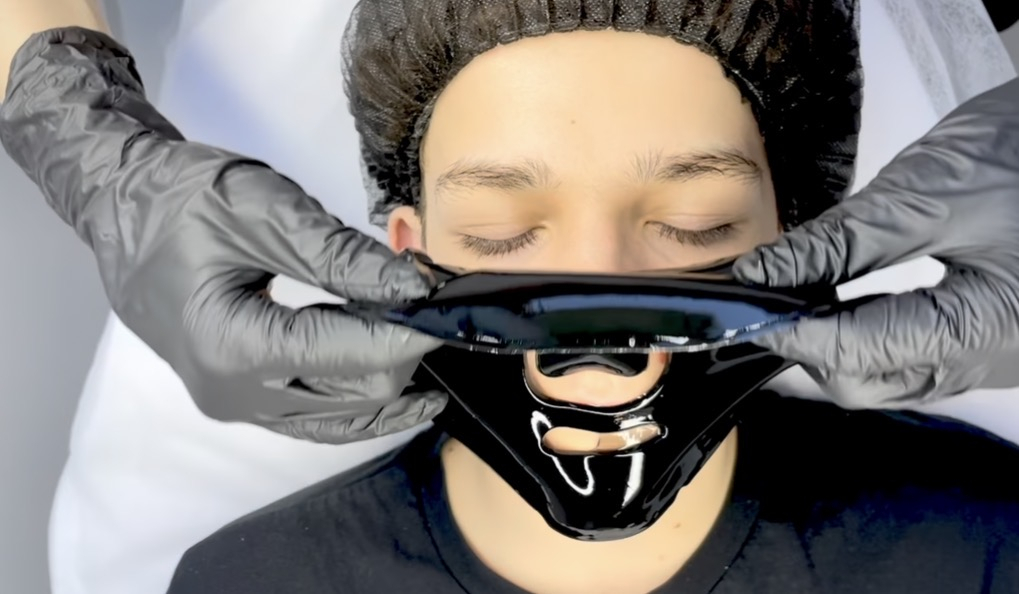
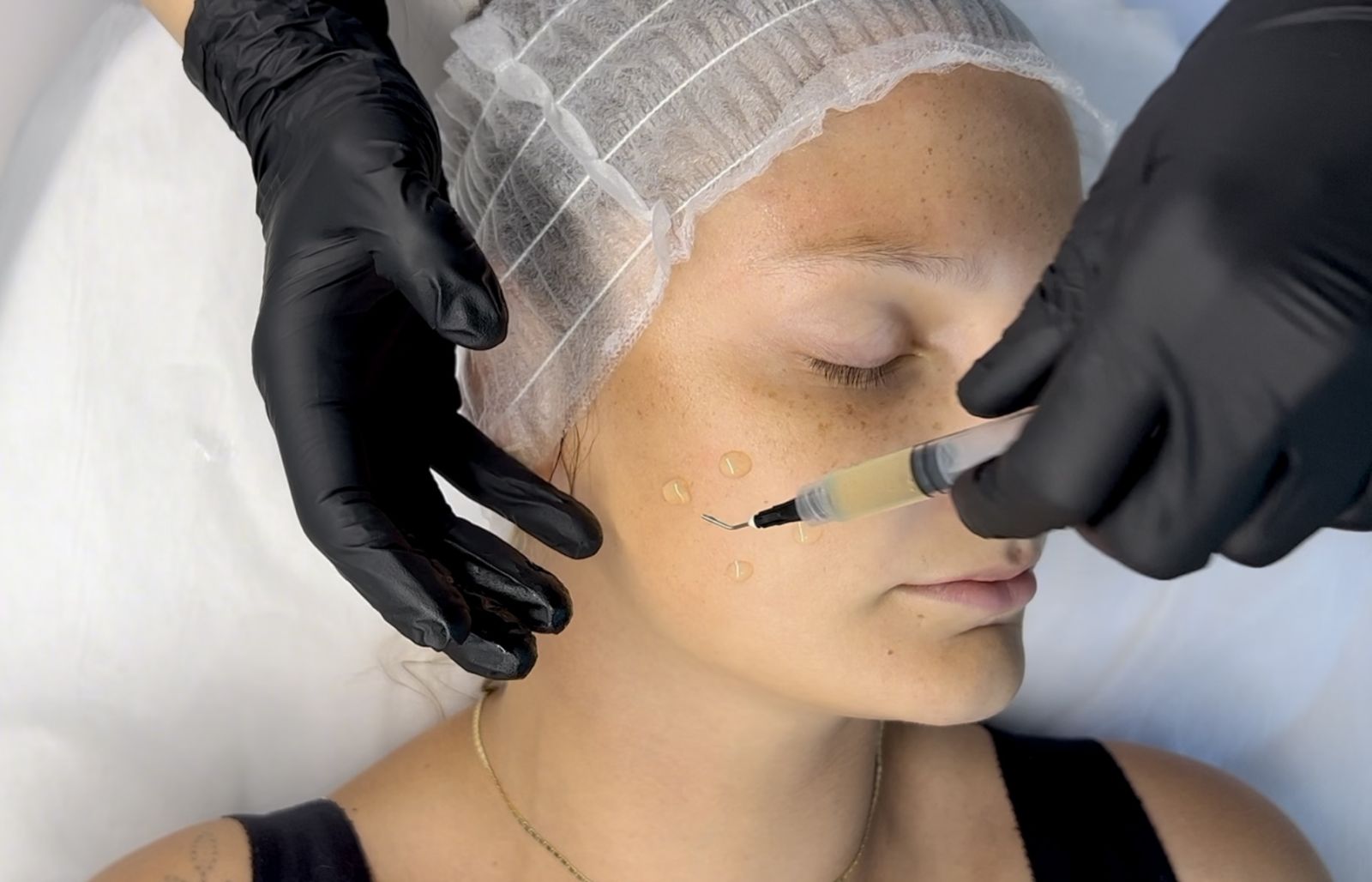
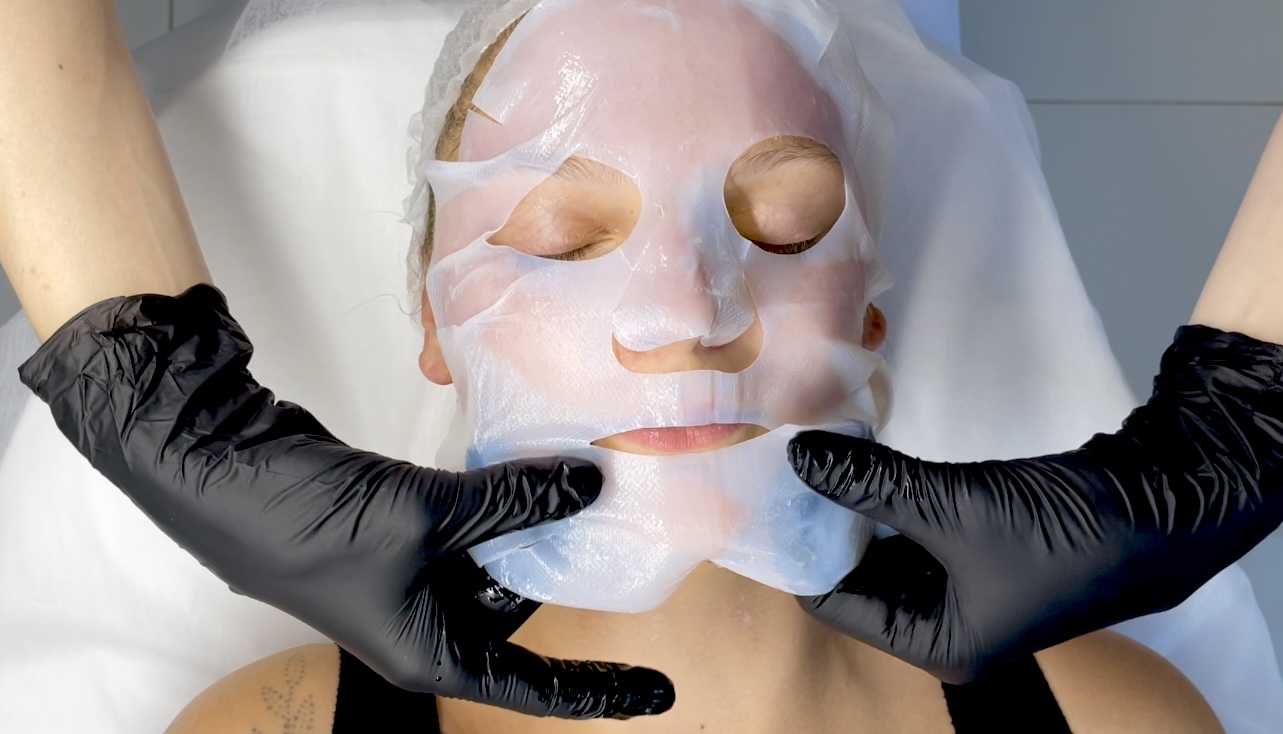
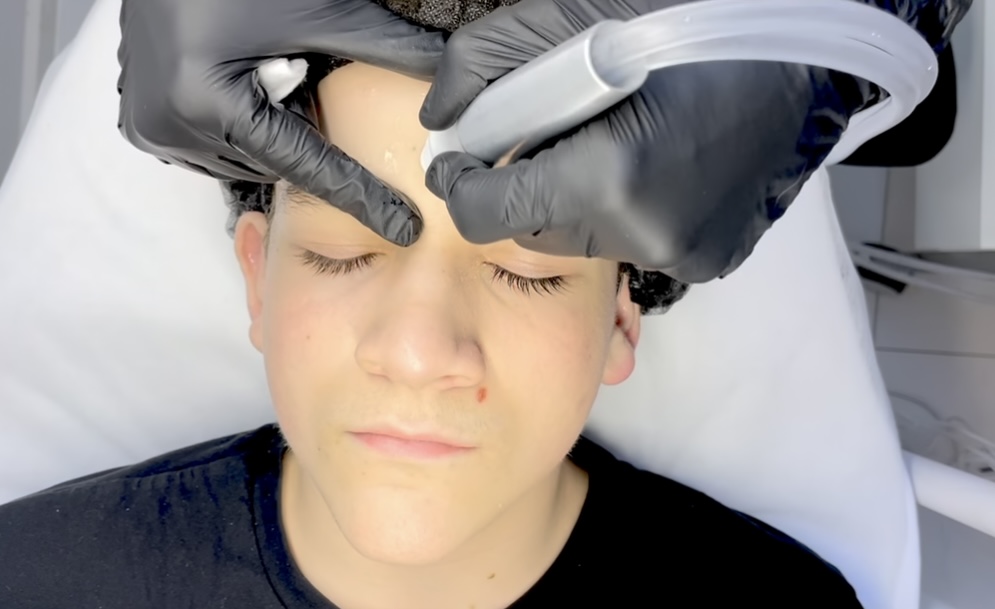
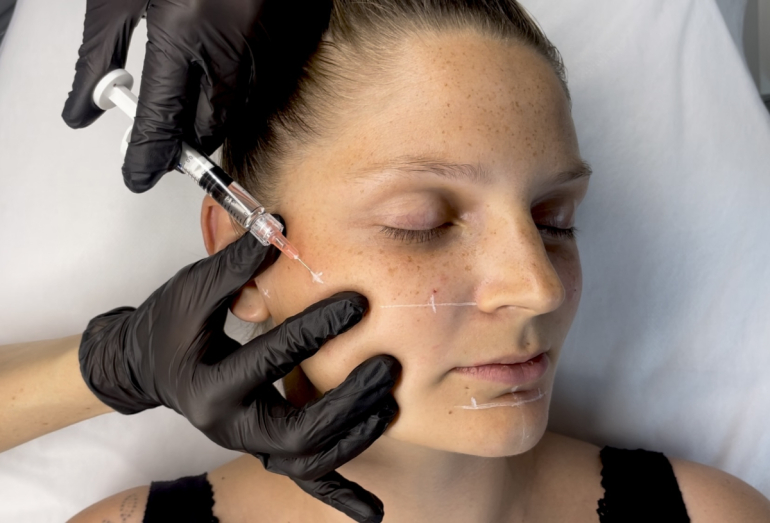
Just a few years ago, the term Glass Skin was associated primarily with Korean skincare.
Today, it has become one of the most searched beauty trends worldwide. More and more people are wondering how to achieve naturally radiant, smooth, luminous skin—and whether it's possible to achieve this look without makeup.
In reality, Glass Skin is not the name of a specific cosmetic treatment or skincare product. It refers to the appearance of skin that reflects light evenly due to its optimal condition, creating the impression of exceptionally healthy, fresh, and well-rested skin.
Contrary to what is often portrayed on social media, the Glass Skin effect is not achieved with a single serum or a multi-step skincare routine alone. It is the result of multiple biological processes occurring simultaneously within both the epidermis and the dermis.
Among the most important factors are adequate hydration, an intact skin barrier, a healthy rate of epidermal cell turnover, high-quality collagen fibers, an even skin tone, and proper protection against ultraviolet (UV) radiation.
The appearance of the skin is also influenced by everyday habits. A consistent skincare routine, well-selected active ingredients, a healthy lifestyle, and properly planned professional skin treatments complement one another and support the body's natural regenerative processes.
In this article, you'll learn about the biological foundations of the Glass Skin effect, discover the mechanisms responsible for the skin's natural radiance, explore which active ingredients and professional cosmetic treatments can help improve skin quality, and understand the most common mistakes that make it difficult to achieve healthy, glowing skin.
What Is Glass Skin? Key Facts You Should Know
If you want a quick overview of what Glass Skin really is and what creates a healthy, radiant complexion, here are the key facts:
Glass Skin is not a treatment or a skincare product – it describes healthy, well-functioning skin with a naturally smooth, luminous appearance.
The key factors behind the look include a strong skin barrier, proper hydration, regular skin renewal, and daily UV protection.
At-home skincare and professional treatments work best together – combining a consistent skincare routine with properly selected aesthetic treatments delivers the best results.
Your lifestyle matters too – quality sleep, a balanced diet, regular physical activity, and managing chronic stress all support your skin's natural renewal processes.
Glass Skin is a journey, not an overnight result – achieving healthier, more radiant skin requires consistency and a personalized skincare plan.
What Is Glass Skin?
The term Glass Skin refers to skin that resembles smooth, clear glass. However, it does not mean an artificial shine or excessively oily skin. Instead, it describes skin that appears healthy, evenly hydrated, smooth in texture, even in tone, and naturally reflective of light.
This distinction is extremely important because many people confuse Glass Skin with shiny or greasy skin. Excess sebum production, facial shine, or oily skin are not indicators of healthy skin. On the contrary, they may signal an impaired skin barrier or an improperly designed skincare routine.
The Glass Skin effect is, above all, a visible sign of healthy skin rather than a temporary cosmetic result.
It is most commonly characterized by:
a smooth skin surface,
optimal hydration,
an even skin tone,
firmness and elasticity,
a healthy, natural glow,
minimal signs of dryness,
less visible skin texture irregularities.
In practice, this means that Glass Skin is not the goal itself. It is the visible outcome of properly functioning biological mechanisms responsible for maintaining healthy skin.
Why Does Healthy Skin Look Glowing?
This is one of the most frequently asked questions—and one of the most fascinating aspects of cosmetic science.
Light reflects off the skin just as it does from any other surface. The smoother and more uniform that surface is, the more evenly it reflects light. That is why healthy skin appears naturally more radiant, even without the use of illuminating makeup products.
When the surface of the epidermis is rough, dehydrated, or covered with microscopic irregularities, light is scattered in multiple directions. As a result, the skin appears dull, tired, and lacking radiance.
The table below presents the key factors that influence how light reflects from the skin and explains their role in achieving the Glass Skin effect.
Factor
Impact on Skin Appearance
Adequate hydration
Improves the smoothness of the epidermal surface and enhances the skin's natural radiance.
Regular epidermal cell turnover
Reduces the accumulation of dead skin cells.
An intact skin barrier
Helps prevent excessive water loss and supports healthy skin structure.
Even skin tone
Allows light to reflect more uniformly.
Well-organized collagen fibers
Improve skin firmness and elasticity.
For this reason, modern cosmetic science focuses on much more than the surface of the skin. Achieving long-lasting Glass Skin requires supporting the biological processes taking place both within the epidermis and in the deeper layers of the skin.
Can Everyone Get Glass Skin?
The internet often portrays Glass Skin as something everyone can easily achieve. In reality, the answer is far more complex.
Many aspects of skin appearance are influenced by factors that cannot be completely changed. These include genetic predisposition, skin thickness, sebum production, a tendency toward hyperpigmentation, acne scarring, and the natural size and structure of pores.
However, this does not mean that people with oily, sensitive, mature, acne-prone, or rosacea-prone skin cannot significantly improve their skin quality. Rather than striving for the unrealistic perfection often seen through social media filters, the goal should be achieving the healthiest possible version of your own skin based on its unique characteristics and needs.
Modern cosmetology increasingly focuses on improving overall skin quality rather than temporarily masking imperfections.
What Makes Skin Look Like Glass Skin?
The skin's natural glow results from the interaction of numerous biological mechanisms. There is no single process that alone determines the appearance of healthy, radiant skin.
The most important include:
proper skin barrier function,
optimal epidermal hydration,
reduced transepidermal water loss (TEWL),
adequate levels of the Natural Moisturizing Factor (NMF),
regular epidermal cell turnover,
fibroblast activity responsible for collagen and elastin production,
even pigmentation,
healthy microcirculation,
protection against oxidative stress and UV radiation,
a balanced skin microbiome.
Each of these factors influences the others. When one mechanism becomes impaired, it can gradually disrupt the overall function of the skin, leading to dullness, dehydration, increased sensitivity, or premature aging.
That is why effective skincare is not about randomly using trending products. It is about understanding skin biology and consistently supporting the physiological processes responsible for maintaining healthy skin.
Why Is the Skin Barrier So Important for Glass Skin?
Many people begin their skincare journey by purchasing new products or booking additional treatments in the hope of seeing quick improvements. However, modern cosmetic science increasingly emphasizes that one of the most important factors determining skin quality is a healthy, properly functioning skin barrier.
The skin barrier largely determines hydration levels, resilience against external aggressors, regenerative capacity, and the skin's natural radiance. Even the most carefully selected active ingredients cannot perform optimally if the skin's protective barrier has been compromised.
It is fair to say that a healthy skin barrier is the very first—and most essential—step toward achieving the Glass Skin effect.
What Is the Skin Barrier?
The skin barrier is a thin protective layer covering the surface of the epidermis. It is composed of, among other components:
sebum produced by the sebaceous glands,
water contained within the stratum corneum,
intercellular lipids,
Natural Moisturizing Factor (NMF),
the skin microbiome.
Its role extends far beyond simply retaining moisture. It also protects the skin against environmental aggressors such as ultraviolet (UV) radiation, wind, pollution, and microorganisms.
When functioning properly, the skin barrier helps keep the skin soft, supple, resilient, less prone to irritation, and better equipped to cope with daily environmental stressors.
What Does the Skin Barrier Do?
The table below outlines the primary functions of the skin barrier and explains their importance in maintaining healthy, resilient skin.
Function
Importance for the Skin
Reduces water loss
Helps maintain optimal skin hydration.
Protects against external aggressors
Minimizes the impact of pollution, microorganisms, and irritating substances.
Supports skin regeneration
Promotes proper epidermal repair and renewal.
Maintains microbiome balance
Supports a healthy and balanced skin microbiome.
Improves skin comfort
Reduces tightness, burning sensations, and skin sensitivity.
The healthier the skin barrier is, the more effectively the skin can maintain the optimal environment required for natural regenerative processes.
What Is TEWL and Why Does Your Skin Lose Water?
One of the most important parameters used to assess skin condition is TEWL (Transepidermal Water Loss).
TEWL is the natural process by which water gradually evaporates from the epidermis into the surrounding environment. On its own, this is a normal physiological process. The problem arises when water loss becomes excessive.
When the skin barrier is compromised, water escapes from the epidermis more rapidly, leading to dehydration. As a result, the skin becomes rougher, less elastic, and reflects light less efficiently.
This is why people with dehydrated skin often notice a loss of natural radiance, even when they regularly apply rich moisturizing creams.
How Do You Know If Your Skin Is Losing Too Much Water?
The most common symptoms include:
a feeling of tightness after cleansing,
recurring dryness,
flaking skin,
increased sensitivity,
more frequent redness,
reduced tolerance to skincare products,
a dull, lackluster complexion.
Interestingly, increased TEWL can also occur in oily skin. Excess sebum production does not necessarily mean that the epidermis is properly hydrated.
What Is NMF in Skincare?
Another essential component contributing to the Glass Skin effect is the Natural Moisturizing Factor (NMF).
NMF is a complex mixture of substances naturally present within the stratum corneum, including:
amino acids,
urea,
lactates,
PCA (Pyrrolidone Carboxylic Acid),
mineral salts,
sugars.
Its primary role is to bind water and maintain optimal hydration within the outermost layer of the skin.
When NMF levels become insufficient, the skin loses elasticity, becomes more prone to dehydration, and gradually loses its healthy, radiant appearance.
Why Isn't Moisturizer Alone Enough for Glass Skin?
This is one of the most common skincare mistakes.
Many people focus exclusively on applying moisturizing products while neglecting to repair the skin barrier.
If the skin's protective barrier has been compromised, water will continue to escape from the epidermis—even after applying products containing hyaluronic acid or glycerin.
For this reason, an effective skincare routine should combine:
ingredients that attract and bind water,
replenishment of epidermal lipids,
reduction of transepidermal water loss (TEWL),
protection against environmental irritants.
Only by combining these elements can long-term improvements in skin quality be achieved.
What Is the Skin Microbiome and Why Does It Matter?
The surface of the skin is far from sterile. It is home to billions of microorganisms that collectively form the skin microbiome.
The microbiome consists primarily of bacteria, but also includes yeasts and other microorganisms that, under normal conditions, work together to form the skin's natural defense system.
An imbalance within the skin microbiome can increase susceptibility to irritation, promote inflammation, and impair the function of the skin barrier.
That is why modern skincare increasingly focuses not only on product effectiveness but also on preserving the skin's natural ecosystem.
Why Is Skin Cell Turnover Important for Glass Skin?
The epidermis is constantly renewing itself. New cells are formed in the deeper layers of the skin, gradually migrate toward the surface, undergo keratinization, and are eventually shed through the natural exfoliation process.
In healthy skin, this process occurs in an orderly and well-regulated manner. As a result, the skin surface remains smooth and reflects light evenly.
When cell turnover becomes disrupted, dead skin cells begin to accumulate on the surface. The skin becomes rougher, loses its fresh appearance, and looks dull and fatigued.
This is precisely why properly selected exfoliation can help support the Glass Skin effect—provided it is appropriate for the individual's skin type and does not compromise the integrity of the skin barrier.
What Damages the Skin Barrier?
The table below presents the most common factors that weaken the skin barrier and their potential impact on skin health and appearance.
Factor
Potential Consequences
Overly aggressive cleansing
Dryness and increased transepidermal water loss (TEWL).
Overuse of exfoliants
Irritation and weakening of the skin barrier.
Lack of daily sun protection
Accelerated photoaging and increased susceptibility to skin damage.
Improperly selected skincare products
Disruption of the skin's natural balance.
Chronic stress
Reduced efficiency of the skin's regenerative processes.
Sleep deprivation
Slower epidermal cell turnover.
Environmental pollution
Increased oxidative stress.
Why Does Skin Lose Its Glow as You Age?
Skin aging is a multifactorial process. It is not limited to the appearance of wrinkles alone.
Aging also affects:
the rate of epidermal cell turnover,
fibroblast activity,
collagen levels,
the organization of elastin fibers,
hyaluronic acid content,
skin barrier function,
microcirculation,
the evenness of skin pigmentation.
As a result, the skin surface becomes less uniform, reflects light less effectively, and gradually takes on a dull, tired appearance.
What Are Fibroblasts and Why Are They Important?
If the skin barrier is the foundation of healthy skin, then fibroblasts are its master architects. These specialized cells, located within the dermis, are responsible for producing the structural components that give the skin its strength, firmness, and resilience.
Fibroblasts primarily synthesize:
collagen,
elastin,
hyaluronic acid,
glycosaminoglycans (GAGs),
extracellular matrix proteins.
Their activity determines skin firmness, elasticity, hydration, and regenerative capacity.
As we age, both the number and activity of fibroblasts gradually decline. Their ability to produce new collagen and other structural components becomes less efficient. Although this is a natural part of the aging process, it can be significantly accelerated by UV exposure, oxidative stress, cigarette smoking, environmental pollution, and chronic inflammation.
What Does Collagen Do for Your Skin?
Collagen is the most abundant structural protein found in the dermis. It forms a dense network of fibers responsible for the skin's mechanical strength and structural support.
It can be compared to the framework of a building—when the framework is strong and well organized, the entire structure remains stable. As collagen fibers gradually degrade, the skin loses firmness, becomes less taut, and wrinkles become increasingly visible.
In the context of the Glass Skin effect, collagen serves another important function. A well-organized collagen network improves skin firmness and influences the way light is reflected, making the complexion appear smoother, healthier, and naturally more radiant.
What Does Elastin Do for Your Skin?
Another essential structural protein is elastin.
Its primary function is to provide the skin with elasticity. Thanks to elastin, the skin is able to return to its original shape after being stretched or compressed.
As we age, elastin fibers become damaged and regenerate much more slowly than collagen. This is one of the reasons why loss of elasticity is among the earliest visible signs of skin aging.
What Does Hyaluronic Acid Do for Your Skin?
One of the best-known naturally occurring skin components is hyaluronic acid.
It is found within the extracellular matrix, where it has an extraordinary ability to bind large amounts of water. This helps maintain proper tissue hydration while contributing to the skin's elasticity and suppleness.
However, it is important to remember that hyaluronic acid does not work in isolation. Even adequate levels of hyaluronic acid cannot ensure healthy-looking skin if the skin barrier is compromised or regenerative processes are impaired.
What Is Oxidative Stress and How Does It Affect Your Skin?
Every day, skin cells are exposed to the damaging effects of free radicals.
These unstable molecules are generated by factors such as:
UV radiation,
air pollution,
cigarette smoke,
chronic stress,
an unhealthy diet,
normal metabolic processes.
When the production of free radicals exceeds the body's antioxidant defense capacity, oxidative stress develops.
Oxidative stress can damage cellular lipids, proteins, and DNA, contributing to accelerated skin aging and a gradual decline in overall skin quality.
Why Is Sunscreen Essential for Glass Skin?
There is no effective long-term strategy for improving skin quality without consistent daily protection against ultraviolet (UV) radiation.
UV exposure accelerates collagen degradation, increases oxidative stress, promotes hyperpigmentation, and weakens the skin's natural regenerative mechanisms.
For this reason, broad-spectrum sunscreen should be an essential part of every daily skincare routine, regardless of the season.
Sun protection is not only about preventing sunburn. It is one of the most effective ways to reduce photoaging and preserve healthy, youthful-looking skin over time.
What Are the Best Ingredients for Glass Skin?
There is no single active ingredient capable of creating the Glass Skin effect on its own. Improving skin quality requires selecting ingredients that address the skin's individual needs and current condition.
The table below presents the most commonly used active ingredients in skincare and their primary role in supporting healthier, more radiant-looking skin.
Active Ingredient
Primary Benefit
Ceramides
Support the repair and maintenance of the skin barrier.
Cholesterol & Fatty Acids
Replenish epidermal lipids and help reduce transepidermal water loss (TEWL).
Hyaluronic Acid
Binds water and improves skin hydration.
Glycerin
Acts as a humectant, helping the skin retain moisture.
Panthenol
Soothes irritation and supports skin repair.
Niacinamide
Supports skin barrier function, helps regulate sebum production, and promotes a more even skin tone.
Vitamin C
A powerful antioxidant that supports collagen synthesis and helps brighten hyperpigmentation.
Vitamin E
Helps protect skin cells against oxidative stress.
Retinoids
Support epidermal renewal and overall skin remodeling.
Peptides
May support regenerative processes and improve the overall appearance of the skin.
Alpha Hydroxy Acids (AHAs)
Promote controlled exfoliation and improve skin texture.
Polyhydroxy Acids (PHAs)
Provide gentle exfoliation and are often preferred for sensitive skin.
Salicylic Acid
Helps regulate sebum production and clear clogged pores.
Azelaic Acid
Supports a more even complexion and helps care for blemish-prone skin.
Which Ingredients Are Best for Your Skin Type?
The table below provides examples of active ingredients commonly selected based on different skin concerns and treatment goals.
The effectiveness of a skincare routine depends primarily on:
an accurate assessment of the skin's needs,
proper selection of active ingredients,
their concentration and formulation,
consistent use,
daily sun protection,
maintaining a healthy skin barrier.
A higher price tag alone does not guarantee healthier skin. In practice, a well-designed skincare routine is far more important than simply owning a large collection of expensive products.
Can Professional Treatments Help You Achieve Glass Skin?
At-home skincare forms the foundation of healthy skin, but in many cases its capabilities are limited. Professional aesthetic and cosmetic treatments can support the skin's regenerative processes, improve hydration, refine skin texture, and stimulate tissue remodeling.
However, there is no single "Glass Skin treatment." In clinical practice, skincare professionals select procedures based on the individual's skin condition, current concerns, and treatment goals. This personalized approach is one of the defining principles of modern cosmetology.
How Do Professional Skin Treatments Improve Skin Quality?
Most professional procedures target one or more essential biological mechanisms, including:
improving skin hydration,
repairing the skin barrier,
controlled exfoliation,
stimulating fibroblast activity,
enhancing collagen production,
improving microcirculation,
promoting a more even skin tone,
refining skin texture,
reducing visible signs of photoaging.
The more closely a treatment matches the skin's current needs, the greater the likelihood of achieving naturally healthier, more radiant skin.
What Are the Best Professional Treatments for Glass Skin?
The table below outlines professional cosmetic treatments that may support healthier skin and explains their role within a comprehensive treatment plan.
Treatment
Primary Benefit
Role in a Treatment Plan
Hydrogen Facial
Deep cleansing with antioxidant support.
Supportive.
Hydradermabrasion
Cleansing, exfoliation, and improved hydration.
Supportive.
Oxybrasion
Gentle exfoliation and skin refreshing.
Supportive.
Manual Facial Extraction
Removal of comedones and preparation of the skin for further treatment.
Complementary.
Sonophoresis
Enhances the penetration of active ingredients.
Supportive.
Needle-Free Mesotherapy
Improves the delivery of active ingredients into the epidermis.
Supportive.
Radiofrequency
Improves skin firmness through controlled tissue heating.
Skin remodeling.
Microneedling
Controlled micro-injuries stimulate the skin's natural regenerative processes.
Skin remodeling.
Radiofrequency Microneedling
Combines controlled microneedling with radiofrequency energy.
Advanced skin remodeling.
Injectable Mesotherapy
Delivers active ingredients directly into the dermis.
Customized.
Biostimulatory Treatments
Stimulate the skin's natural regenerative mechanisms.
Skin remodeling.
Chemical Peels
Controlled exfoliation that improves skin texture.
Supports regeneration.
Carboxytherapy
Improves microcirculation and tissue oxygenation.
Complementary.
Manual Facial Therapies
Improve microcirculation and lymphatic drainage.
Supportive.
Alginate Masks
Soothe the skin and improve overall skin comfort.
Complementary.
Hydrogel Masks
Provide intensive surface hydration.
Complementary.
Sheet Masks
Increase hydration and improve skin nourishment.
Complementary.
Which Professional Treatments Are Best for Your Skin Type?
There is no universal treatment protocol suitable for everyone. The same procedure may produce outstanding results for one person while offering only limited benefits for another.
The table below presents examples of treatments that may be considered depending on the skin type and the primary treatment objective.
Gentle skincare and low-irritation professional treatments.
*Treatment selection should always be based on a professional skin assessment and take into account all indications and contraindications.
It is important to remember that one individual may experience multiple skin concerns at the same time, such as dehydration, hyperpigmentation, loss of firmness, enlarged pores, or excess sebum production. For this reason, modern cosmetology frequently relies on combination treatment protocols that target several biological mechanisms simultaneously. A well-designed combination of professional treatments and an individualized home skincare routine provides a more comprehensive approach to improving overall skin quality.
Should You Combine Different Cosmetic Treatments?
In many cases, the best results are achieved not through a single method, but through a properly designed combination treatment plan.
For example, cleansing treatments can prepare the skin to better absorb and utilize active ingredients, while biostimulatory procedures may support long-term improvements in overall skin quality. Post-treatment skincare is equally important, as it helps maintain results and supports the skin’s natural regenerative processes.
However, the key factor is not the number of procedures performed, but their appropriate selection and the proper intervals between each stage of treatment.
Are Professional Treatments Alone Enough for Glass Skin?
Not in every case.
For some people, a properly selected home skincare routine, consistent sun protection, and healthy daily habits can significantly improve skin condition and bring it closer to the Glass Skin effect. In other cases—especially when concerns such as hyperpigmentation, loss of firmness, scarring, enlarged pores, or other cosmetic skin problems are present—professional treatments may be a valuable addition to at-home skincare.
The Glass Skin effect results from the interaction of many elements, including a properly functioning skin barrier, adequate hydration, well-selected active ingredients, a consistent home skincare routine, and—when needed—individually selected professional cosmetic treatments.
The best results come from a comprehensive approach in which both the skincare routine and professional treatment plan are tailored to the skin’s current condition and individual needs.
Can Your Lifestyle Affect the Glass Skin Effect?
Even the most carefully selected skincare routine cannot completely offset the impact of the factors that affect the skin every day. Skin condition depends not only on the cosmetic products and professional treatments used, but also on the overall functioning of the body.
Sleep, diet, stress levels, physical activity, and daily habits influence regenerative processes, hormonal balance, microcirculation, and inflammatory responses. All of these factors can indirectly affect the appearance of the skin.
For this reason, achieving the Glass Skin effect should be viewed as the result of comprehensive skin health support rather than simply the outcome of using specific products.
How Does Your Lifestyle Affect Your Skin?
The table below outlines the lifestyle factors that influence skin condition and help support a healthy appearance.
Factor
Why Does It Matter?
Sleep
During sleep, intensive cellular regeneration and tissue repair take place.
Diet
Provides nutrients essential for proper skin function and may influence the intensity of inflammatory processes.
Sun Protection
Helps limit photoaging, collagen damage, and the development of hyperpigmentation.
Daily Skincare
Helps maintain proper skin barrier function.
Physical Activity
Supports microcirculation and tissue oxygenation.
Reducing Chronic Stress
May support the proper course of the skin’s regenerative processes.
Consistency
Improving skin quality is a process that requires time and regular care.
Can Your Diet Help You Achieve Glass Skin?
There is no single diet that guarantees the Glass Skin effect. However, a growing body of research suggests that nutrition may influence skin condition through its effects on inflammation, oxidative stress, and nutrient availability.
In your daily diet, it is worth ensuring an adequate intake of:
high-quality protein,
vegetables and fruits rich in antioxidants,
healthy fats, including omega-3 fatty acids,
foods rich in vitamins and minerals.
At the same time, it may be beneficial to limit excessive amounts of highly processed foods, products rich in simple sugars, and trans fats, as these may contribute to increased inflammatory activity.
What Mistakes Prevent You from Achieving Glass Skin?
Many people focus on purchasing more and more skincare products while overlooking the fundamental principles of skin care. As a result, instead of looking healthier, the skin becomes increasingly irritated and dehydrated.
The table below presents the most common skincare mistakes and their potential consequences for the appearance and function of the skin.
Mistake
Potential Consequences
Exfoliating the skin too frequently
Weakening of the skin barrier and increased transepidermal water loss (TEWL).
Using multiple potent active ingredients at the same time
Irritation and increased skin sensitivity.
Skipping daily sun protection
Photoaging and a greater risk of hyperpigmentation.
Neglecting moisturizing skincare
Impaired protective barrier function.
Selecting skincare products based solely on trends
No improvement or a worsening of skin condition.
Expecting immediate results
Unnecessary changes to the skincare routine and a lack of consistency.
Glass Skin FAQ
Does Glass Skin Mean Perfectly Smooth, Poreless Skin?
No. Pores are a natural part of skin anatomy and are present in everyone. The Glass Skin effect is not about completely concealing pores, but about improving overall skin quality, refining its texture, and achieving a healthy, natural glow. Properly selected skincare and professional cosmetic treatments may reduce the visible appearance of pores, but eliminating them completely is not possible.
Can Everyone Achieve the Glass Skin Effect?
Every person can improve the condition of their skin, but the final result depends on many factors, including age, genetics, skin type, previous inflammatory conditions, and the degree of photoaging. The goal of skincare should not be to pursue the unrealistic appearance created by social media filters, but to achieve the healthiest possible condition of your own skin.
How Long Does It Take to Achieve the Glass Skin Effect?
Improving skin quality is a process that requires consistency. Initial changes related to better hydration and skin barrier repair may become visible relatively quickly, while remodeling deeper skin structures, such as collagen fibers, requires considerably more time. The rate at which results appear depends on the skin’s individual needs and the consistency of the skincare routine.
Which Skincare Products Help Achieve the Glass Skin Effect?
There is no single skincare product that can create the Glass Skin effect. What matters most is a properly selected routine that includes gentle cleansing, ingredients that support skin barrier repair, moisturizing substances, antioxidants, and daily sun protection. Product selection should always be tailored to the skin type and its current condition.
Are Skincare Products Alone Enough to Achieve the Glass Skin Effect?
Not always. In many cases, a properly selected home skincare routine provides the foundation for improving skin quality. However, more advanced skin concerns may also benefit from professional cosmetic procedures. The best results come from combining daily skincare, healthy habits, and appropriately designed in-office treatment plans.
Which Professional Cosmetic Treatments Can Support the Glass Skin Effect?
The selection of procedures depends on the skin’s needs and the treatment goal. In professional cosmetology, commonly used methods include hydrogen facials, hydradermabrasion, chemical peels, microneedling, radiofrequency, sonophoresis, and biostimulatory treatments. Each method supports different biological mechanisms responsible for maintaining healthy-looking skin.
Can Oily Skin Achieve the Glass Skin Effect?
Yes. Oily skin can also look healthy and radiant. The key is maintaining a balance between sebum production, adequate hydration, and proper skin barrier function. Excessive facial shine is not the same as the Glass Skin effect.
Can Sensitive Skin Achieve the Glass Skin Effect?
Yes, although caring for sensitive skin requires particular caution. The priorities are repairing the skin barrier, minimizing irritation, and selecting active ingredients and professional procedures with a low potential for irritation. Only when the skin is functioning properly can it regain a healthy, radiant appearance.
Does Diet Affect the Glass Skin Effect?
Yes. Although there is no diet that guarantees the Glass Skin effect, nutrition influences inflammatory processes, oxidative stress, and the availability of nutrients required for proper skin function. A balanced diet is an important complement to daily skincare and professional treatments.
Why Is Sun Protection So Important for the Glass Skin Effect?
UV radiation accelerates collagen degradation, increases oxidative stress, and contributes to hyperpigmentation and photoaging. Consistent use of broad-spectrum sunscreen helps protect the skin’s natural regenerative mechanisms and supports a healthy appearance over time.
Is Glass Skin a Temporary Trend or a Direction in Modern Cosmetology?
Although the term Glass Skin became popular through Korean skincare, it is now primarily used to describe healthy, well-functioning skin. Modern cosmetology focuses on improving skin quality by supporting its natural biological processes rather than simply masking imperfections. For this reason, the principles behind the Glass Skin effect remain relevant regardless of changing beauty trends.
Want to Learn More About Healthy Skin?
Would you like to better understand the processes responsible for healthy-looking skin? Explore Beauty Expert courses covering skin anatomy and physiology, skin aging, active ingredients, and modern cosmetic procedures. You will learn how to select skincare and treatments that support improvements in overall skin quality.
The programs cover skin anatomy and physiology, aging processes, active ingredients, skin assessment, and modern cosmetic procedures used in professional practice. They include comprehensive theoretical content, step-by-step instructional videos, educational materials, a knowledge assessment quiz, and a certificate confirming the skills acquired.
Recommended Beauty Expert Courses
If you would like to better understand the processes responsible for healthy, radiant skin and learn how to select appropriate skincare and professional cosmetic procedures, it is worth starting with courses covering skin anatomy and physiology, regenerative processes, and modern methods of improving skin condition.
We’ve been educating the beauty industry for 20 years.
For over 20 years, Beauty Expert has been shaping beauty education, training thousands of students in cosmetology, massage therapy, and aesthetic treatments.
Today, Beauty Expert is one of the leading educational platforms for beauty professionals, offering specialized training programs. Our platform is used by learners from more than 100 countries worldwide.
Create your own learning path in the beauty industry
Beauty Expert School combines cosmetology, massage, manual techniques, advanced beauty technologies, and client care in one comprehensive program. With full access, you receive all 48 lessons immediately, choose the order in which you complete them, and complete the program in one month, a few months, or over the course of a full year.
Beauty Expert Online does not support older browser versions that may not support all site functionalities. Please use the latest browser versions Google Chrome, Firefox, Microsoft Edge or others.