Facial treatments – skin diagnosis, consultation, and treatment planning
Facial treatments – skin diagnosis, consultation, and treatment planning
Facial treatments are among the most frequently performed procedures in cosmetology. They include both basic skincare services and more advanced therapies designed to improve overall skin condition, reduce visible skin concerns, and support the skin’s natural regenerative processes.
However, performing facial treatments requires more than just knowledge of treatment techniques. Above all, it requires the ability to properly assess the skin. Even the most advanced procedure will not deliver optimal results if it is selected without first analyzing the skin’s needs and the biological mechanisms that led to its current condition.
Professional work with the skin begins with diagnosis. Skin analysis helps explain why specific symptoms appear, such as excessive oil production, dehydration, redness, hyperpigmentation, or inflammatory lesions. Without this understanding, treatments may only produce superficial or short-term results.
For this reason, modern cosmetology increasingly uses a strategic approach. This means planning skin therapy as a structured process consisting of multiple stages rather than performing a single isolated treatment without biological context.
Professional skin diagnosis
Professional skin diagnosis is a multi-step process aimed not only at identifying visible symptoms but also at understanding the mechanisms responsible for their development. Skin analysis should include both the observation of surface changes and the assessment of fundamental biological processes occurring within the tissue.
An accurate evaluation requires a systematic approach that includes a cosmetology consultation, visual skin assessment, and evaluation of tissue reactivity. Only by combining these elements is it possible to determine the skin’s actual needs and plan an effective treatment strategy.
During the diagnostic process, the specialist evaluates, among other factors
the function of the hydrolipid barrier
the level of sebum production
the degree of skin hydration and dehydration
the presence of inflammatory lesions or comedones
vascular reactivity
lifestyle factors influencing skin condition
Only after integrating this information is it possible to create a realistic treatment plan and select appropriate facial treatments.
Diagnostic tables
Diagnostic tables are tools that help organize the skin analysis process. They make it possible to conduct consultations in a logical and structured manner while preventing important diagnostic elements from being overlooked.
In practice, they can be treated as maps guiding the specialist through the skin evaluation process.
During skin analysis, three elements are particularly important
observation – what is visible on the surface of the skin
mechanisms – biological processes that led to the current condition
therapeutic consequences – actions that may improve or worsen the skin’s condition
Diagnostic stage
What is assessed
What to pay attention to
Common mistakes
Cosmetology consultation
lifestyle, skincare routine, skin conditions
irritating ingredients, aggressive treatments, lack of SPF
skipping questions about diet, stress, and hormones
Barrier assessment
elasticity, dryness, roughness
signs of hydrolipid barrier disruption, dehydration
confusing dehydration with dry skin
Sebum assessment
shine, oil production in the T-zone
excess oil vs. compensatory dryness
diagnosing oily skin based on a single area
Vascular assessment
redness, telangiectasia
skin response to touch
not performing a skin reactivity test
Pore assessment
sebaceous gland openings, comedones
sebum consistency and type of lesions
misinterpreting changes as inflammatory acne
Hydration assessment
skin firmness, smoothness
dehydration lines
using strong acids on dehydrated skin
Diagnostic summary
primary concern and secondary imbalances
treatment hierarchy
planning treatments without strategy
Cosmetology consultation
A professional cosmetology consultation is the foundation of safe and effective skin therapy. It includes a conversation with the client, analysis of their skincare routine, and evaluation of the skin’s condition.
A properly conducted consultation allows the specialist to
identify the main skin concern
determine possible causes of skin imbalance
select appropriate treatment procedures
plan long-term skin therapy
Element
Purpose
Importance
Tools
Client conversation
understanding expectations
therapy personalization
consultation
Health history
medical data
treatment safety
form
Skincare analysis
identifying mistakes
routine optimization
cosmetic product analysis
Skin evaluation
identifying the problem
direction of therapy
observation
Cause analysis
recognizing mechanisms
long-term results
lifestyle assessment
Client cooperation
treatment consistency
maintaining results
home care recommendations
Results monitoring
therapy evaluation
treatment plan adjustment
photographic documentation
Types of facial treatments
Facial treatments can be divided into several major therapeutic categories. Each category has a different biological effect and is selected depending on the skin’s needs.
cleansing treatments that support the removal of impurities and excess sebum
hydrating treatments that improve skin moisture levels
treatments regulating sebaceous gland activity
treatments designed to reduce hyperpigmentation
anti-aging treatments improving skin firmness and elasticity
The selection of a procedure should always be based on proper skin diagnosis and evaluation of its current biological condition.
Common mistakes in working with the skin
In clinical practice, certain recurring mistakes can reduce treatment effectiveness. These errors often result from routine habits or from introducing intensive procedures too quickly without first stabilizing the skin.
choosing treatments without proper skin diagnosis
lack of therapeutic hierarchy
ignoring hydrolipid barrier disruption
combining multiple aggressive procedures during one visit
neglecting home skincare
As a result, therapy may overload the skin or increase its reactivity.
Beauty plan – skin therapy strategy
In modern cosmetology, a strategic approach known as a beauty plan is becoming increasingly important. It is a treatment strategy that organizes the sequence of procedures and allows the specialist to work with the skin in a safe and predictable way.
Most therapies follow a structured sequence
→ restoration of the hydrolipid barrier → normalization of sebum production → reduction of skin concerns → stabilization of blood vessels → improvement of hydration → anti-aging treatments
This structured approach helps prevent skin overload and improves treatment effectiveness.
Example skin therapy protocol used in a clinic
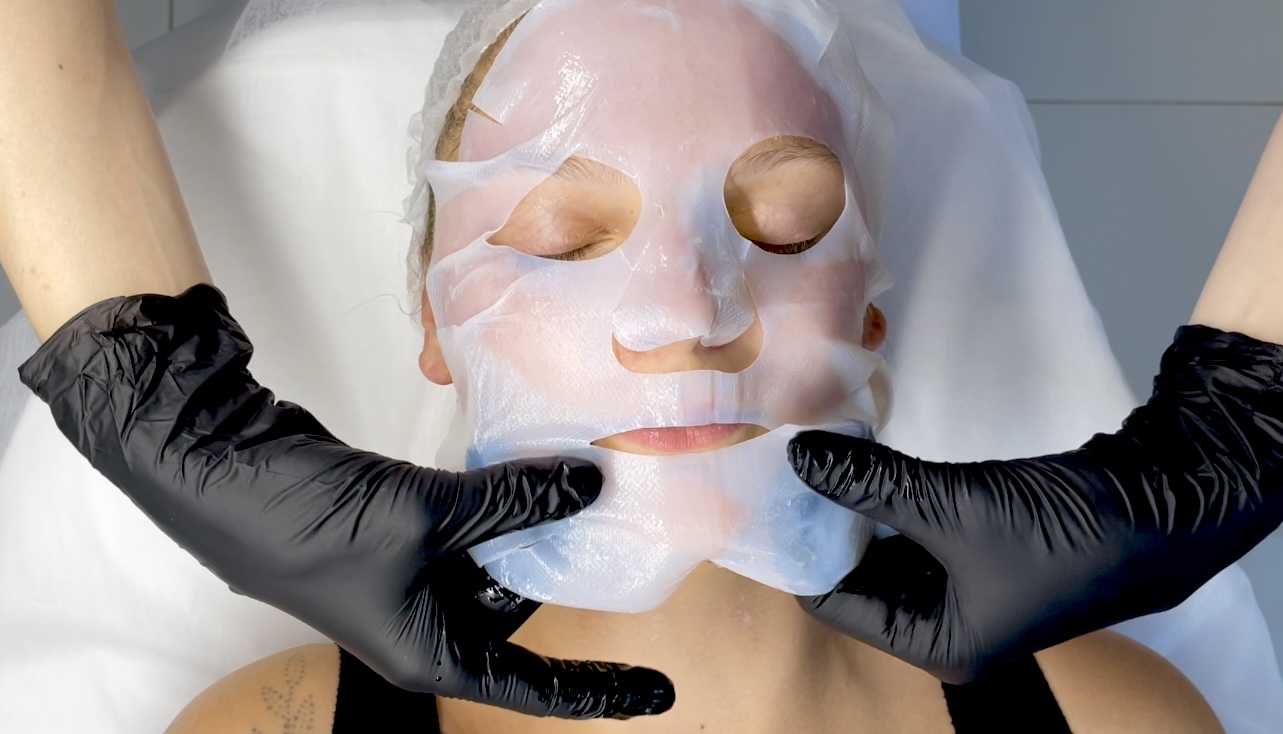
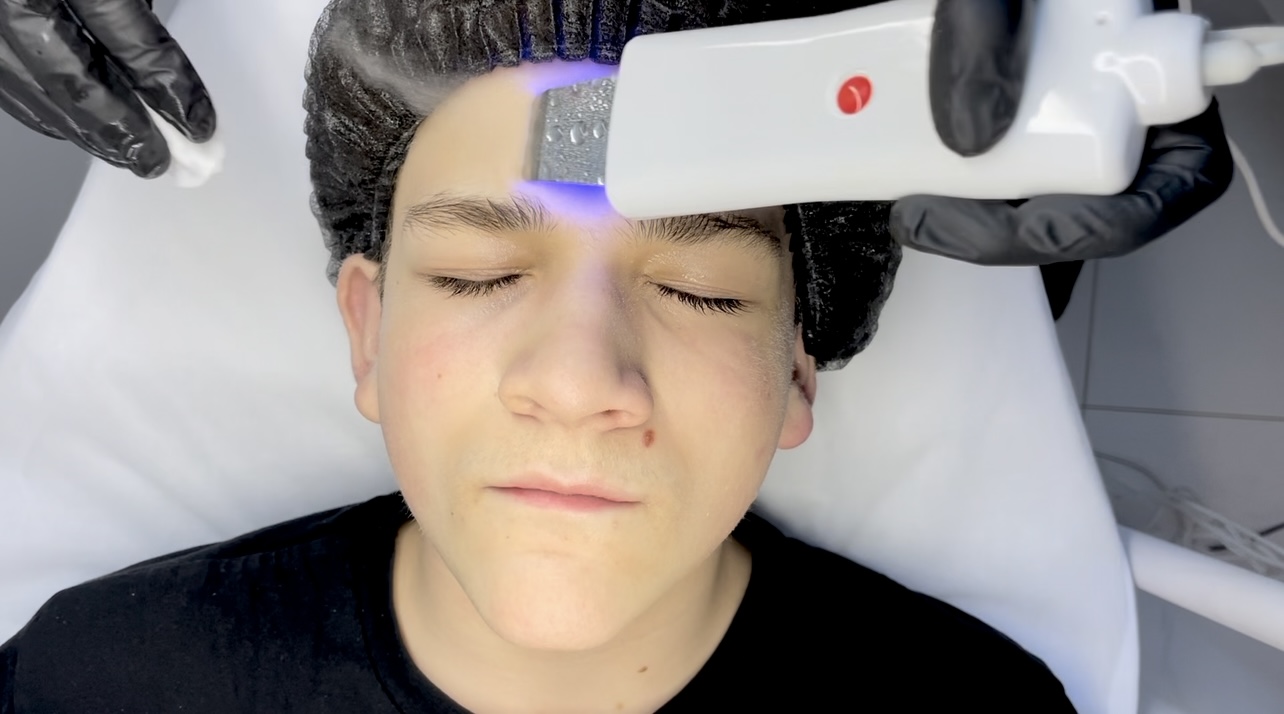
→ home skincare supporting the restoration of the hydrolipid barrier → skin cleansing (for example hydrogen facial cleansing combined with a chemical peel selected according to the skin concern, such as lactic acid or salicylic acid) → sonophoresis to hydrate, soothe the skin, or regulate sebaceous gland activity → skin calming stage (for example an alginate mask or sheet mask) → regenerative or hydrating treatments (for example microneedling or injectable mesotherapy) → treatments stimulating skin remodeling processes (for example biostimulatory injectable treatments)
The skin therapy pathway includes treatment stages performed during consecutive clinic visits.
Conscious work with facial skin
Performing facial treatments requires not only knowledge of procedures but also the ability to correctly evaluate the skin and understand the biological processes occurring within the tissue.
Every cosmetology procedure should be part of a carefully designed treatment strategy. This means that the decision to perform a specific treatment is based on skin diagnosis, analysis of its needs, and evaluation of factors influencing its condition.
In practice, effective skin therapy follows a structured process
skin diagnosis → identification of the primary concern → analysis of biological mechanisms → establishment of treatment priorities → selection of procedures → evaluation of results and plan adjustment
Modern cosmetology increasingly moves away from isolated treatments toward long-term work with the skin. Regular analysis of skin condition, observation of its response to treatments, and proper home care form the foundation of effective therapy.
As a result, facial treatments can not only improve the appearance of the skin but also support its natural regenerative processes and maintain healthy tissue condition over time.
Key processes in professional skin therapy
Skin therapy process
skin diagnosis → identification of the concern → analysis of skin mechanisms → treatment plan → selection of procedures → evaluation of results
Logic of cosmetology practice
visible skin symptoms → cause analysis → cosmetology diagnosis → therapy strategy → cosmetic treatments → improvement of skin condition
Mechanism of skin problems
hydrolipid barrier disruption → transepidermal water loss → skin dehydration → increased skin reactivity → deterioration of skin condition
From consultation to results
cosmetology consultation → skin diagnosis → identification of skin needs → treatment plan → treatment series → improvement of skin quality
Frequently asked questions about facial treatments
What are the most popular facial treatments in cosmetology?
The most commonly performed facial treatments include cleansing procedures, hydrating treatments, chemical peels, microneedling, LED light therapy, and lifting facial massages. The appropriate procedure depends on the skin type, its current condition, and the specific skin concern being treated.
Can facial treatments be performed on every skin type?
Facial treatments can be performed on all skin types, but the type and intensity of the procedure should always be adapted to the skin’s needs. Sensitive skin requires gentler treatments, while oily or acne-prone skin may benefit from procedures that regulate sebum production and support pore cleansing.
Can facial treatments improve problematic skin?
Properly selected cosmetology treatments can support the therapy of problematic skin, including acne-prone, vascular, or hyperpigmented skin. However, accurate skin diagnosis and gradual treatment planning are essential to avoid overloading the skin.
How should the skin be prepared for a facial treatment?
Before a facial treatment, it is recommended to avoid strong home exfoliation, retinoids, and intensive acids for several days. The skin should be in a stable condition, without active irritation or damage to the hydrolipid barrier. In many cases, a professional consultation is performed before starting treatment.
Can multiple facial treatments be combined during one visit?
Combined treatment protocols are commonly used in cosmetology to achieve more comprehensive therapeutic results. However, the combination of procedures should always take into account the skin’s reactivity and current condition. Excessively aggressive combinations may overload the skin.
How long do the results of facial treatments last?
The duration of results depends on the type of treatment, the condition of the skin, and the home care routine used afterward. Basic skincare treatments may provide short-term improvements in hydration and skin firmness, while regenerative procedures usually require a series of treatments.
Can facial treatments improve skin firmness?
Certain facial treatments can support improved skin firmness by stimulating regenerative processes and enhancing microcirculation. Procedures used for this purpose include microneedling, radiofrequency treatments, lifting facial massage techniques, and collagen-stimulating therapies.
Is home care necessary after facial treatments?
Home skincare plays a very important role in maintaining the results of cosmetology treatments. Properly selected cosmetic products support skin regeneration and help sustain the effects of professional therapy. In many cases, specialists also recommend adjusting the client’s previous skincare routine.
Do you want to learn how to perform facial treatments?
Performing facial treatments requires not only knowledge of the procedures themselves but also an understanding of how the skin functions. Professional work with the skin is based on diagnosis, analysis of biological processes, and conscious treatment planning.
For this reason, cosmetology training programs place strong emphasis on combining theory with practice. Understanding skin structure, hydrolipid barrier function, vascular reactivity, and the mechanisms behind skin conditions allows treatments to be performed safely and effectively.
If you want to learn how to perform facial treatments professionally, it is worth starting with a solid foundation in cosmetology and learning the most commonly used treatment procedures.
In Beauty Expert Online courses you will find detailed materials on skin diagnosis, treatment planning, and step-by-step procedures. The programs include both theoretical knowledge and instructional video materials demonstrating the treatments.
Thanks to this approach, you can learn how to work with the skin in a structured and conscious way, based on the knowledge used in modern cosmetology.
If you are interested in skin therapy planning and the selection of cosmetology treatments, it is also worth exploring topics related to specific procedures used in professional skincare practice.
If you want to learn effectively and at your own pace, you’re in the right place. Our courses combine years of hands-on experience with detailed treatment protocols, instructional videos, and advanced cosmetology-medical educational materials—designed to support your professional growth regardless of where you are based.
You choose a course and gain immediate access to all online materials after purchase. You learn at your own pace, with 12 months of access to the content and no time pressure. After completing the course, you receive a certificate, and the knowledge you gain can be applied in practice right away.
Beauty Expert Online does not support older browser versions that may not support all site functionalities. Please use the latest browser versions Google Chrome, Firefox, Microsoft Edge or others.