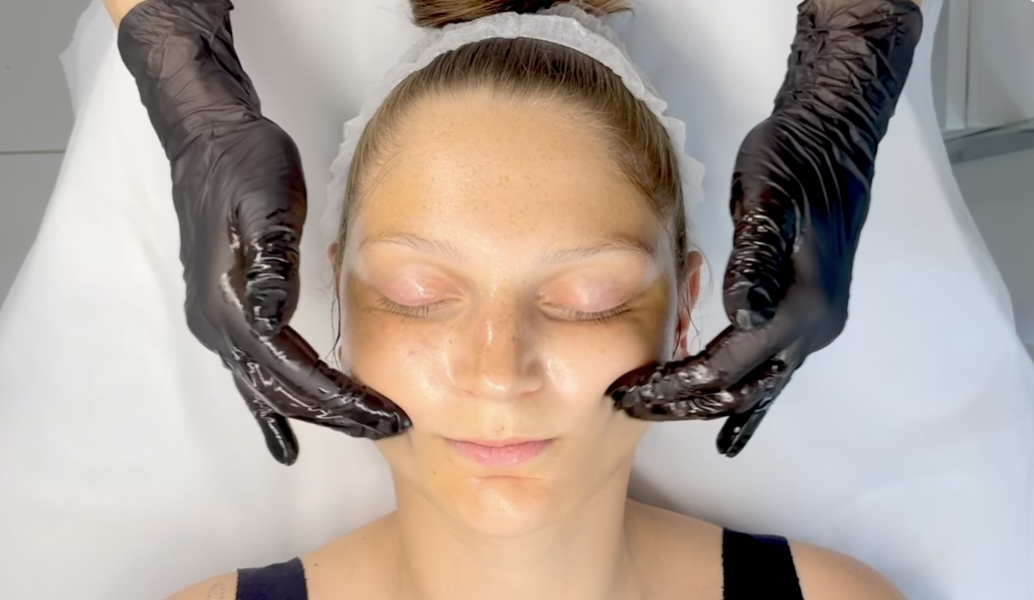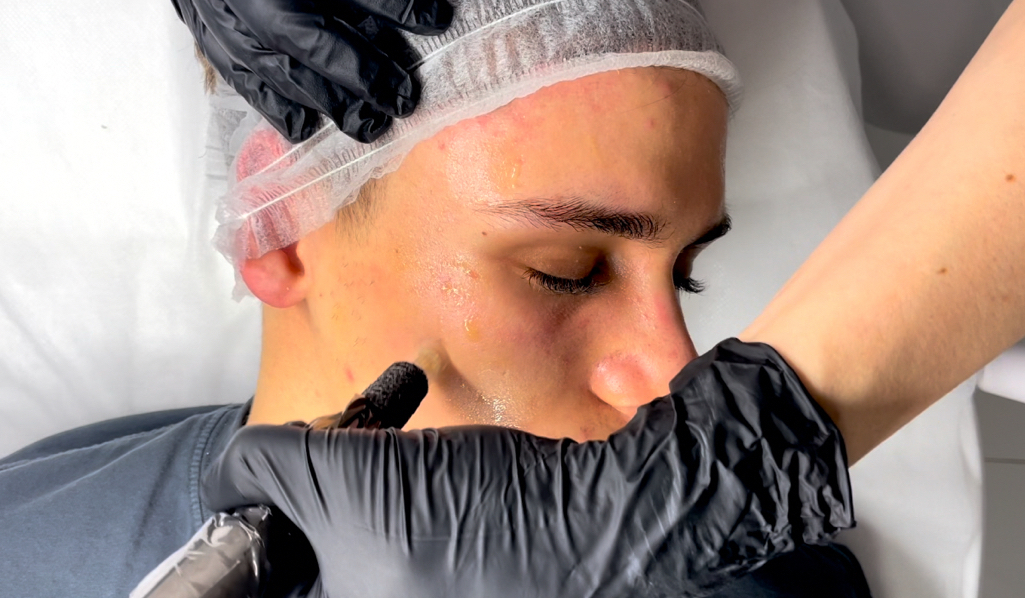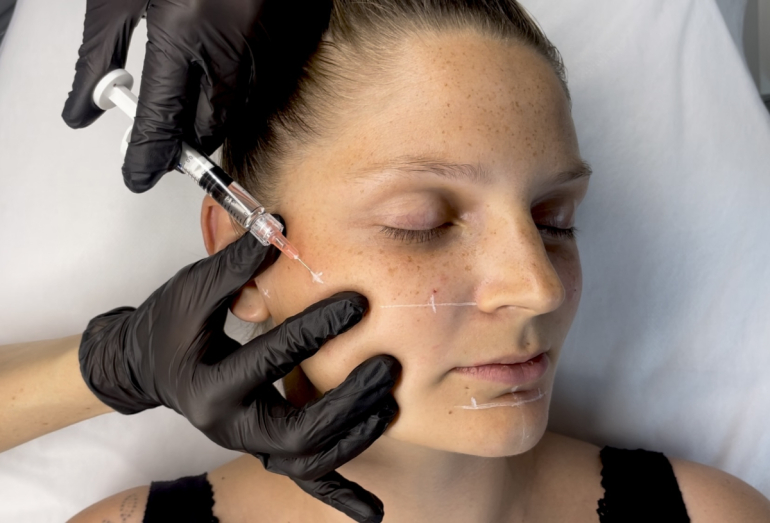
The manager of a beauty practice is responsible for organizing the daily workflow, maintaining a stable appointment schedule, monitoring revenue, and ensuring a consistent standard of client care.
The role goes beyond supervising the team. In practice, the manager oversees the entire operational system of the practice where cosmetic treatments, massage services, and skincare therapies are performed.
A beauty practice functions like an operating system. Every element affects the others.
1. appointment schedule
→ number of visits
→ revenue
2. treatment menu
→ average ticket value
→ revenue
3. service standards
→ client retention
→ schedule stability
If any of these elements is no longer monitored, the balance of the system begins to weaken.

The difference between performing treatments and managing a practice
In a beauty practice there are two different levels of work.
The first is treatment work, meaning performing services such as cosmetic procedures, massage, or beauty treatments.
The second level is managing the practice.
- The practitioner focuses on the course of the appointment.
- The manager is responsible for how the entire system of work operates.
The management scope includes
- the number of appointments in the schedule
- setting and monitoring service pricing
- organizing the workday
- structuring the treatment menu
- coordinating the team
- planning the future development of the practice
In practice, management can be simplified to controlling three key parameters
- number of visits
- average ticket value
- operating costs
Short analytical exercise
Answer three questions
- how many appointments take place on an average day
- what is the average value of a visit
- what is the daily revenue of the practice
If these numbers are not immediately known, it usually means that the fundamental business metrics are not being regularly monitored.
Revenue control
The number of clients is not the most important indicator of a practice’s financial health. The key factor is the average ticket value.
Two practices may have the same number of clients but completely different revenue levels.
Example
| Practice | Daily visits | Average ticket value | Daily revenue | Monthly revenue (22 working days) |
|---|---|---|---|---|
| Practice A | 10 | $70 | $700 | $15,400 |
| Practice B | 10 | $110 | $1,100 | $24,200 |
The difference results from the structure of the service menu and the pricing level.
number of visits remains the same
→ ticket value changes
→ practice revenue changes
How to increase revenue without increasing the number of clients
| Change | Daily effect (10 visits) | Monthly effect (22 working days) |
|---|---|---|
| adding $10 to each visit | +$100 | +$2,200 |
| adding $15 to each visit | +$150 | +$3,300 |
| selling a product to two clients per day ($40) | +$80 | +$1,760 |
Organizing the workday
Time in a beauty practice is the most valuable resource.
If the schedule is not well organized, part of the potential revenue simply disappears.
Example of schedule organization
| Visit type | Treatment time | Visits per day | Revenue |
|---|---|---|---|
| 60-minute massage | 60 min | 8 | $720 |
| 90-minute massage | 90 min | 5 | $650 |
| mixed schedule | various | 7 | $840 |
Revenue loss caused by empty time slots
| Empty hours per day | Daily loss | Monthly loss |
|---|---|---|
| 1 hour | $90 | $1,980 |
| 2 hours | $180 | $3,960 |
| 3 hours | $270 | $5,940 |
Decisions about the treatment menu
The treatment menu should be structured and aligned with real client demand.
Too many services often lead to
- pricing menu confusion
- sales difficulties
- unclear marketing communication
Cost management
Every beauty practice operates with fixed costs.
Example cost structure of a small solo practice
| Expense | Monthly amount |
|---|---|
| rent | $750 |
| cosmetics and supplies | $350 |
| marketing | $200 |
| accounting and other costs | $200 |
Total operating cost: $1,500 per month
Example cost structure of a larger beauty practice
| Expense | Monthly amount | Operational note |
|---|---|---|
| rent and facility costs | $3,000 | larger location in a good area |
| team salaries | $9,000 | 3–5 team members |
| cosmetics and supplies | $2,000 | depends on treatment volume |
| marketing | $1,500 | advertising and promotion |
| utilities and equipment service | $900 | electricity, water, internet |
| software and booking systems | $150 | booking and CRM tools |
| accounting and legal services | $400 | financial and legal support |
| equipment leasing | $800 | devices and equipment |
| cleaning and hygiene | $150 | cleaning services |
| other expenses | $100 | insurance and miscellaneous costs |
Total operating cost: $18,000 per month
The role of service standards
The quality of client service directly affects client retention and schedule stability.
The manager is responsible for
- implementing service standards
- maintaining consistent visit quality
- ensuring procedures are followed within the team
The structure of the visit should be consistent.
→ welcoming the client
→ consultation
→ performing the treatment
→ skincare recommendations
→ proposing the next visit
Consistency in the client experience increases trust and helps stabilize the appointment schedule.
Most common mistakes
- lack of numerical performance tracking
- disorganized scheduling
- lack of cost analysis
- an overly complex treatment menu
- lack of service standards
- no long-term development plan
Beauty practice manager checklist
Daily control
- checking schedule occupancy
- monitoring appointment punctuality
- confirming follow-up bookings
- reviewing product sales
Weekly control
- analysis of visit volume
- checking average ticket value
- reviewing product sales
- checking open days in the schedule
Monthly control
- revenue analysis
- cost analysis
- treatment profitability review
- client retention analysis
Quick summary
| Area | What to monitor | Practical outcome |
|---|---|---|
| Schedule | visit volume and occupancy | stable daily workflow |
| Revenue | average ticket value | practice profitability |
| Costs | monthly expenses | break-even threshold |
| Offer | treatment sales | clarity of the service menu |
| Service standards | visit structure | client retention |
Managing a beauty practice involves conscious control of the schedule, revenue, costs, and service standards.
Decisions should be based on data analysis rather than momentary intuition.
Regular monitoring of numbers allows the practice to maintain operational stability, predictable revenue, and the ability to plan future growth.
If you want to develop your treatment skills, explore the training programs available on our platform.