The Most Common Microneedling Mistakes and How to Avoid Them
Microneedling is an advanced rejuvenation technique that stimulates collagen production, improves texture, and enhances overall skin function. Although the procedure is highly effective, the precision of technique and proper skin assessment are crucial. Even small mistakes can affect treatment outcomes, extend recovery time, or increase the risk of complications. Recognizing and avoiding these errors enables professionals to deliver predictable, safe, and high-quality results for every client.
Improper Technique and Uncontrolled Movements
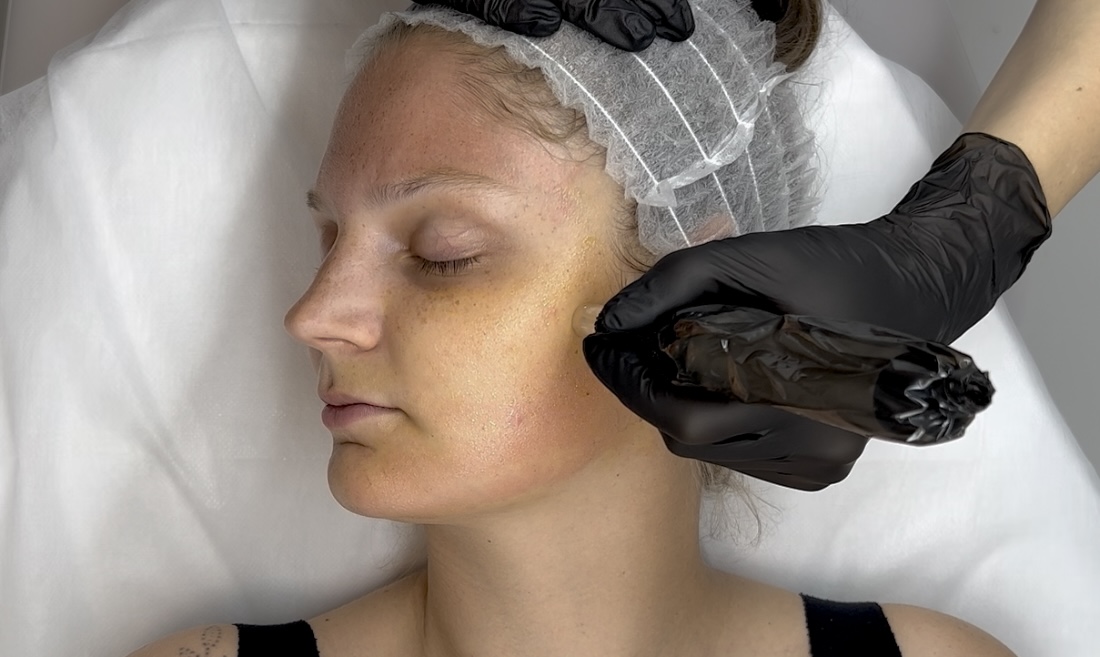
Smooth, controlled device movements are essential for creating consistent microchannels and maintaining epidermal integrity. Rapid, sweeping, or unstructured motions may reduce treatment accuracy and elevate the risk of unnecessary tissue damage.
Why Precision Matters
Irregular passes create uneven microchannels
Excessive pressure may damage capillaries
Fast or inconsistent movements reduce needle control
Increased risk of post-treatment inflammation
Refined, steady movements support consistent needle penetration and contribute to predictable, uniform skin regeneration.
Treating Dehydrated or Compromised Skin
Skin with a weakened barrier responds strongly to mechanical stimulation. Performing microneedling on dehydrated, irritated, or compromised skin may result in:
heightened erythema
slower healing
formation of rough or dry patches
Pre-treatment protocols—such as barrier repair, hydration, and strengthening of the stratum corneum—greatly reduce skin reactivity and improve overall treatment safety.
INCORRECT ANGLE OR INCONSISTENT DEPTH CONTROL
A stable, perpendicular (90-degree) angle ensures efficient microchannel formation and minimizes the risk of tearing. Deviating from the correct angle can lead to:
slanted microinjuries
excessive pinpoint bleeding
microscopic epidermal tearing
reduced absorption of active ingredients
Depth control should always reflect the client’s skin thickness, anatomical region, and treatment goals to ensure both effectiveness and safety.
Using Inappropriate Products or Tools During the Procedure
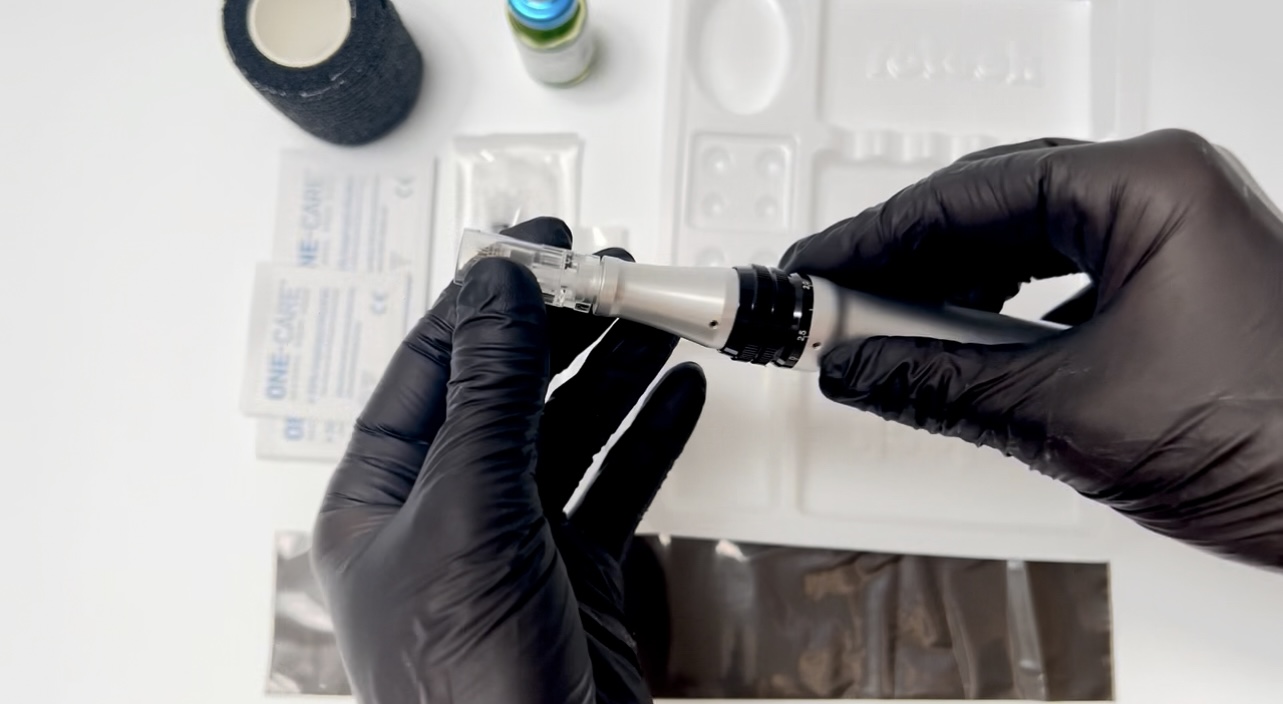
Because microneedling temporarily disrupts the skin barrier, every topical used during the procedure must be sterile, fragrance-free, and suitable for transdermal application.
Common mistakes include:
using perfumed ampoules that increase the risk of irritation
selecting non-sterile or low-quality tools
applying products not intended for open-skin procedures
Minimal-ingredient, sterile formulations are the safest choice for post-microchannel environments.
Overstimulation or Excessive Intensity During Treatment
Some clients assume that stronger stimulation equals better results. Excessively aggressive passes, high depth settings, or unnecessary repetition may lead to:
Microneedling is a powerful, science-backed procedure—provided it is performed with precision, safety, and an understanding of skin physiology. Avoiding common mistakes such as improper movements, incorrect angles, poor product selection, and over-aggressive intensity protects the skin and enhances treatment outcomes. When executed correctly, microneedling offers refined, long-lasting rejuvenation with minimal downtime.
If you want to learn effectively and at your own pace, you’re in the right place. Our courses combine years of hands-on experience with detailed treatment protocols, instructional videos, and advanced cosmetology-medical educational materials—designed to support your professional growth regardless of where you are based.
You choose a course and gain immediate access to all online materials after purchase. You learn at your own pace, with 12 months of access to the content and no time pressure. After completing the course, you receive a certificate, and the knowledge you gain can be applied in practice right away.
Beauty Expert Online does not support older browser versions that may not support all site functionalities. Please use the latest browser versions Google Chrome, Firefox, Microsoft Edge or others.