Join over 70 professional beauty and massage courses on an interactive online platform. Get instant access, earn a certificate after every course, and save up to 40% with course bundles.
Beauty courses online

Learn beauty skills your way – online, certified 24/7

Online beauty courses




Save with course bundles
Price includes VAT$139Savings: $79

Price includes VAT$159Savings: $108
Price includes VAT$159Savings: $99

Price includes VAT$129Savings: $69
Price includes VAT$189Savings: $129
Price includes VAT$119Savings: $79

Price includes VAT$159Savings: $99
Price includes VAT$189Savings: $118
Price includes VAT$139Savings: $79
Price includes VAT$139Savings: $79
Price includes VAT$149Savings: $89
Price includes VAT$149Savings: $89
Price includes VAT$179Savings: $79
Price includes VAT$119Savings: $69
Price includes VAT$139Savings: $79
Price includes VAT$259Savings: $178
Most popular courses
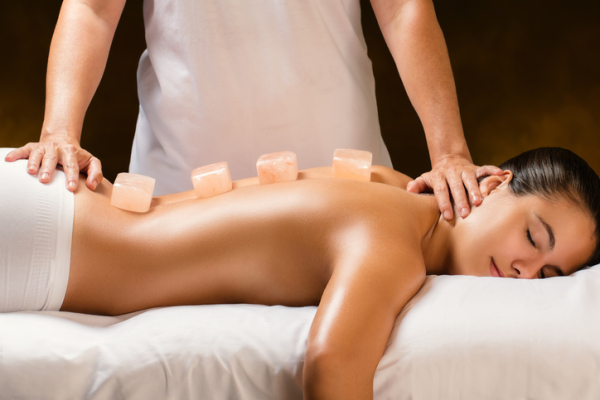
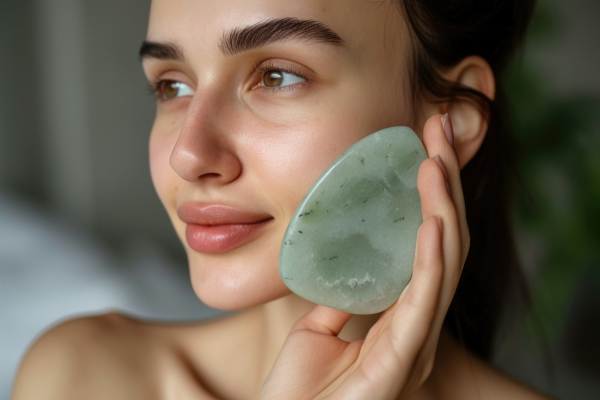
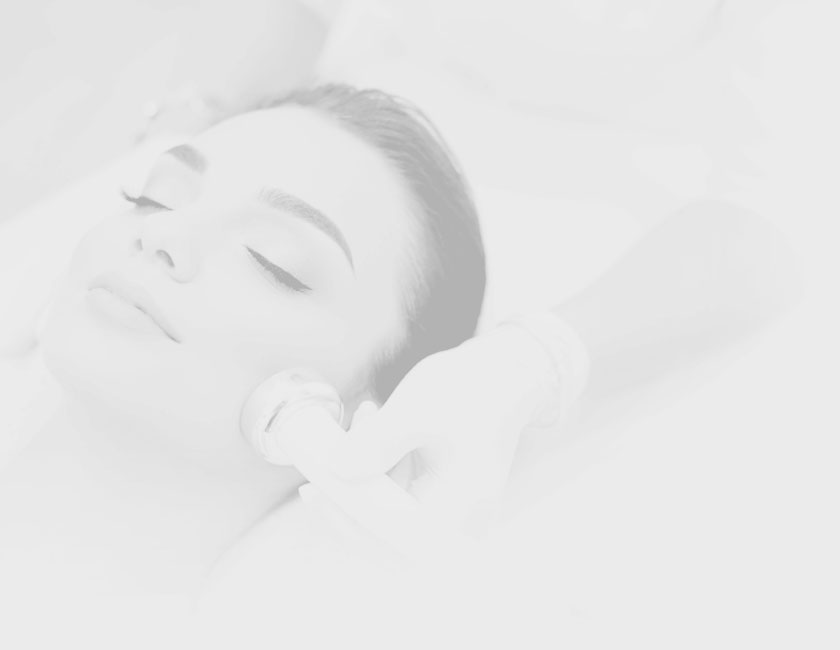
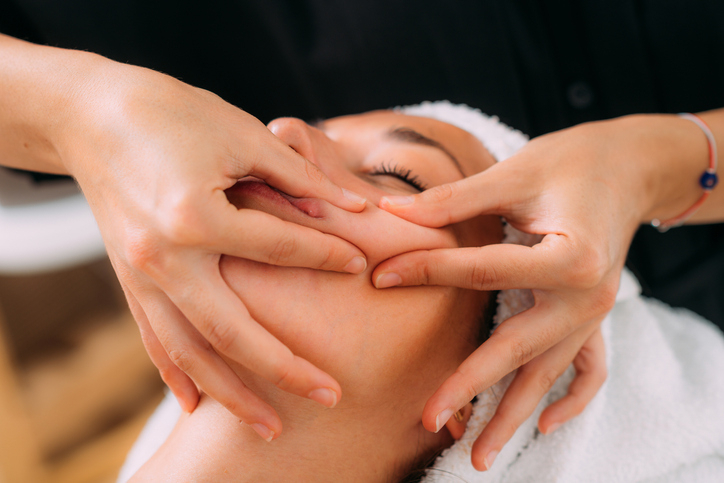
Kobido massage
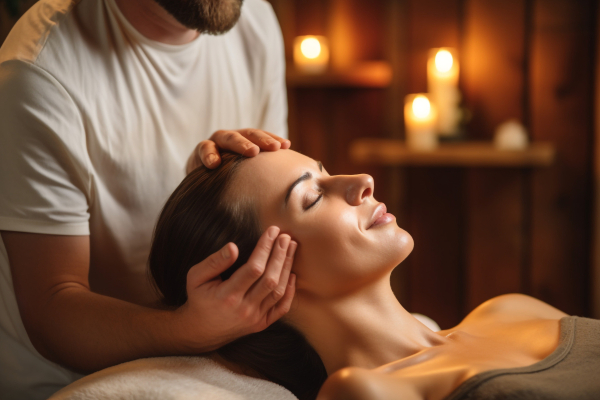
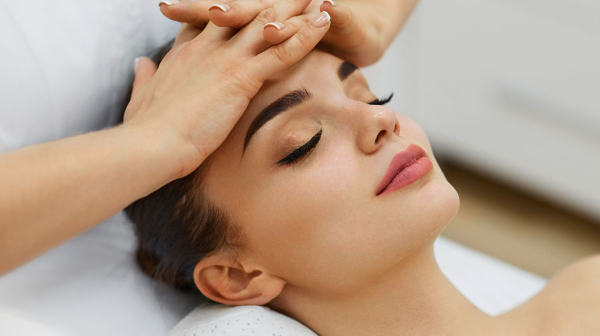
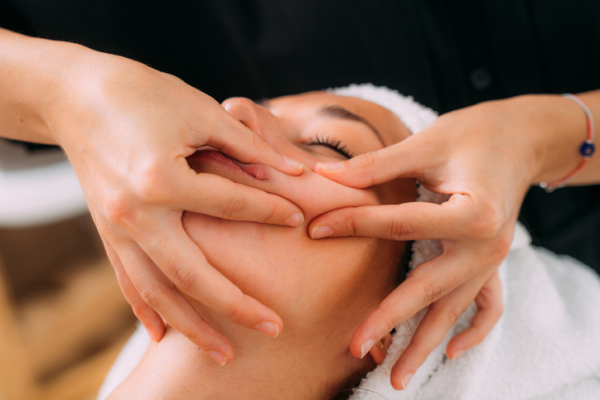
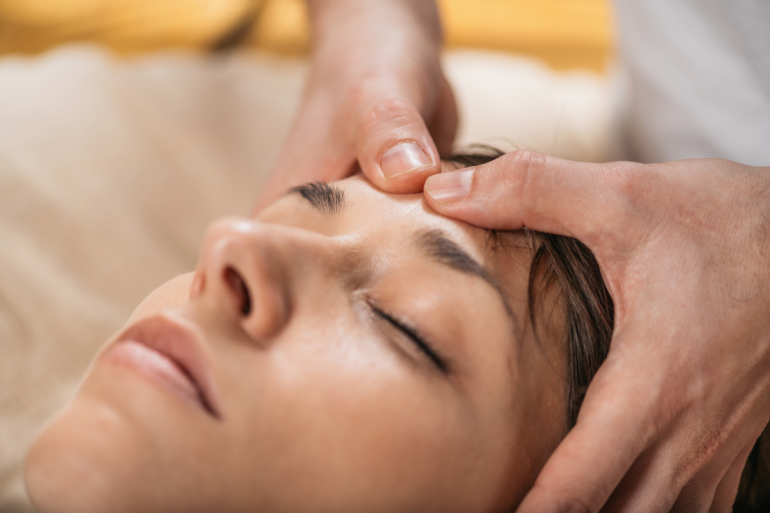
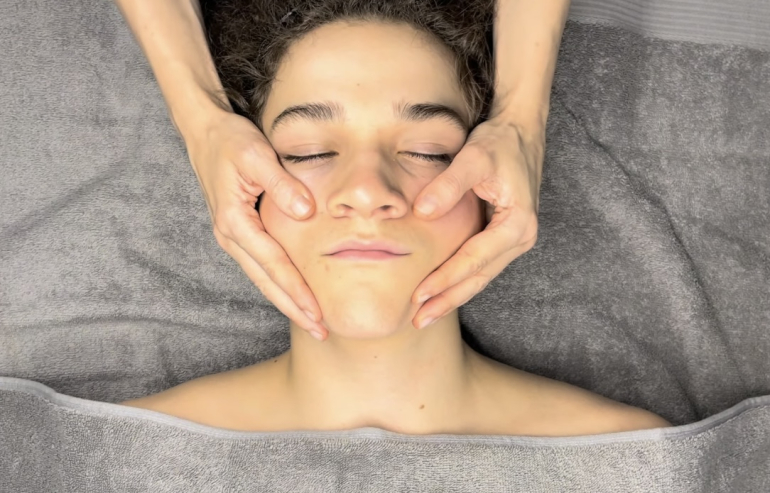
Kobido is an advanced facial massage technique focused on deep manual work with facial tissues. The course includes lifting techniques, lymphatic drainage, and acupressure used in professional treatments
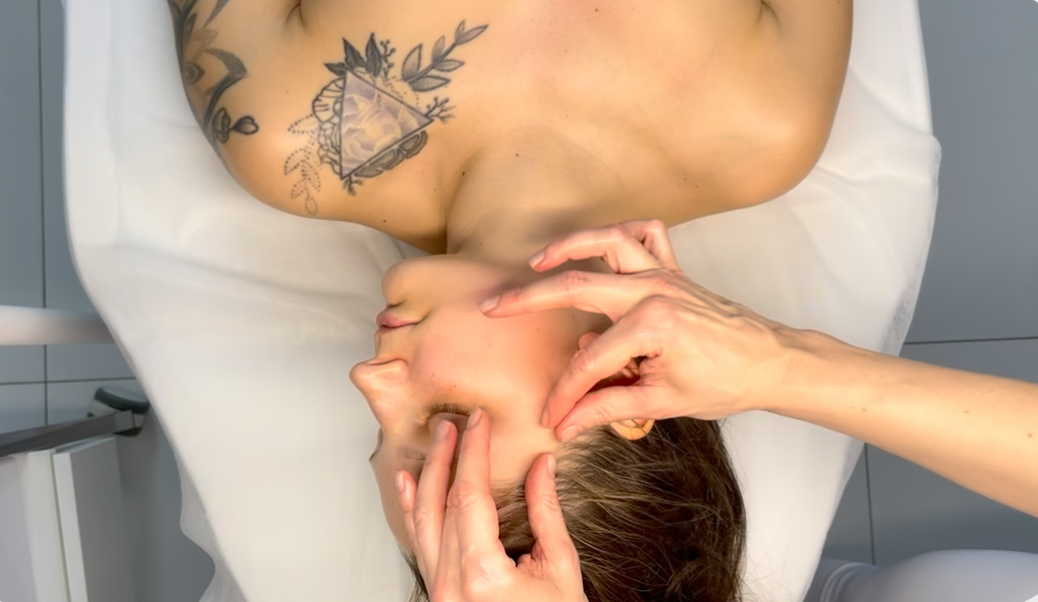

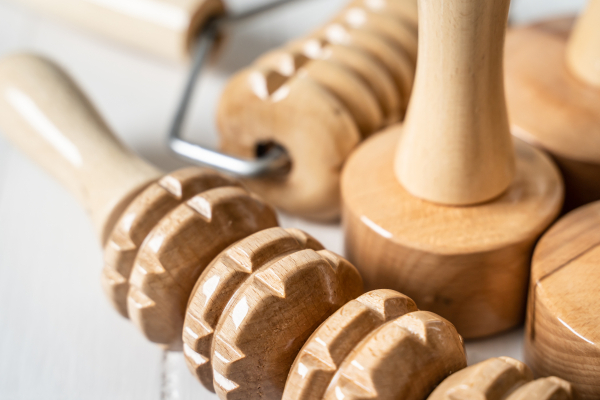
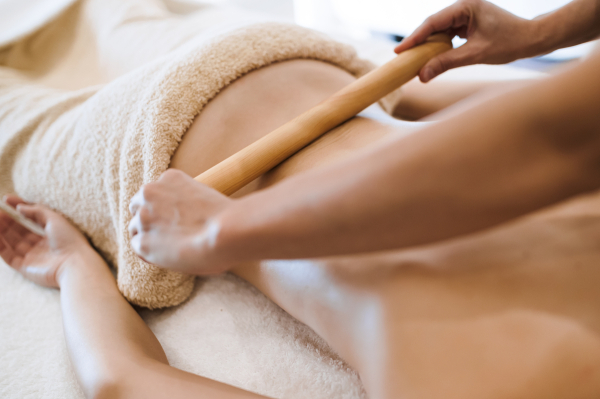
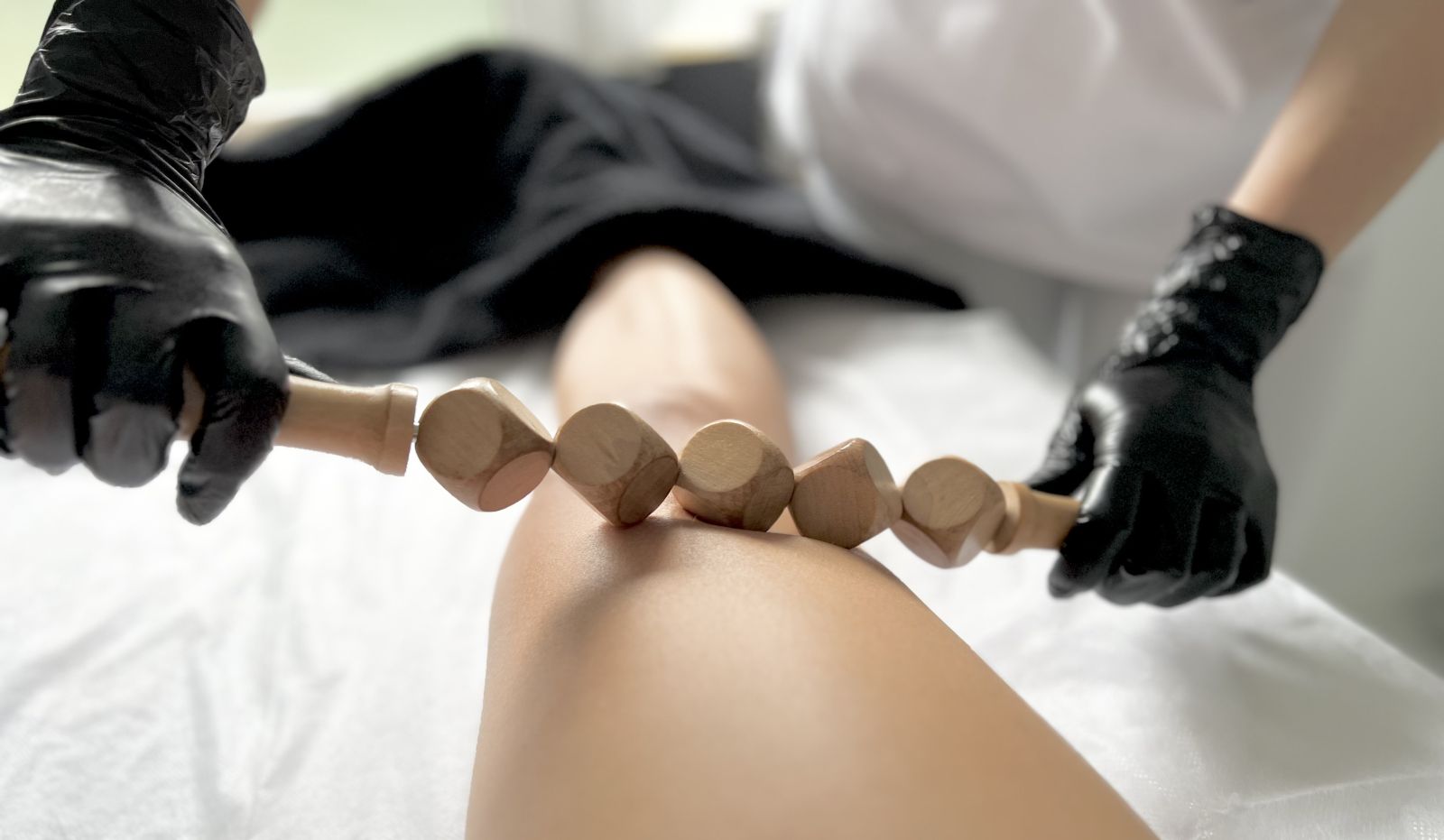
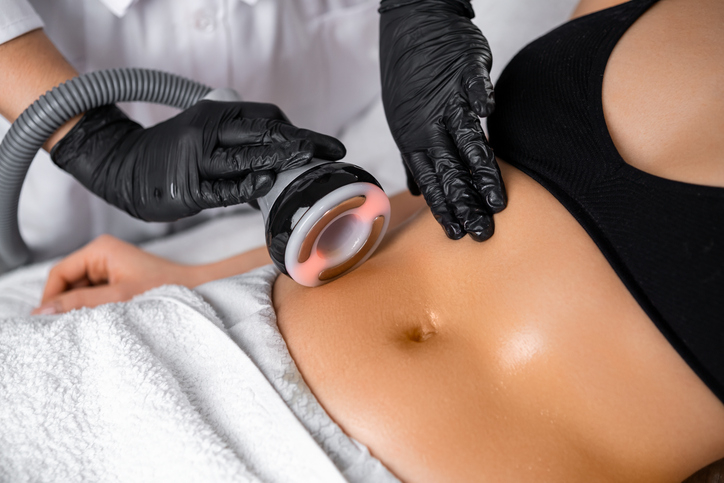
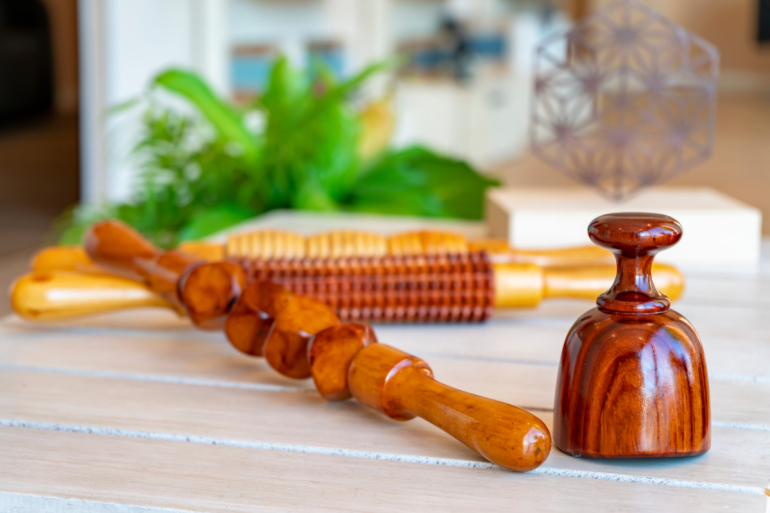
Wood therapy
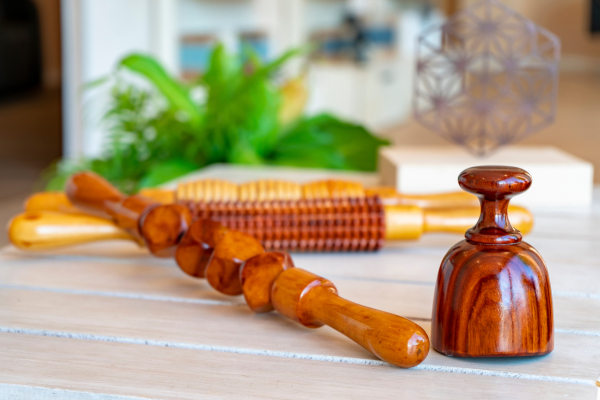
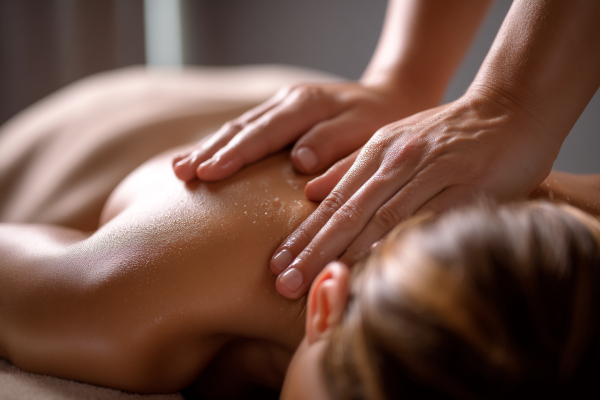
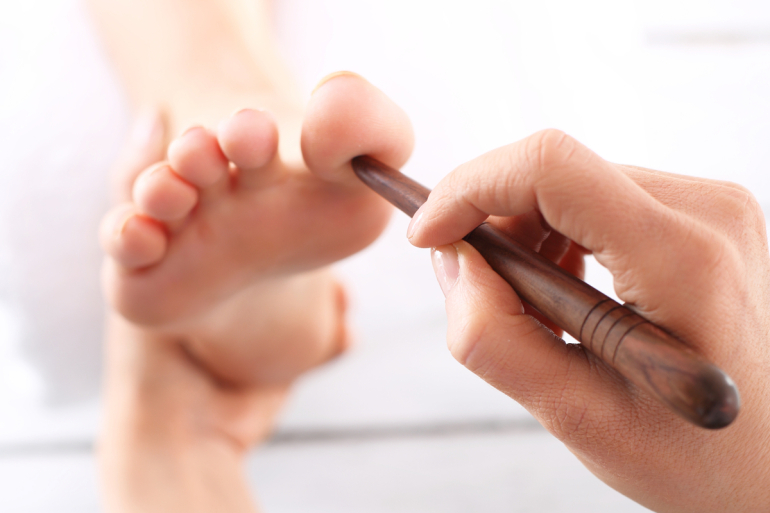
Wood therapy is a body-contouring technique based on intensive stimulation of subcutaneous tissue using specialized wooden tools. The course includes protocols used in treatments targeting cellulite, swelling, and body sculpting

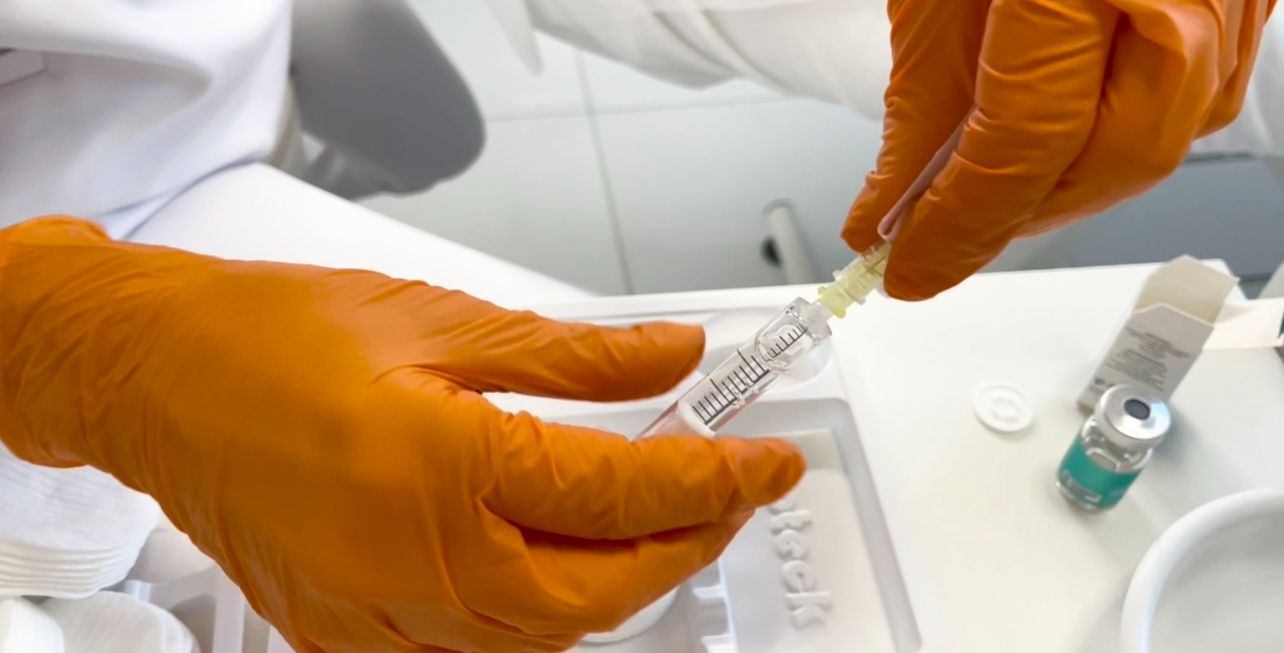
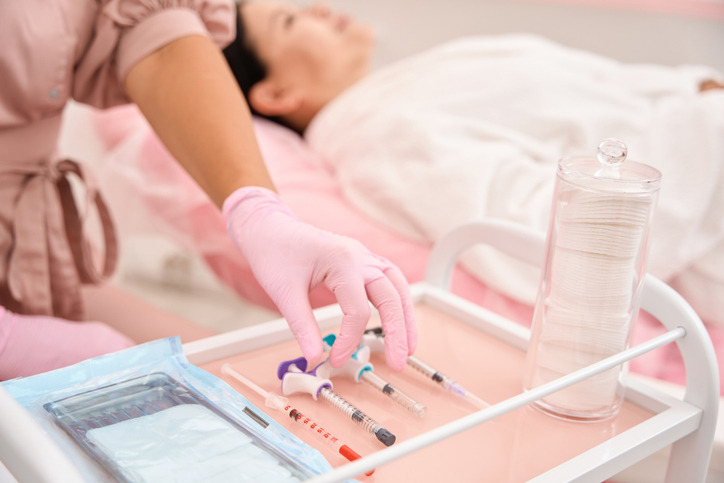
Mesotherapy
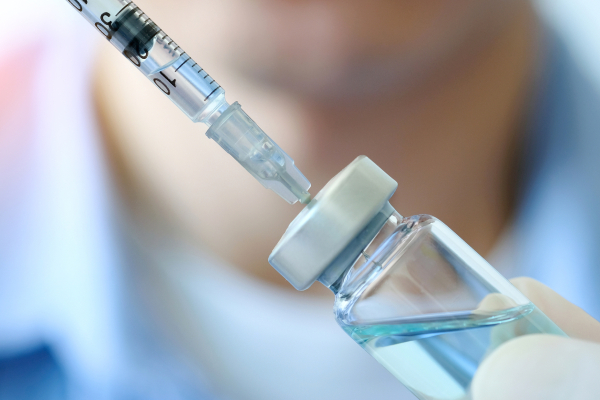
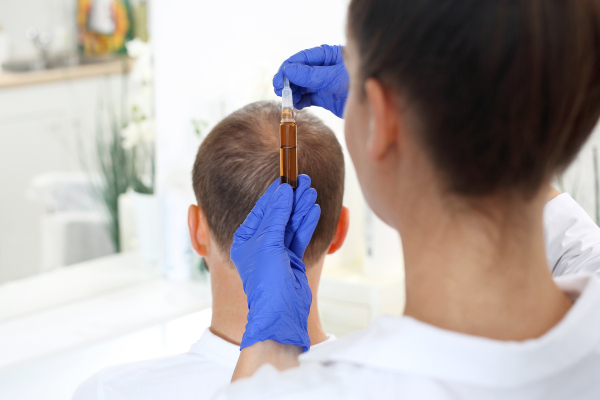
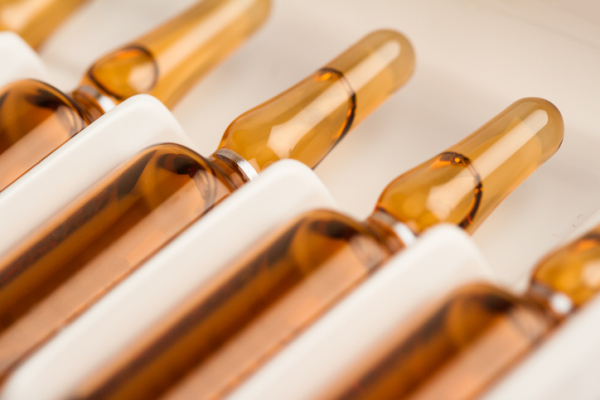
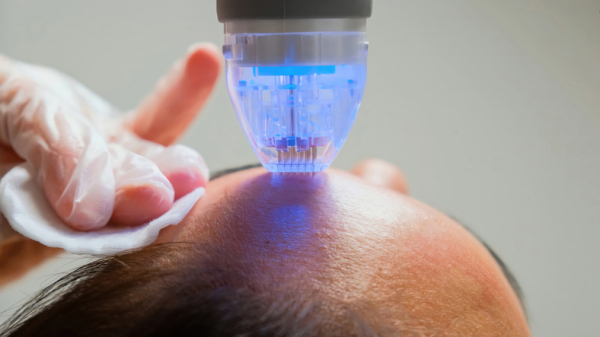
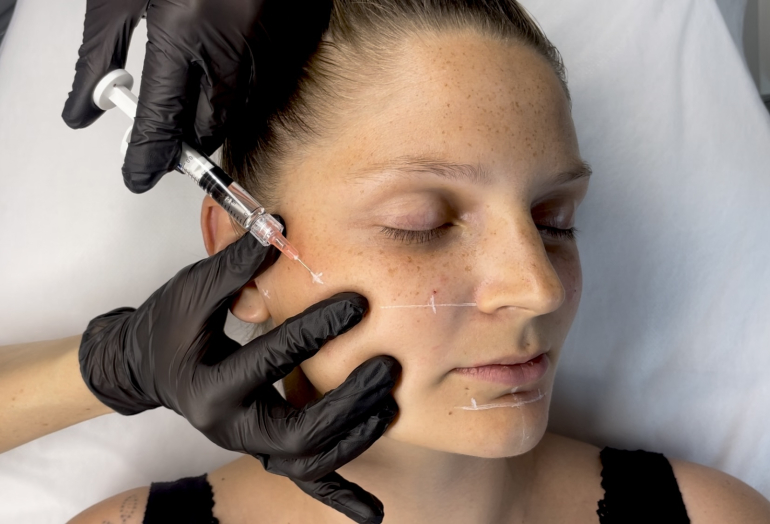
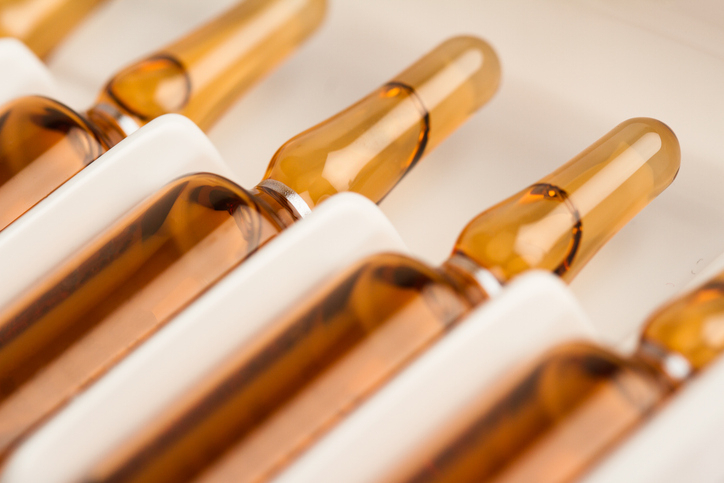
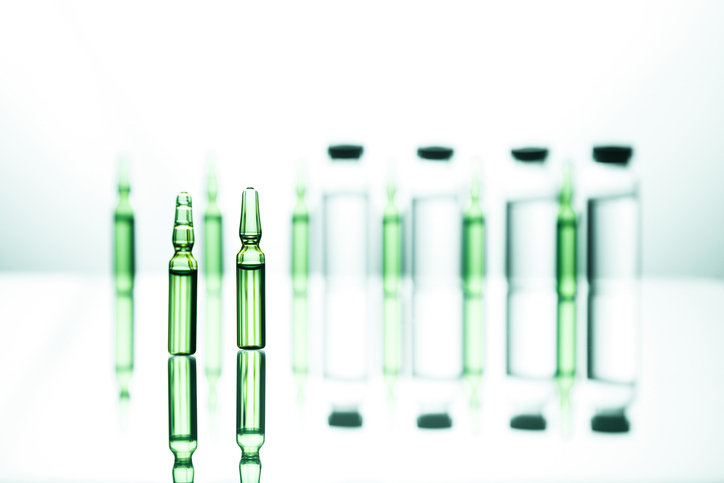
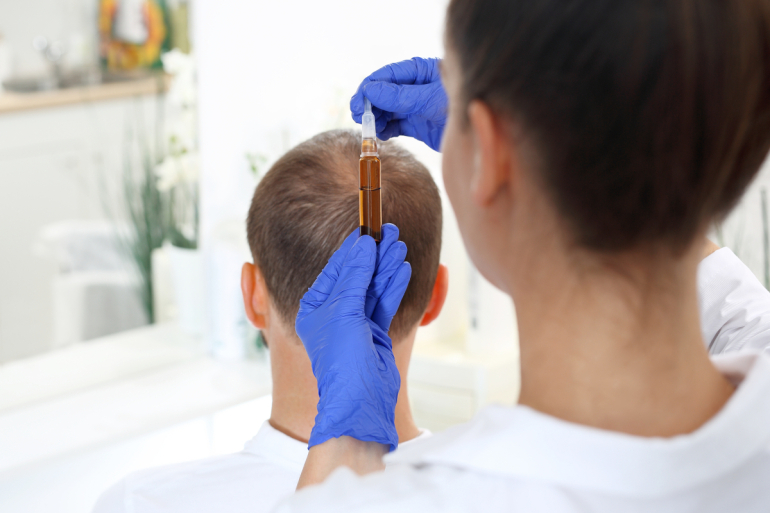
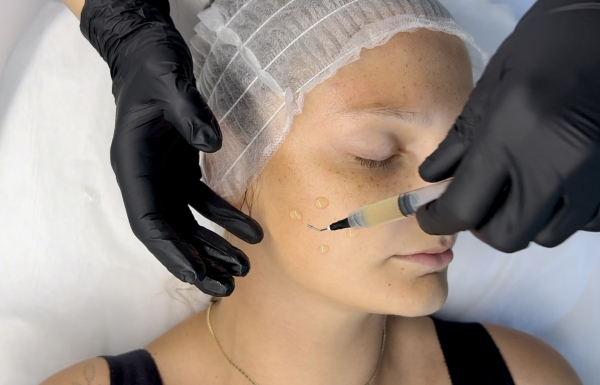
Injection mesotherapy is a treatment that delivers active ingredients directly into deeper layers of the skin. The course covers injection techniques, product selection, and treatment planning used in professional aesthetic procedures


Choose a course and learn step by step
Each course walks you through every stage of the process — from preparation, through techniques and application, all the way to certification. You learn practical methods you can confidently apply in real client work.

Why learn online
Instant access
The course is available in your account immediately after purchase. Start learning right away and access the materials anytime

Step-by-step guidance
You’re guided through each treatment — from preparation, through techniques, to full execution. Every step is clearly shown and explained

Ready-to-use protocols
Get treatment protocols, product lists, and video materials that help you organize your work and apply it in practice

Video training
Watch real treatments and learn by following each step of the process from start to finish

Get certified
Receive a certificate after completing the course, available directly in your account

24/7 access
Learn on your schedule, with full access to the course whenever you need it

We’ve been educating the beauty industry for 20 years.
If you want to learn effectively and at your own pace, you’re in the right place. You learn what’s been proven in real practice — with ready-to-use protocols, materials, and step-by-step guidance.

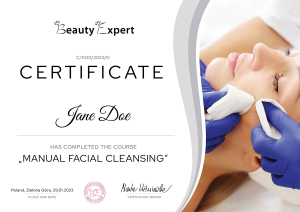
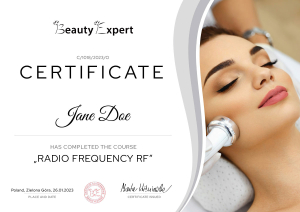
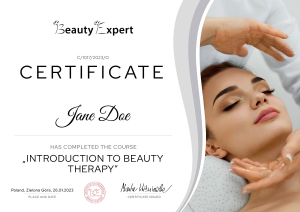
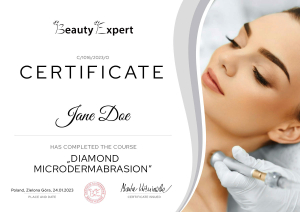
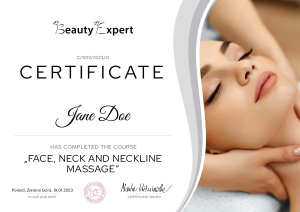
Every course is a new certificate
Every course ends with a certificate you receive immediately after passing the quiz. It is instantly available in your account and confirms your acquired skills.

Beauty academy
48 lessons — from fundamentals to client work. Learn step by step with a focus on practical skills you can apply in real treatments.
384
384 interactive modules48
48 structured lessons12
12 months of guided learning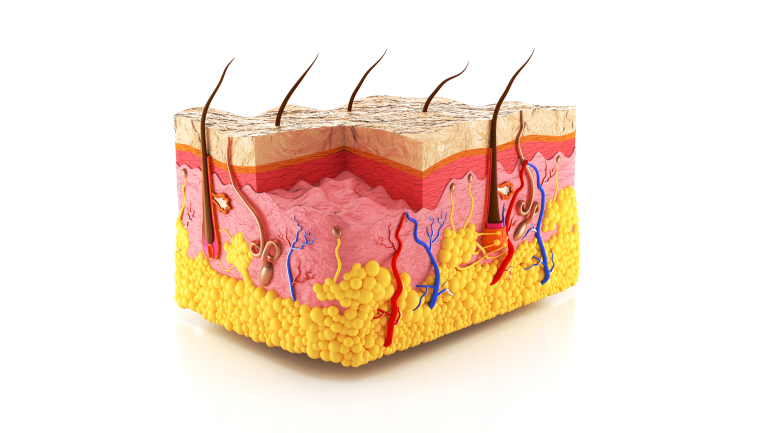
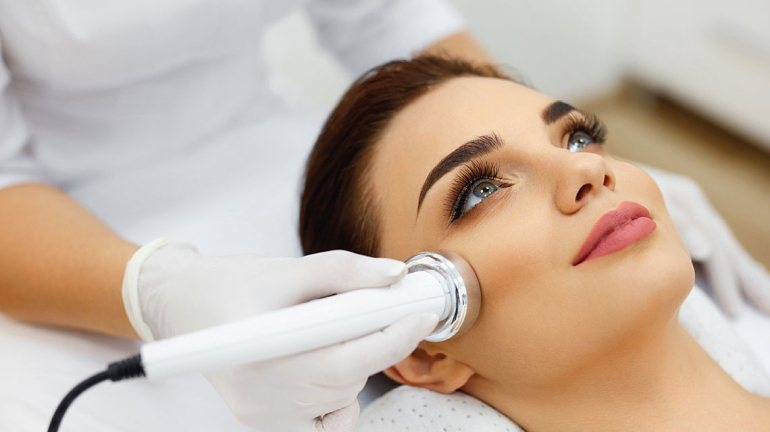
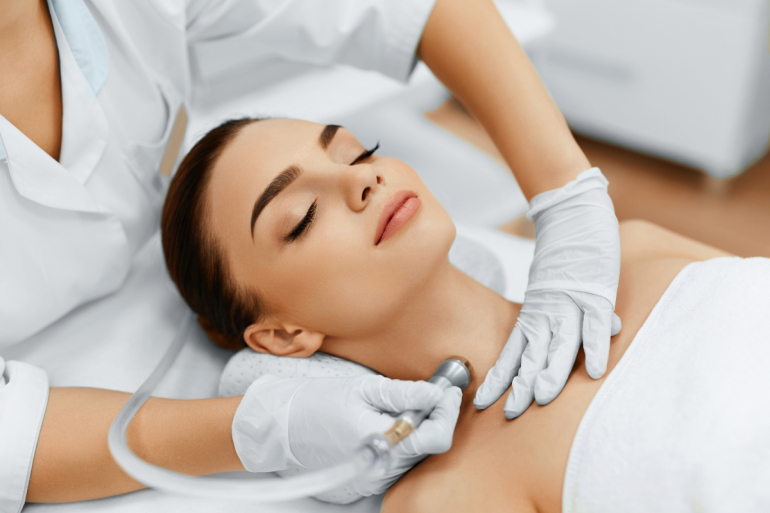
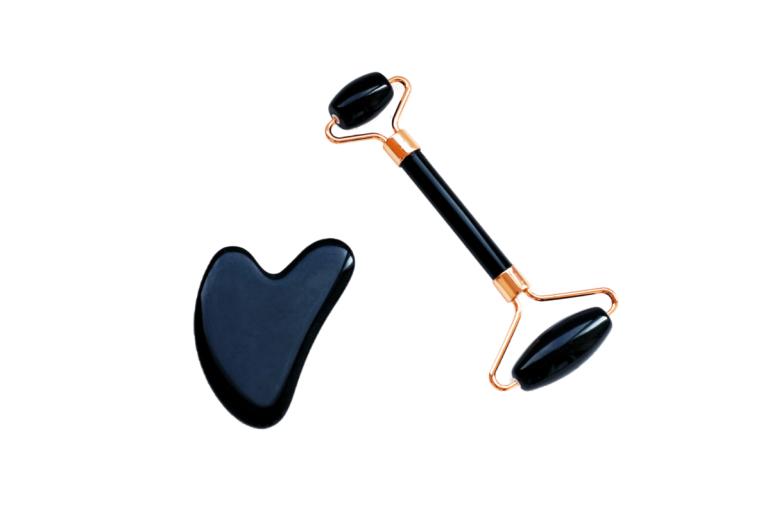
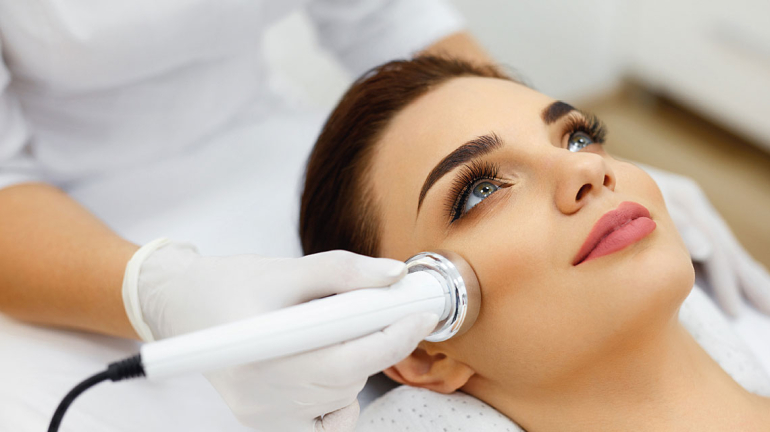
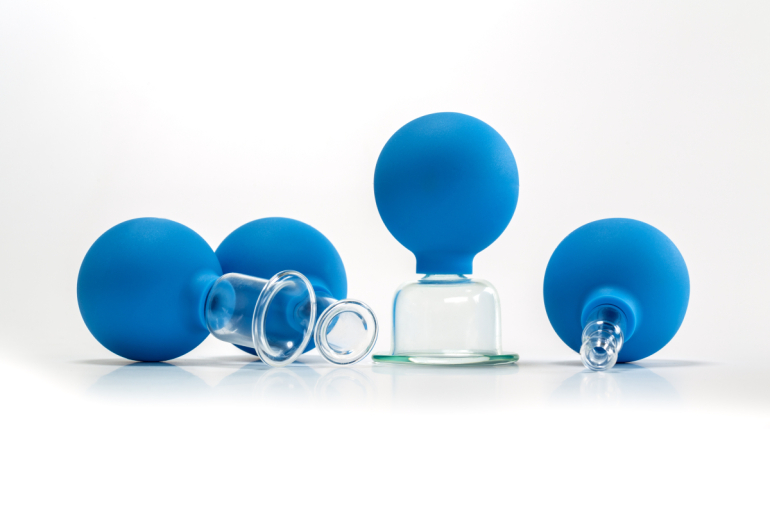
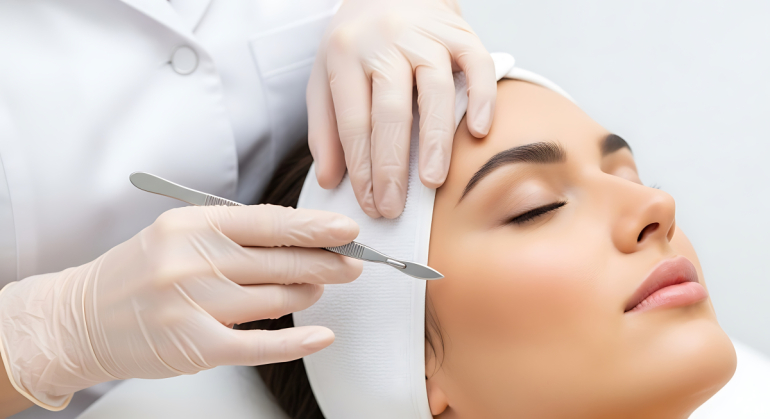
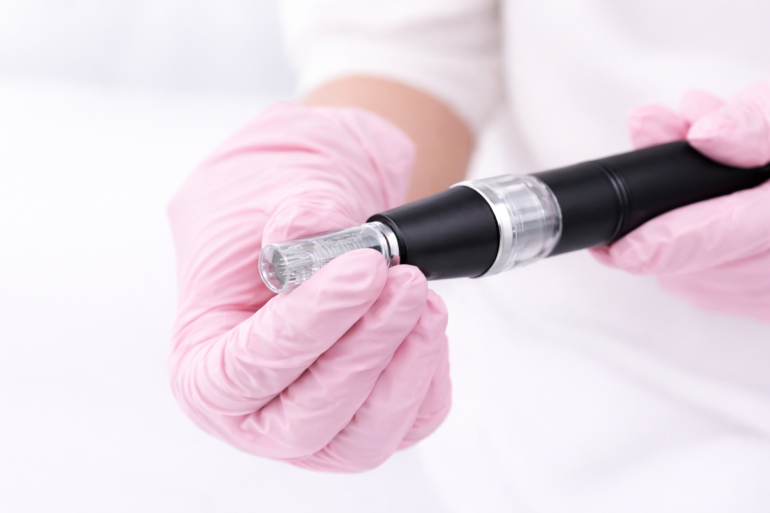
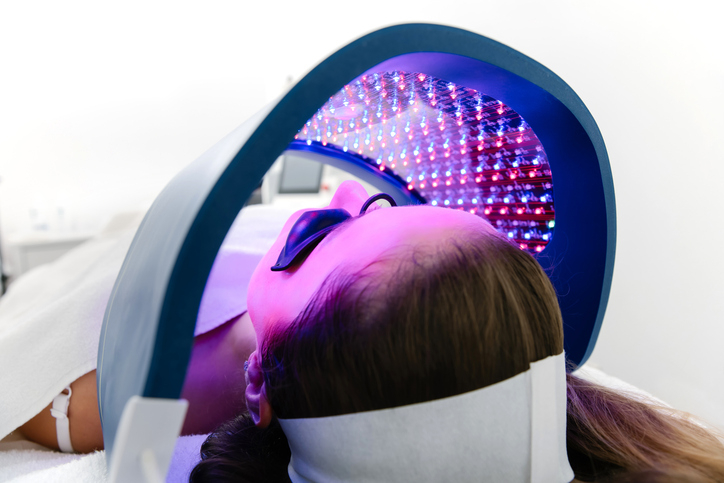
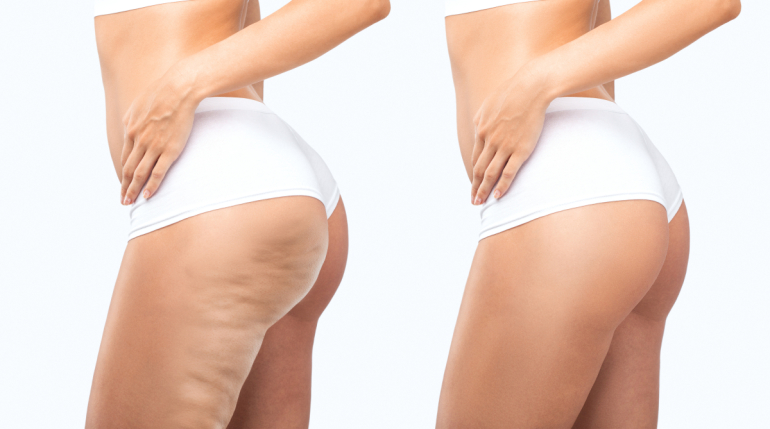
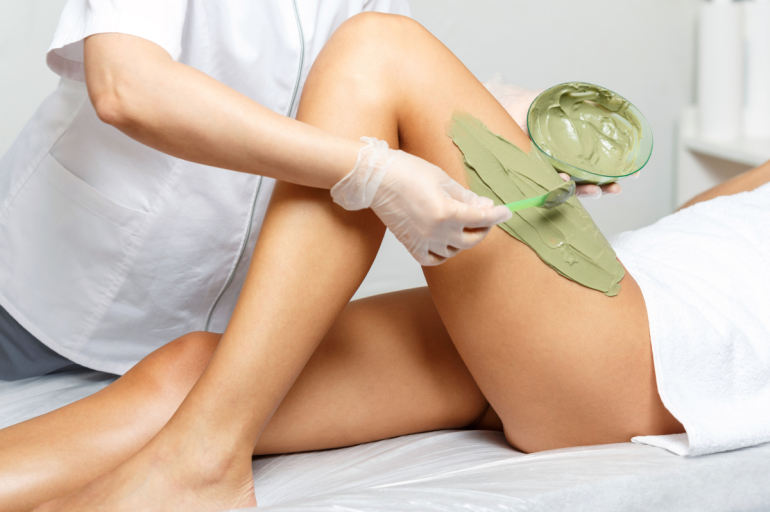
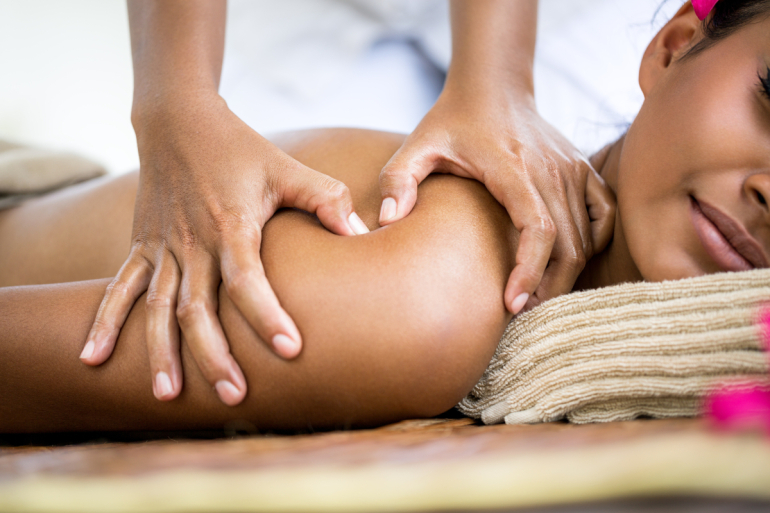
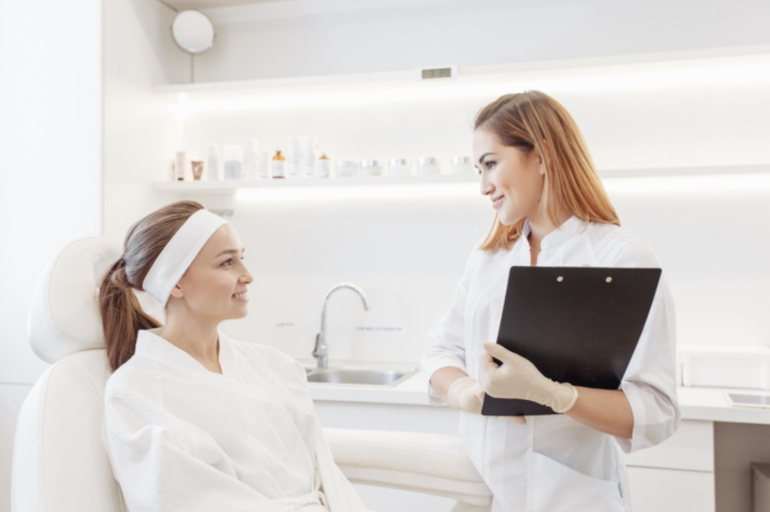
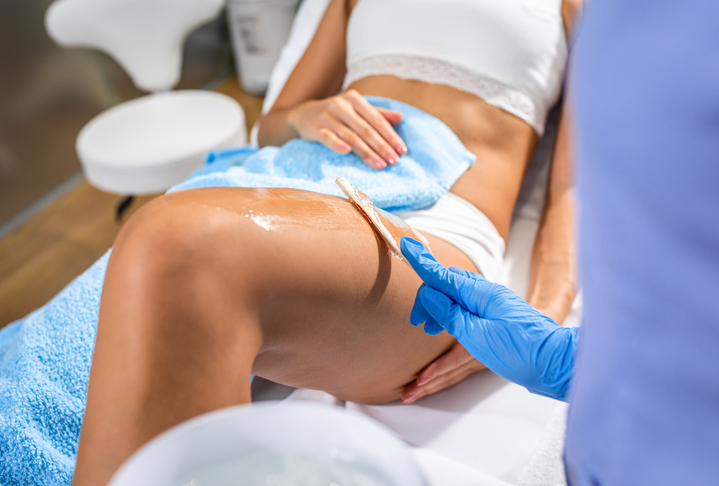
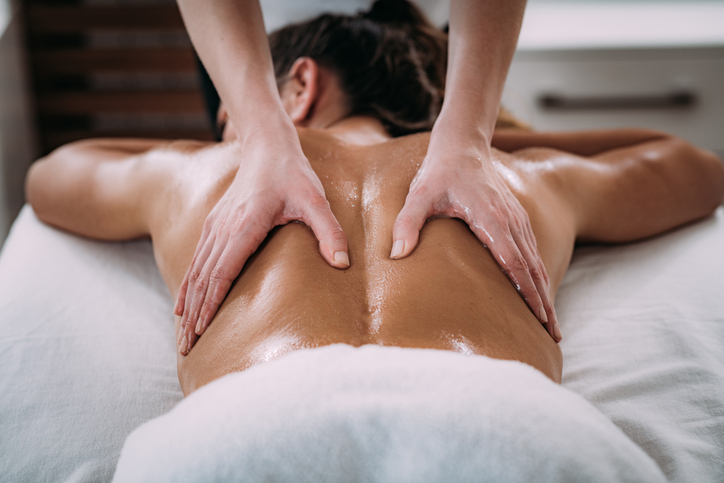
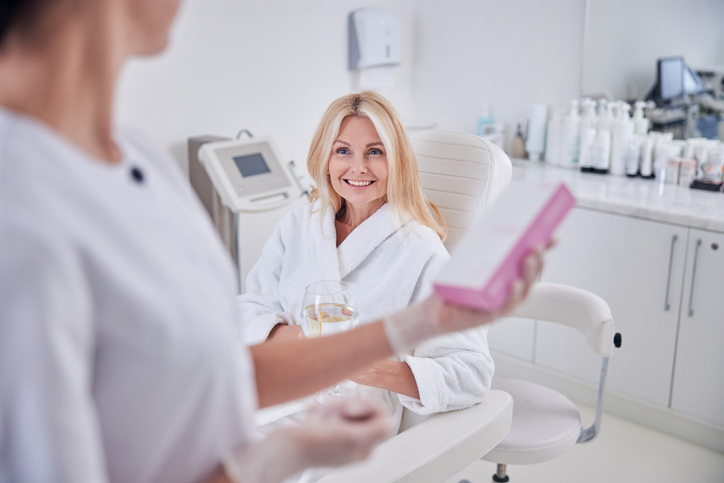
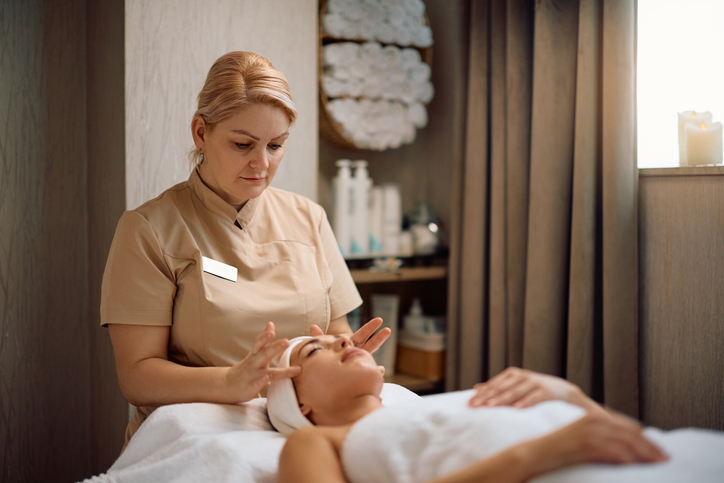
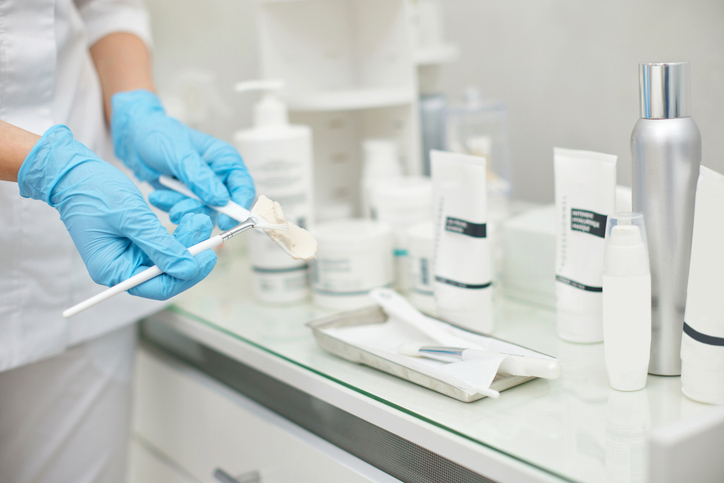
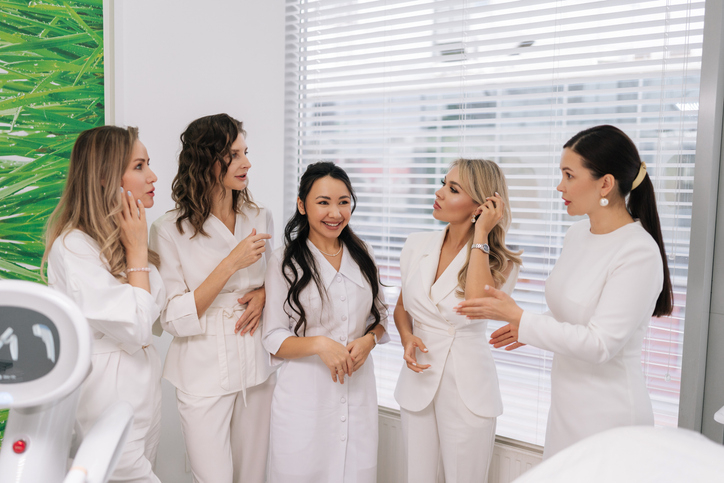
Learning hub
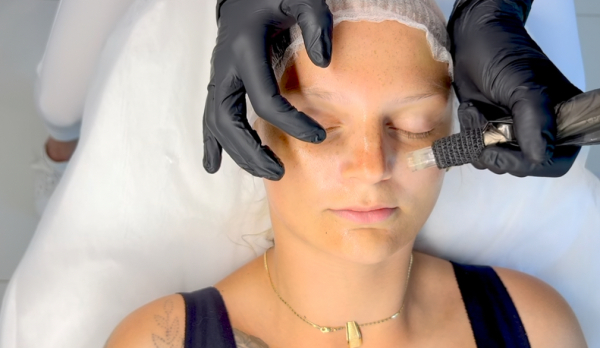
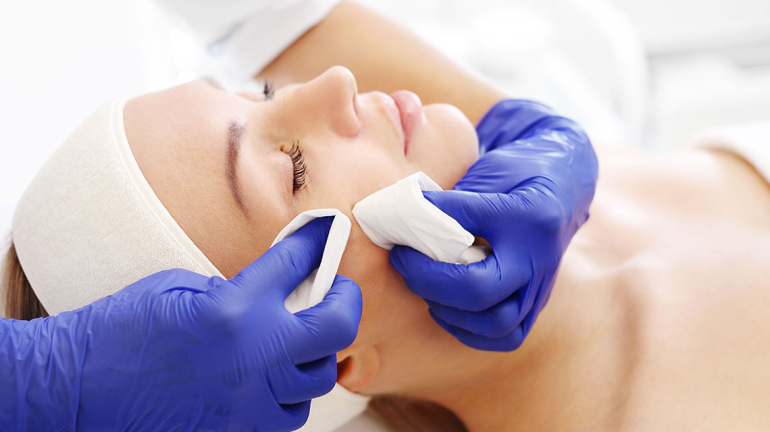
How to choose the right facial – skin assessment and treatment planning
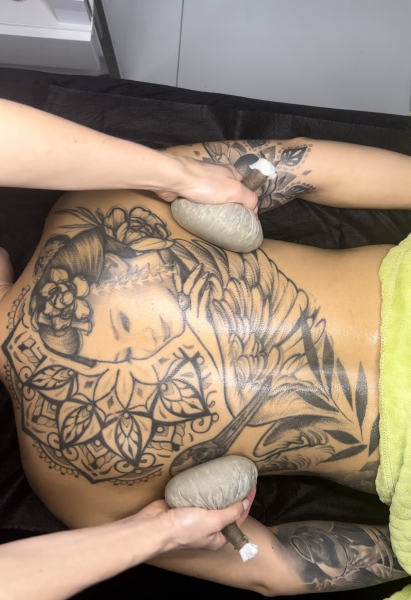
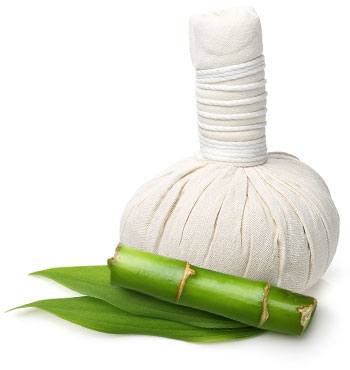
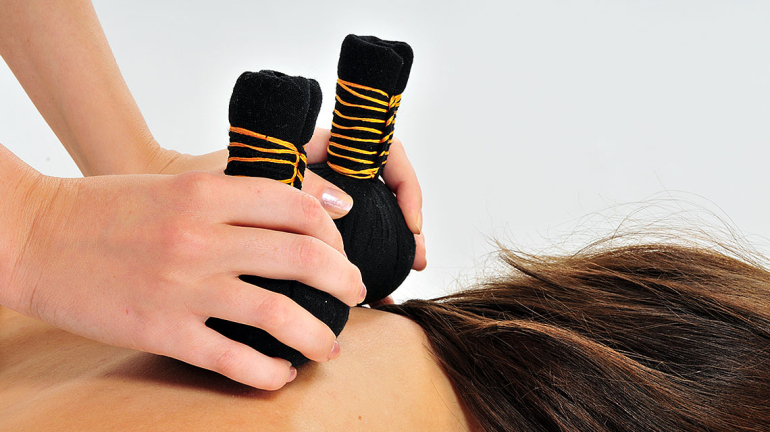
Matcha massage stamp – how to prepare and use it step by step
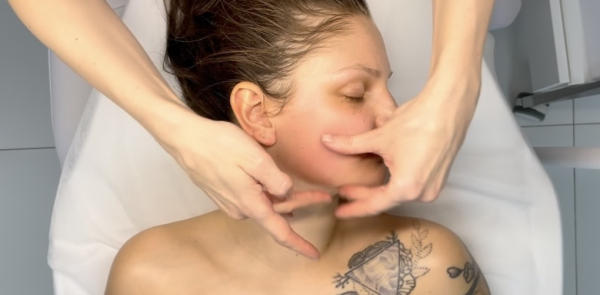
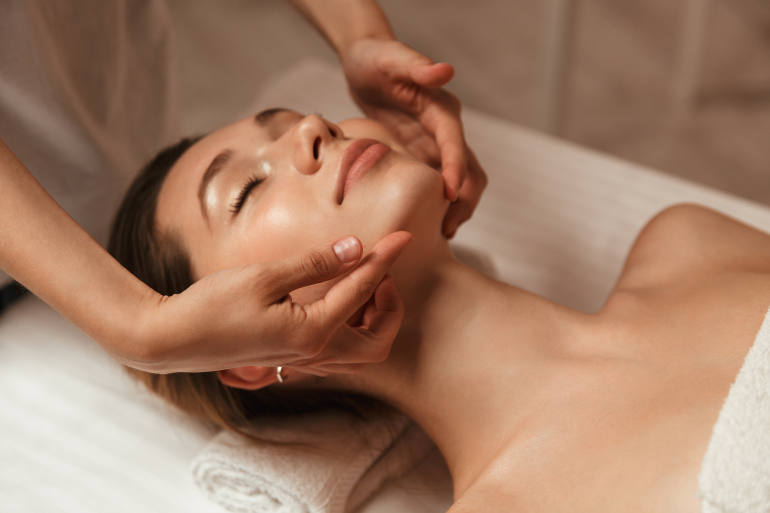
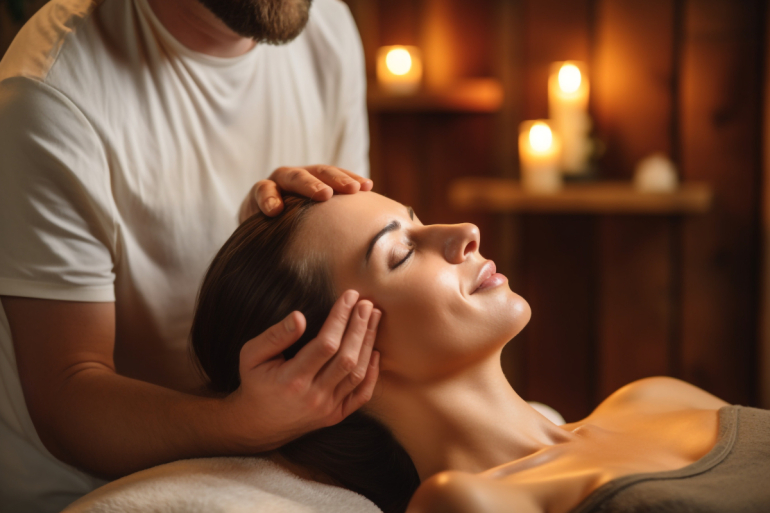
Why Kobido facial massage is so effective
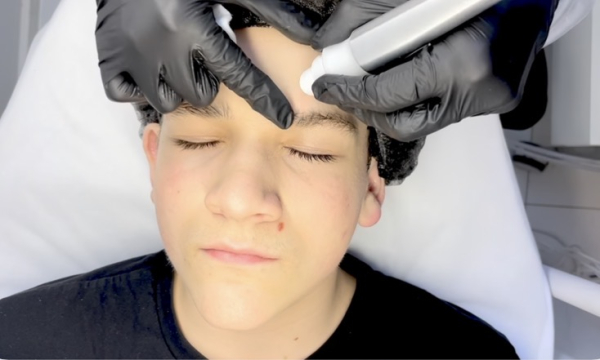
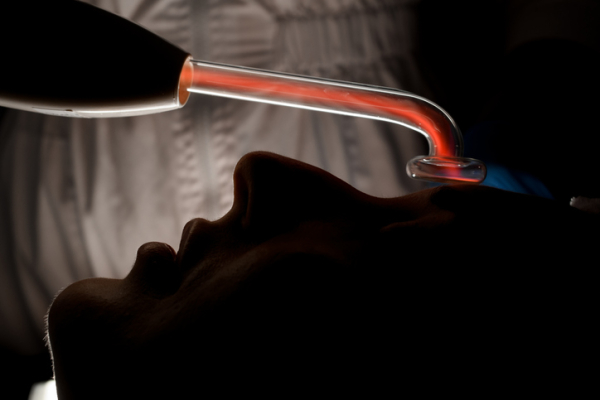
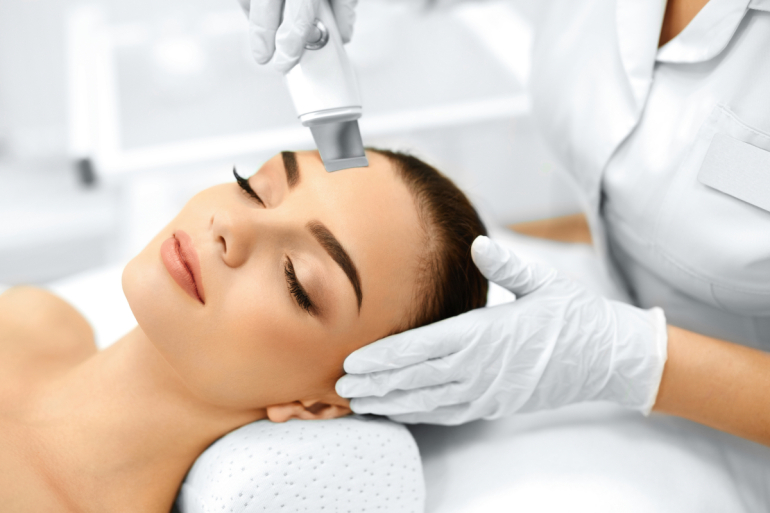
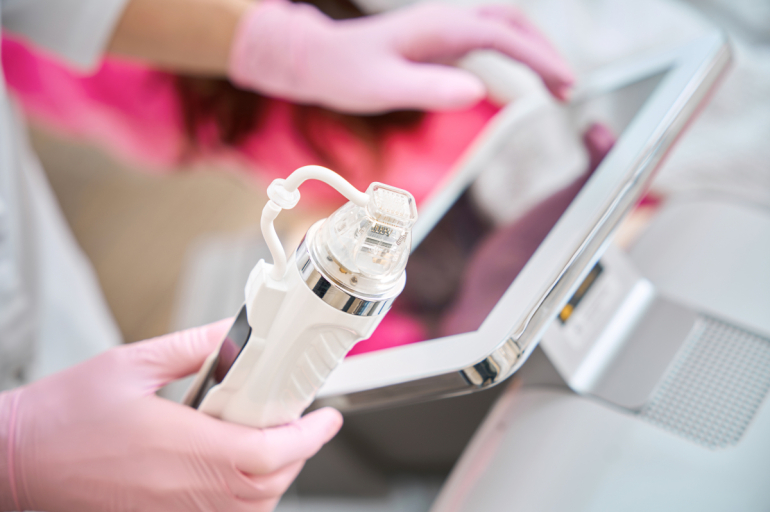
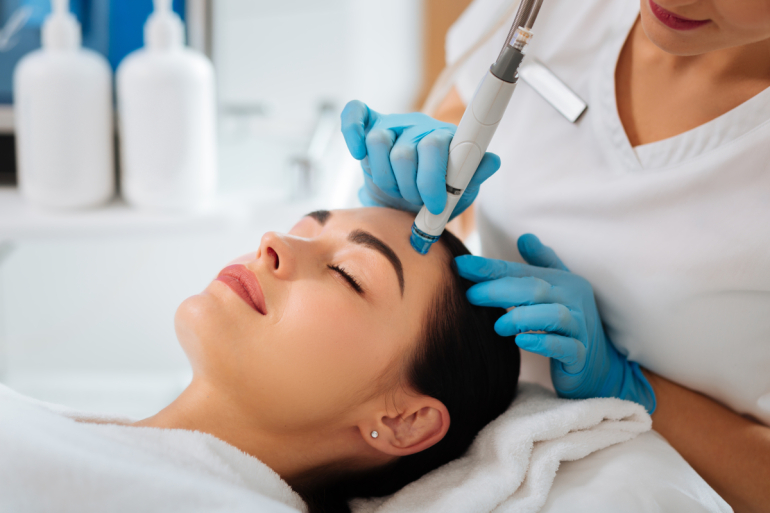
Hydrogen facial – who it’s for and what results to expect
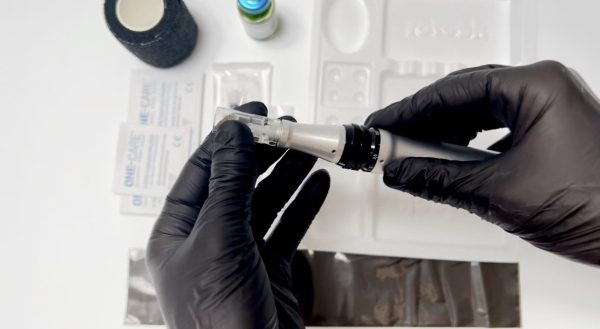
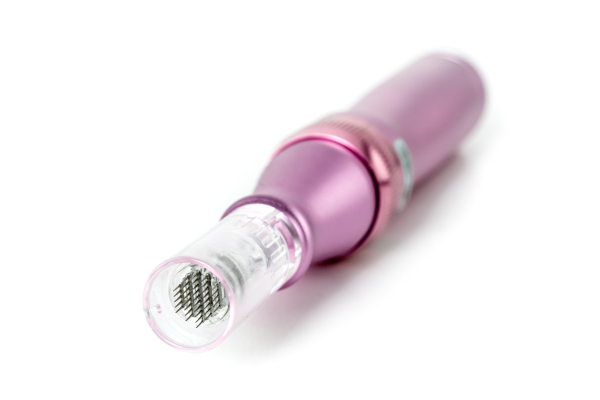
Microneedling – how it works and how it transforms your skin
How to become an esthetician step by step
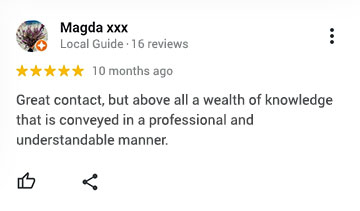
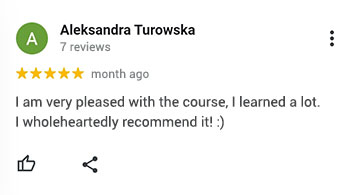
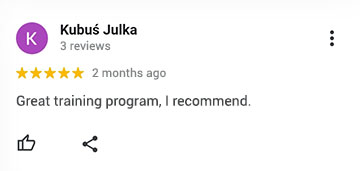
Student reviews
Start right away
Get instant access to your course after purchase. Follow a step-by-step process and know exactly what to do at every stage.

Our partners





Frequently Asked Questions
How do I access my purchased course?
You get access to the course immediately after purchase.
The course is automatically assigned to your account, so you can start learning right away — with no waiting and no additional steps.
Simply log in to your account to access all materials.
Can I perform treatments in practice after completing the course?
The course prepares you to perform treatments by presenting clear procedures, structured workflows, and practical guidance used in real client work.
You don’t just learn the treatment itself. You also learn:
- how to prepare the skin and your workspace
- how to select the right parameters and products
- how to perform the treatment step by step
- what to pay attention to in order to work safely and confidently
This gives you a clear framework you can apply in practice.
Does the course include step-by-step instructions?
Yes. Each stage of the treatment is presented in a clear, structured way — from preparation, through the procedure, to aftercare.
The materials guide you through the entire process, so you know:
- what to do at each stage of the treatment
- the correct order of each step
- what to pay attention to while working
This allows you to follow a clear framework instead of guessing what comes next.
Will I learn how to work with clients, not just perform the treatment?
Yes. The course is based on real treatment room practice, so it goes beyond the procedure itself and covers the full client workflow.
You’ll learn, among other things:
- how to conduct a consultation and prepare the client
- how to choose the right treatment based on the skin’s needs
- how to structure the entire appointment step by step
- how to work in a safe and informed way
This allows you to understand the full process of working with a client, not just individual steps of a treatment.
What’s included in the course and how does the training work?
The course is designed as a structured program that combines theoretical knowledge with practical preparation for treatment work.
The materials guide you step by step through the entire process — from the fundamentals, through preparation, to performing the treatment and aftercare.
Inside the course, you’ll find:
- theoretical modules covering anatomy, dermatology, and hygiene standards
- preparation of the workspace and product selection
- product lists and elements of work organization
- treatment protocols guiding you step by step through the full process
- structured instructions for performing the treatment
- demonstration videos showing proper technique
This approach allows you not only to understand the procedures, but also to apply them in real practice.