Join over 70 professional beauty and massage courses online. Learn specific treatments or join the online beauty academy and complete the full program from fundamentals to working with clients. Earn certificates and save up to 40% with bundles.

 online
Join over 70 professional beauty and massage courses online. Learn specific treatments or join the online beauty academy and complete the full program from fundamentals to working with clients. Earn certificates and save up to 40% with bundles.


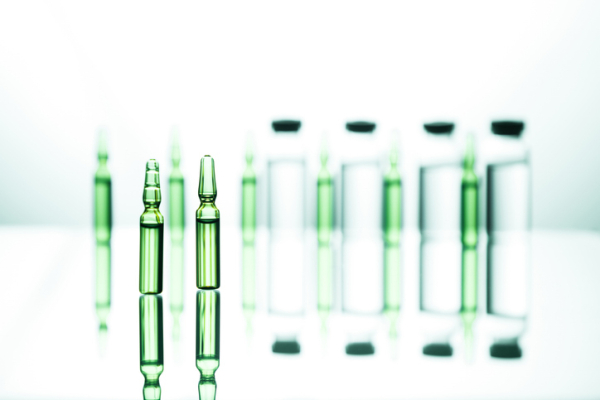
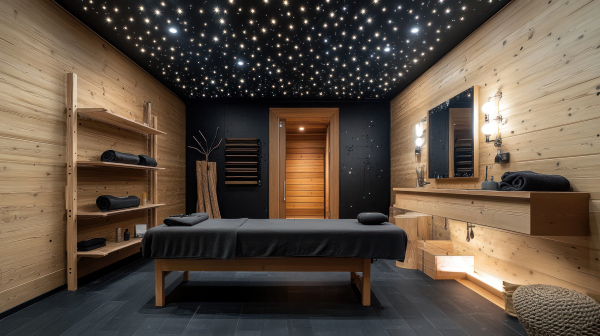
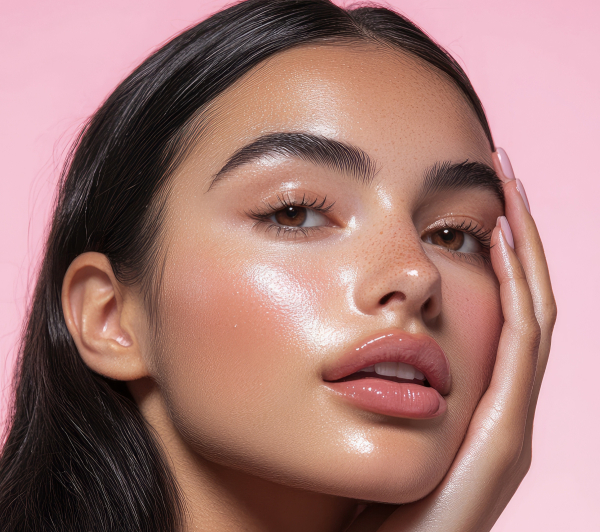
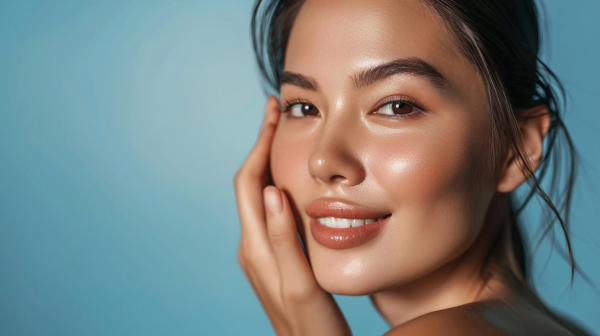
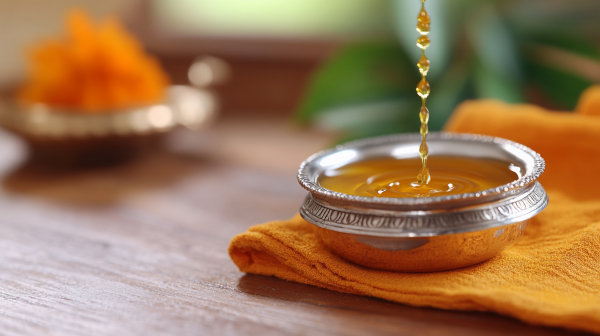
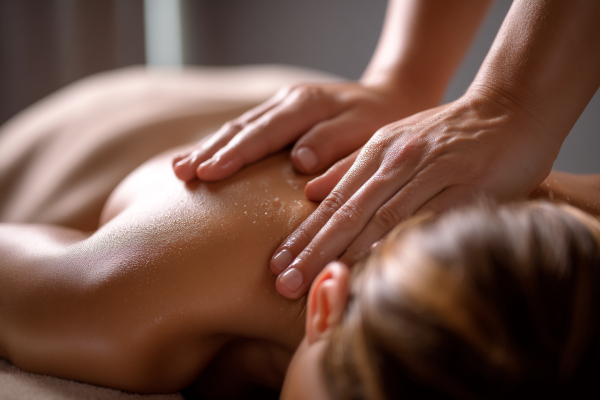
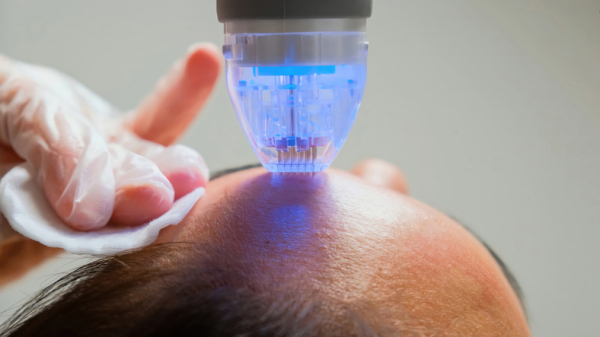
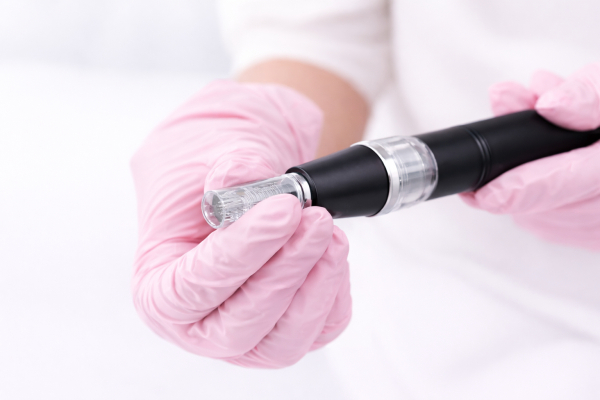
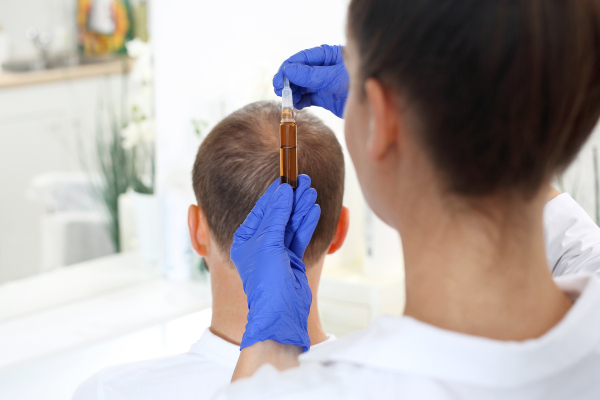
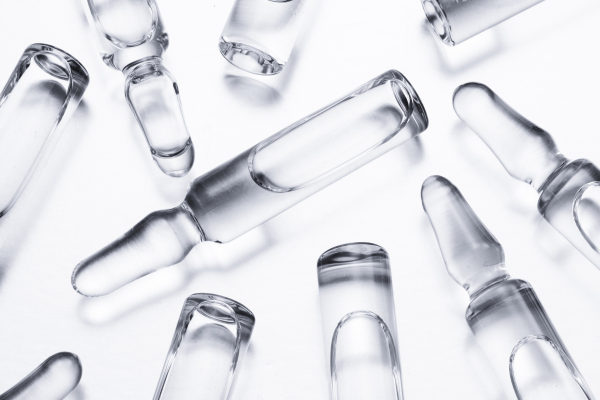
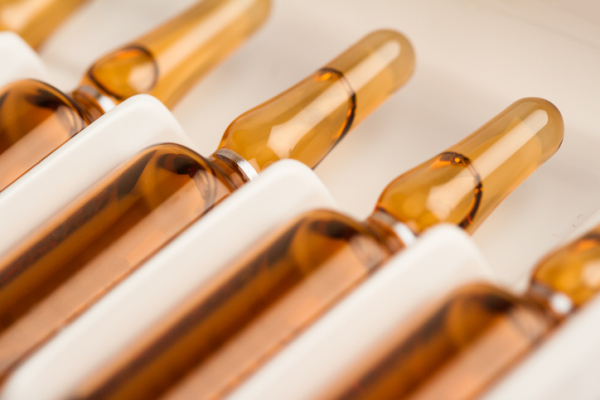
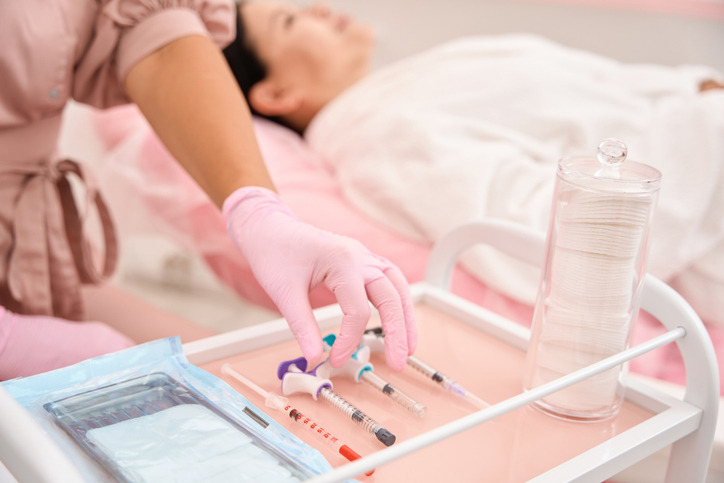
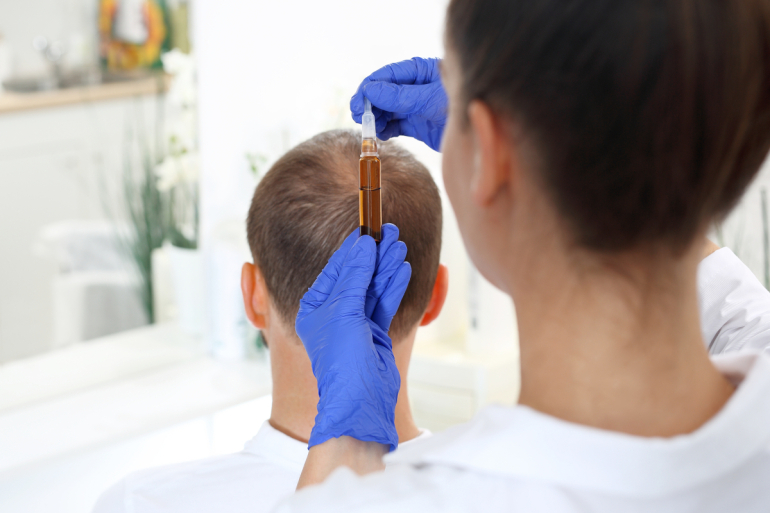
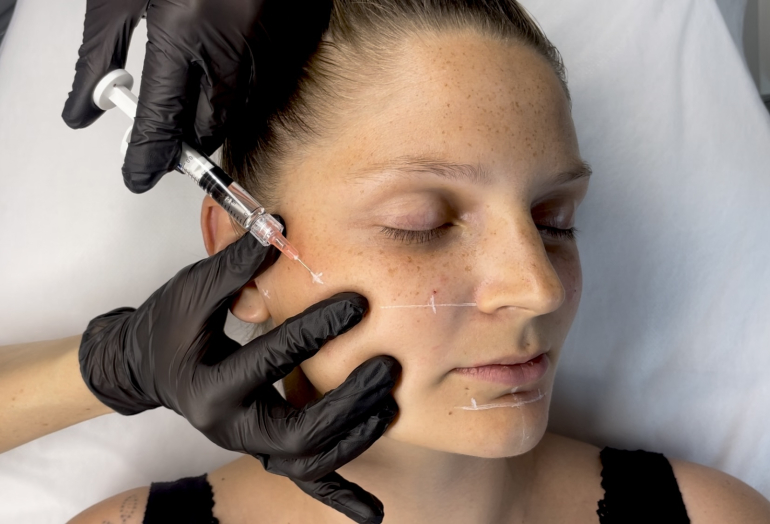
Injectable treatment that improves skin quality. Learn the technique, product selection, and treatment.
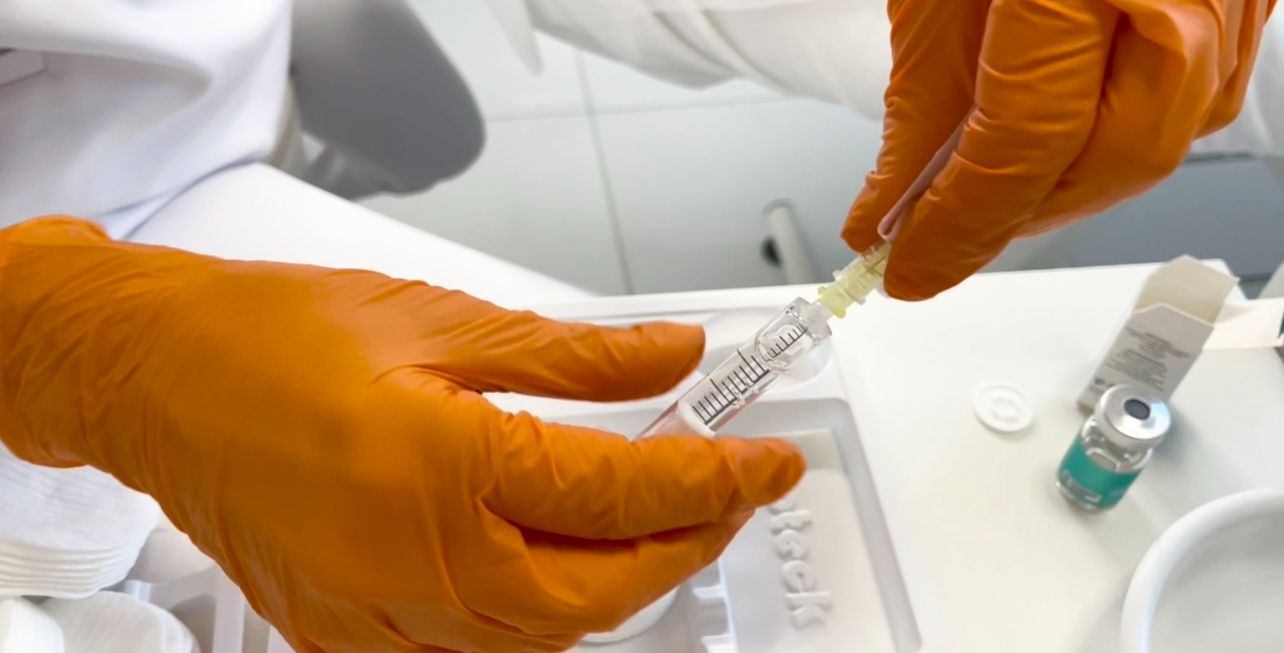
If you want to learn how to work in the beauty industry step by step, explore our one-year online academy program. It’s a structured learning path designed to take you from fundamentals to advanced client work.

Your course is available right after purchase. Start immediately.
Follow each stage of the treatment with clear, structured instructions.
Get treatment workflows, product lists, and supporting materials.
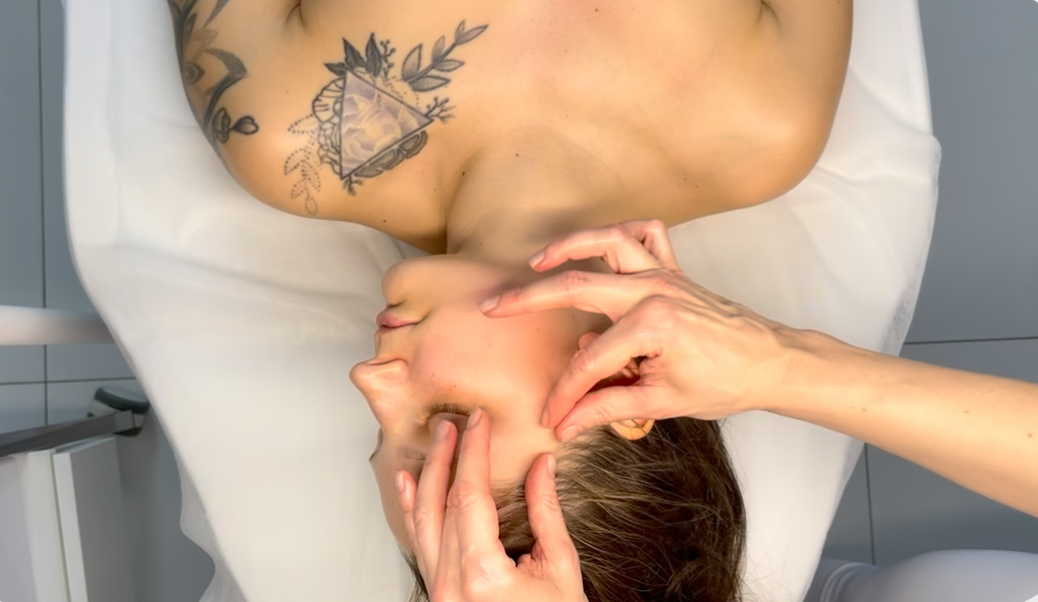
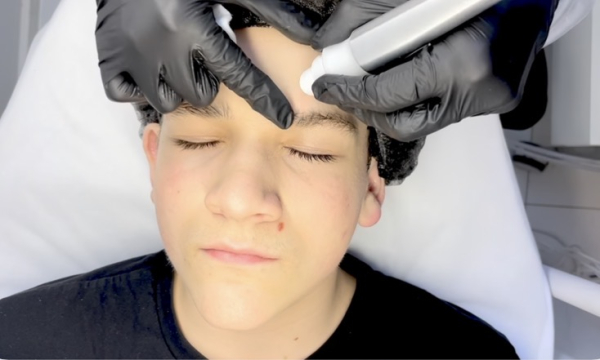
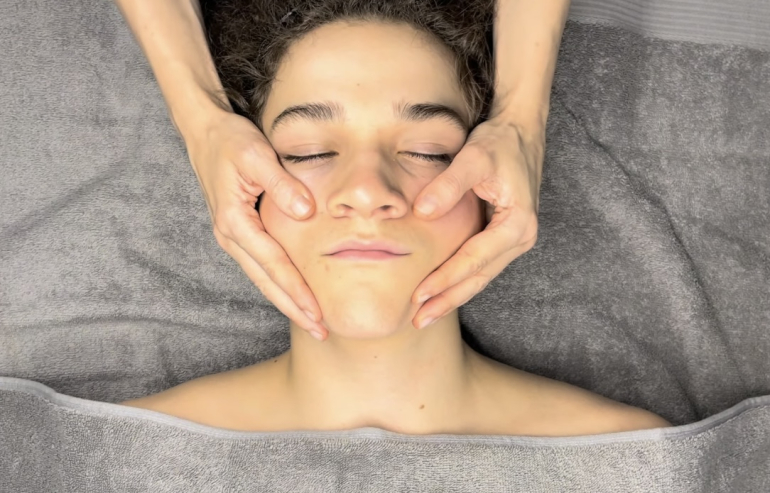
Watch real treatments and learn through practical demonstrations.
Complete the course and receive your certificate.
Learn whenever it fits your schedule.
If you want to learn effectively and at your own pace, you’re in the right place. You learn what’s been proven in real practice — with ready-to-use protocols, materials, and step-by-step guidance.

Each completed lesson or course ends with a certificate that confirms your skills. You receive it immediately after passing the quiz, allowing you to continuously grow your expertise and strengthen your professional image.
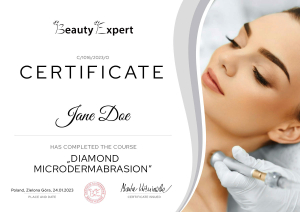
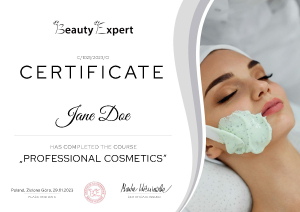
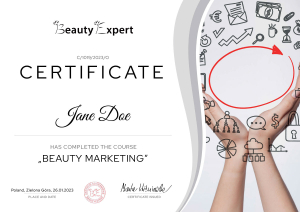
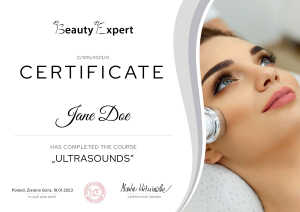
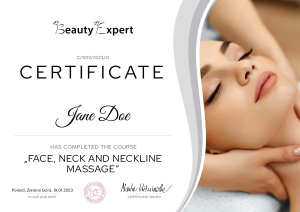
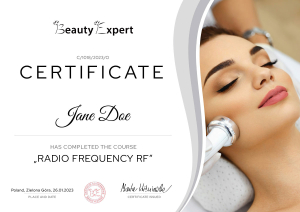
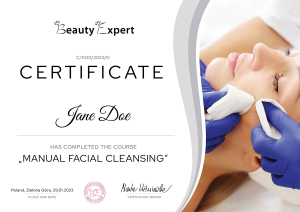
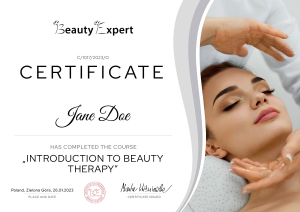

This program includes 48 lessons designed to take you from the basics to advanced-level client work. You learn how to perform treatments, select the right techniques, combine them effectively, and guide clients from analysis to results. The program is built as a structured learning system that leads you step by step through the entire client process.

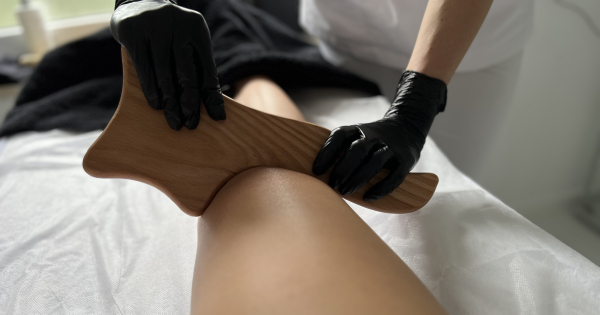
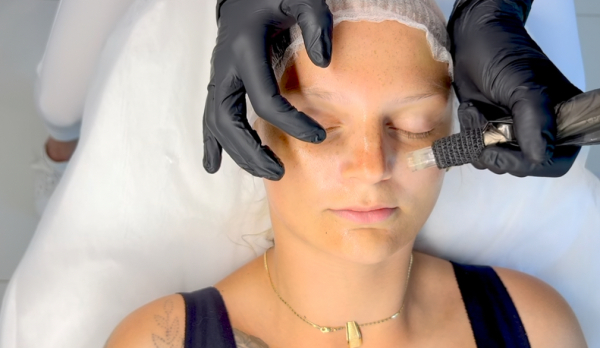
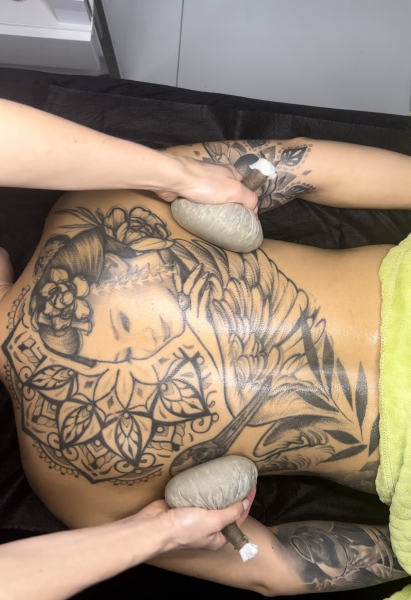
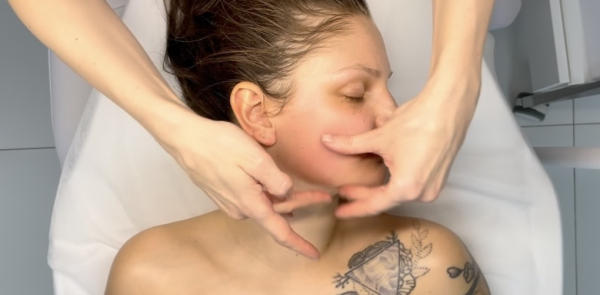
The online beauty academy is designed to prepare you step by step for working and earning in the beauty industry — without large upfront investment. The program builds your skills in a structured way and gives you the ability to revisit the materials anytime.





You get access to the course immediately after purchase.
The course is automatically assigned to your account, so you can start learning right away — with no waiting and no additional steps.
Simply log in to your account to access all materials.
The course prepares you to perform treatments by presenting clear procedures, structured workflows, and practical guidance used in real client work.
You don’t just learn the treatment itself. You also learn:
This gives you a clear framework you can apply in practice.
Yes. Each stage of the treatment is presented in a clear, structured way — from preparation, through the procedure, to aftercare.
The materials guide you through the entire process, so you know:
This allows you to follow a clear framework instead of guessing what comes next.
Yes. The course is based on real treatment room practice, so it goes beyond the procedure itself and covers the full client workflow.
You’ll learn, among other things:
This allows you to understand the full process of working with a client, not just individual steps of a treatment.
The course is designed as a structured program that combines theoretical knowledge with practical preparation for treatment work.
The materials guide you step by step through the entire process — from the fundamentals, through preparation, to performing the treatment and aftercare.
Inside the course, you’ll find:
This approach allows you not only to understand the procedures, but also to apply them in real practice.