Hydradermabrasion – active solutions, exfoliation mechanisms, and clinical application
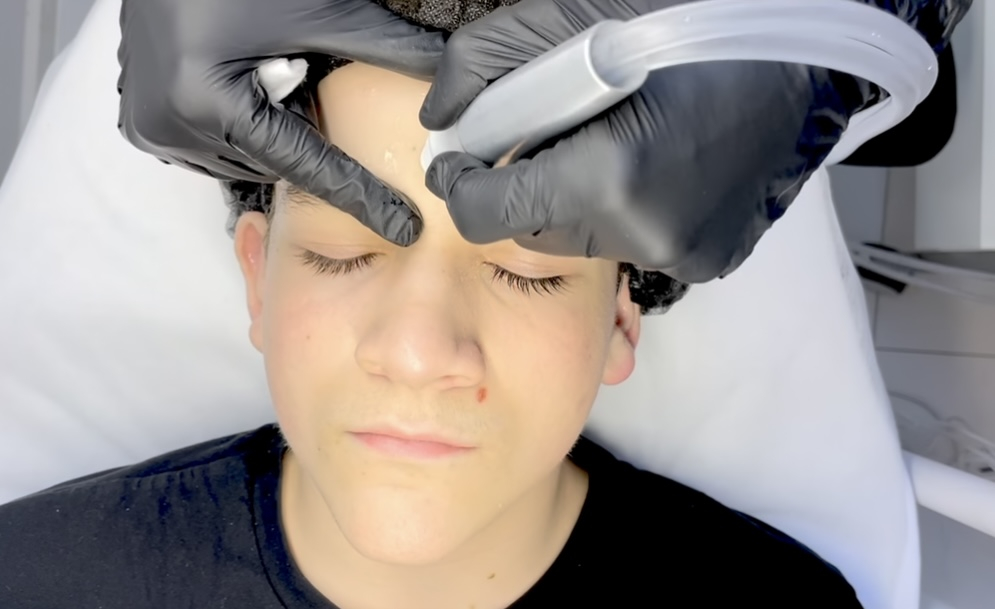
Hydradermabrasion is recognized as one of the most advanced non-invasive skin treatment modalities due to its ability to combine controlled exfoliation, intensive hydration, and targeted infusion of active ingredients within a single procedural framework. The clinical effectiveness of hydradermabrasion depends not only on the technology used, but to a significant extent on the formulation, concentration, and sequence of the solutions applied during each treatment stage.
Properly designed hydradermabrasion solutions enable simultaneous cleansing, corneocyte softening, and epidermal support without compromising the integrity of the skin barrier. When applied in a structured protocol, these formulations allow for effective exfoliation while maintaining optimal skin tolerance and post-treatment comfort.
Botanical hydrolates in hydradermabrasion protocols
Botanical hydrolates are bioactive aqueous distillates obtained during the steam distillation of plant materials. In hydradermabrasion procedures, hydrolates serve primarily as soothing, hydrating, and balancing agents that support the skin during exfoliation-based treatments. Their low molecular weight and high water content allow for rapid epidermal absorption without occlusive burden.
Within exfoliating protocols, hydrolates play a critical role in maintaining physiological skin balance, minimizing transepidermal water loss, and reducing sensations of tightness or discomfort, particularly in sensitive, reactive, or vascular-prone skin types.
Common hydrolates used in hydradermabrasion
Rose hydrolate
supports epidermal hydration and moisture retention,
provides antioxidant protection against environmental stressors,
enhances skin comfort during exfoliation and suction-based procedures.
Witch hazel hydrolate
offers gentle toning and astringent activity,
helps reduce visible erythema and irritation,
supports fragile capillaries and vascular-prone skin,
assists in regulating excess sebum production.
Sandalwood hydrolate
supports epidermal nourishment and surface smoothness,
contributes to improved skin elasticity,
is well suited for mature, fatigued, or dull-appearing skin.
Hydradermabrasion solutions frequently incorporate mild chemical exfoliants designed to loosen corneocyte cohesion and facilitate controlled removal of the stratum corneum. These agents act both on the skin surface and within follicular openings, improving clarity and texture without inducing aggressive irritation.
Salicylic acid, a lipophilic beta-hydroxy acid, is commonly used in hydradermabrasion due to its ability to penetrate sebaceous follicles and interact with sebum. This property makes it particularly effective in protocols targeting congestion, excess oil production, and uneven skin texture.
Key functional effects include:
support of balanced sebum regulation,
reduction of inflammatory tendencies within follicles,
dissolution of compacted corneocytes in the stratum corneum,
improvement of skin smoothness and surface uniformity.
Enzymatic exfoliation for sensitive and reactive skin
Enzymatic exfoliants provide an alternative approach for clients who cannot tolerate stronger chemical acids or whose skin requires a particularly gentle exfoliation strategy. Enzymes selectively target protein structures within corneocyte junctions, allowing for gradual exfoliation without mechanical trauma.
Papain, a proteolytic enzyme derived from papaya, facilitates controlled corneocyte separation by breaking peptide bonds between cells. This mechanism supports exfoliation while minimizing irritation and post-treatment sensitivity.
Observed effects include:
uniform and controlled exfoliation,
support of sebum balance,
antioxidant protection at the skin surface,
visible brightening and refinement of the complexion.
In addition to acids and enzymes, urea is frequently included in hydradermabrasion formulations. Urea provides mild keratolytic activity while simultaneously enhancing hydration, improving epidermal softness, and supporting the skin microbiome through its gentle antibacterial properties.
Synergistic action of active ingredients in hydradermabrasion
The clinical effectiveness of hydradermabrasion results from the synergistic interaction of exfoliating, hydrating, antibacterial, and soothing components within a single non-invasive procedure. Hydrolates calm and rebalance the skin, acids refine texture and cleanse follicles, enzymes provide gentle surface renewal, and regenerating ingredients support barrier recovery following exfoliation.
This multi-level synergy allows for visible improvements in skin tone, clarity, and softness while maintaining epidermal integrity, treatment comfort, and long-term skin health.
We’ve been educating the beauty industry for 20 years.
For over 20 years, Beauty Expert has been shaping beauty education, training thousands of students in cosmetology, massage therapy, and aesthetic treatments.
Today, Beauty Expert is one of the leading educational platforms for beauty professionals, offering specialized training programs. Our platform is used by learners from more than 100 countries worldwide.
Create your own learning path in the beauty industry
Beauty Expert School combines cosmetology, massage, manual techniques, advanced beauty technologies, and client care in one comprehensive program. With full access, you receive all 48 lessons immediately, choose the order in which you complete them, and complete the program in one month, a few months, or over the course of a full year.
Beauty Expert Online does not support older browser versions that may not support all site functionalities. Please use the latest browser versions Google Chrome, Firefox, Microsoft Edge or others.