Beginner esthetics course – how to choose and where to start Choosing your first esthetics course directly impacts how quickly you start working with clients and the kind of results you achieve.
A common mistake is selecting random techniques instead of a program that teaches how to assess skin and guide a full treatment process.
In practice, it’s not about how many treatments you learn, but whether you understand when and why to use them.
In this article, you’ll learn how to choose your first esthetics course and what to look for to build real, usable skills.
Where to start learning esthetics Learning should not begin with a single treatment.
A professional approach follows a structured flow:
assessment → plan → treatment → results review
Without this structure, even well-executed treatments won’t deliver consistent outcomes.
Your first course should introduce the full workflow, not just isolated techniques.
What to look for in your first esthetics course Program scope A strong beginner course goes beyond a single treatment.
It should include:
treatment room fundamentals
skin assessment
treatment selection
understanding skin response
Without this, learning stays fragmented and difficult to apply in real practice.
Focus on skin assessment Skin assessment is the foundation of professional results.
It determines treatment outcomes.
identifying skin types
analyzing skin concerns
differentiating conditions
building treatment plans
A course without assessment teaches procedures without understanding.
System-based learning Beginners often choose single-technique courses.
This leads to inconsistent results.
A better approach is learning a structured system:
assessment → decision → treatment → observation
Room for growth Your first course should be a starting point, not a limitation.
Look for programs that support continued development and skill progression.
Single course or complete program A single course offers a quick start but doesn’t build full competence.
That’s why comprehensive programs are becoming the preferred choice.
An example is an online esthetics school that guides you step by step through the entire workflow.
Instead of learning disconnected techniques, you develop a consistent method of working with skin.
What you learn in a complete program A comprehensive program covers more than treatments. It builds a full professional process.
Foundations and safety
treatment room setup
hygiene and sanitation
infection control
professional responsibility
Skin and anatomy
skin structure
facial muscles
circulation and lymph flow
tissue response
Assessment and planning
skin analysis
identifying concerns
creating treatment plans
selecting appropriate methods
Professional treatments
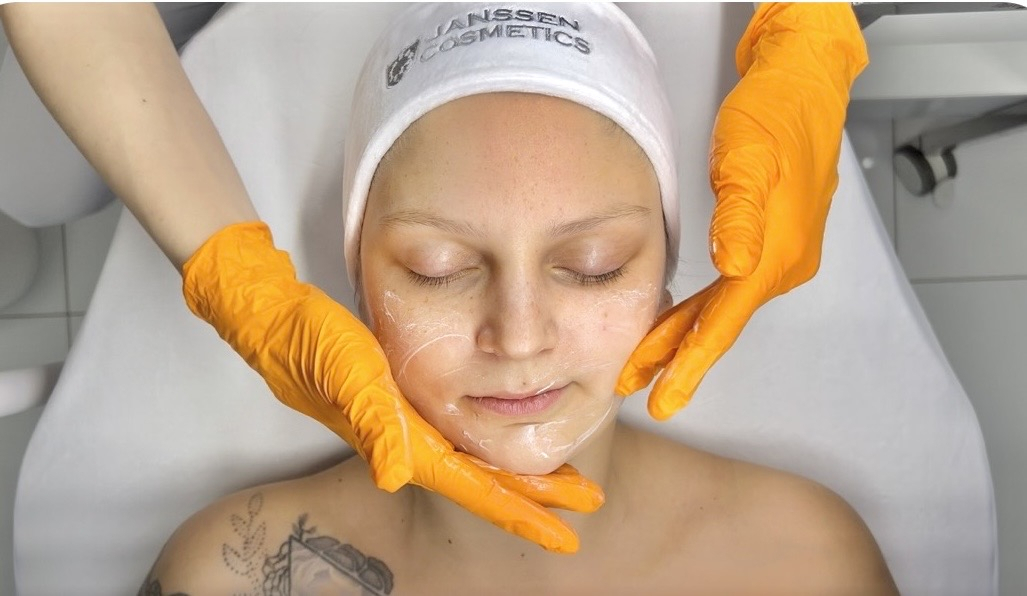
skin cleansing
exfoliation and peels
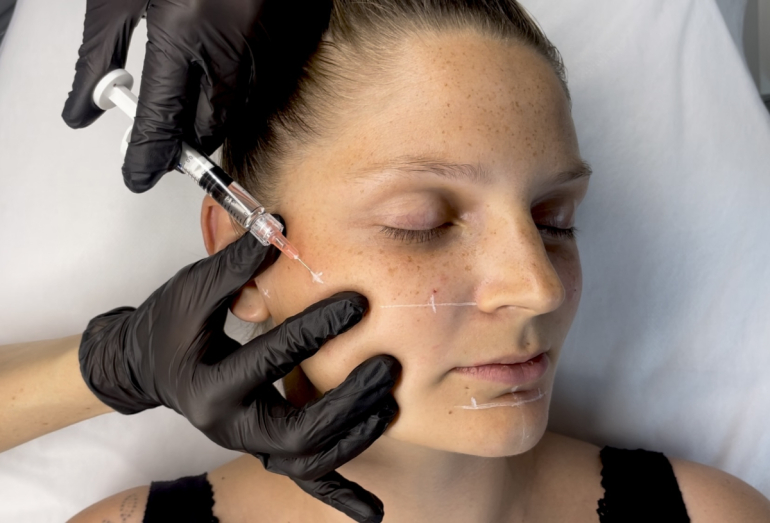
mesotherapy and technologies
device-based treatments
Manual therapies
facial massage
lifting techniques
lymphatic drainage
muscle tension work
Client work
consultation and intake
communication
treatment progression
results evaluation
You can review the full program here:
esthetics school program
Why your first course should teach a system The biggest difference in results comes from how you think, not just what you do.
A professional who understands the process can:
match treatments to skin needs
avoid common mistakes
deliver consistent results
develop faster
Without this, work becomes trial and error.
Common mistakes when choosing a course
choosing based on a single technique
no focus on skin assessment
only learning how to perform a treatment
no treatment planning
This leads to knowledge that doesn’t translate into real client work.
Frequently asked questions Can you start with no experience? Yes. The key is choosing a course that teaches from the ground up and includes the full treatment process.
What is the best beginner esthetics course? The best option is one that includes skin assessment, treatment planning, and hands-on procedures rather than a single technique.
Is one course enough to start working? A single course provides a foundation, but full readiness comes from a comprehensive program covering the entire workflow.
Beginner esthetics course – summary Your first course should not be random.
It sets the foundation for your entire career.
The most effective path is choosing a program that teaches not only treatments, but the full process of working with skin.
This allows you to build real skills and achieve consistent results.
If you want a structured and professional start, explore how the full program works:
beauty school program