Advanced facial manual therapy – biomechanics, fascia & skin rejuvenation
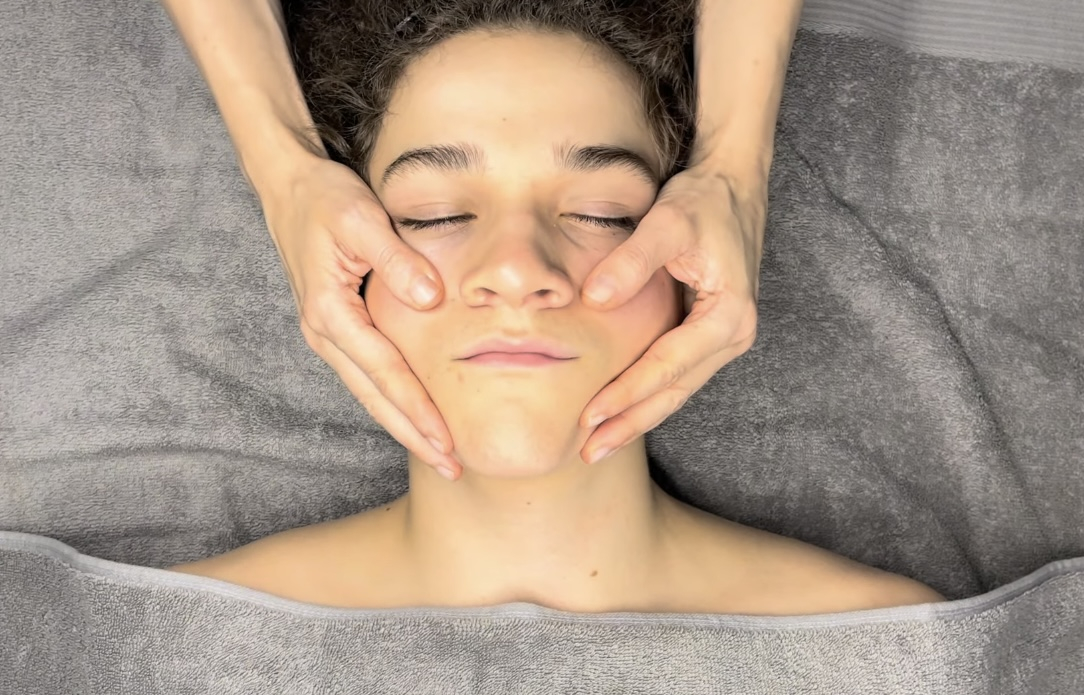
Advanced facial manual therapy is becoming one of the most respected, science-based approaches in modern aesthetics. Rather than focusing solely on the skin surface, these methods work through deeper structures — fascia, muscles, joints, and the nervous system — creating structural, metabolic, and functional changes that traditional cosmetic treatments cannot achieve.
This article explains how advanced facial manual techniques work, why they produce visible rejuvenation, and why they are increasingly considered a foundational element of contemporary skin clinic protocols.
What is advanced facial manual therapy?
Facial manual therapy is an umbrella term encompassing multiple evidence-based techniques that target the musculoskeletal, fascial, lymphatic, and neuromuscular systems of the face. Unlike surface-focused cosmetic treatments, manual therapy approaches the face as a biomechanical structure influenced by:
posture and cranial alignment
muscle tension and imbalance
fascial restrictions
lymphatic stagnation
joint dysfunction within the TMJ and craniofacial system
By stimulating receptors located in the skin, fascia, and periosteal layers, manual therapy improves circulation, neuromuscular tone, tissue metabolism, and oxygenation — all of which directly influence skin quality and facial contours.
Key techniques used in professional facial manual therapy
These modalities influence not only muscle tone, but also the deeper causes of facial asymmetry, swelling, bruxism, temporomandibular dysfunction, and restricted tissue glide.
Science-backed benefits of manual facial therapy
1. Improves muscle balance and facial symmetry Targeted work on muscles such as the masseter, zygomaticus, buccinator, orbicularis oris, and cervical structures supports proper biomechanics and reduces compensatory tension patterns.
2. Stimulates fascia for improved contour and elasticity Fascial adhesions restrict movement and create uneven tension. Manual therapy restores tissue glide, enhancing natural lifting and facial harmony.
3. Enhances microcirculation and lymphatic flow Improved vascular and lymphatic function reduces puffiness, brightens the complexion, and supports cellular repair.
4. Supports TMJ function and reduces bruxism-related symptoms Transbuccal and intraoral techniques decrease hypertonicity and improve joint mechanics.
5. Boosts skin metabolism and collagen quality Indirect stimulation of fibroblasts contributes to long-term improvements in skin texture, firmness, and tone.
How manual therapy differs from cosmetic and invasive procedures
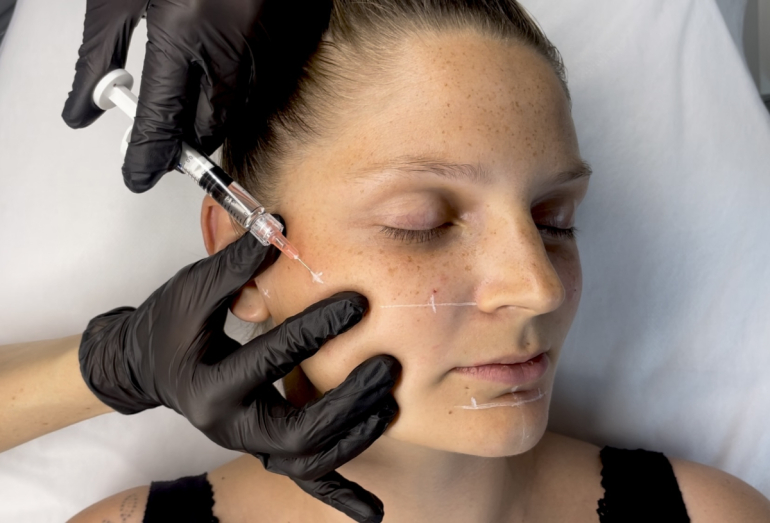
While both aim to improve facial appearance, manual therapy works through physiological regulation rather than mechanical filling or neuromuscular paralysis.
Manual therapy:
restores natural muscle function
improves structure from within
supports tissue health and regeneration
creates long-term changes through biomechanical correction
Invasive procedures:
act quickly but mechanically
do not address functional causes
may weaken muscles over time
require repeated interventions
These approaches are not mutually exclusive; however, many professionals now view manual therapy as the foundational layer for sustainable, long-term aesthetic results.
Advanced facial manual therapy is more than a cosmetic treatment — it is a restorative, science-based approach that addresses biomechanics, tension patterns, and functional imbalances shaping the face. By working through fascia, muscles, and the nervous system, these techniques deliver natural lifting effects, improved symmetry, and visible rejuvenation that originates within the tissues themselves.
We’ve been educating the beauty industry for 20 years.
For over 20 years, Beauty Expert has been shaping beauty education, training thousands of students in cosmetology, massage therapy, and aesthetic treatments.
Today, Beauty Expert is one of the leading educational platforms for beauty professionals, offering specialized training programs. Our platform is used by learners from more than 100 countries worldwide.
Create your own learning path in the beauty industry
Beauty Expert School combines cosmetology, massage, manual techniques, advanced beauty technologies, and client care in one comprehensive program. With full access, you receive all 48 lessons immediately, choose the order in which you complete them, and complete the program in one month, a few months, or over the course of a full year.
Beauty Expert Online does not support older browser versions that may not support all site functionalities. Please use the latest browser versions Google Chrome, Firefox, Microsoft Edge or others.