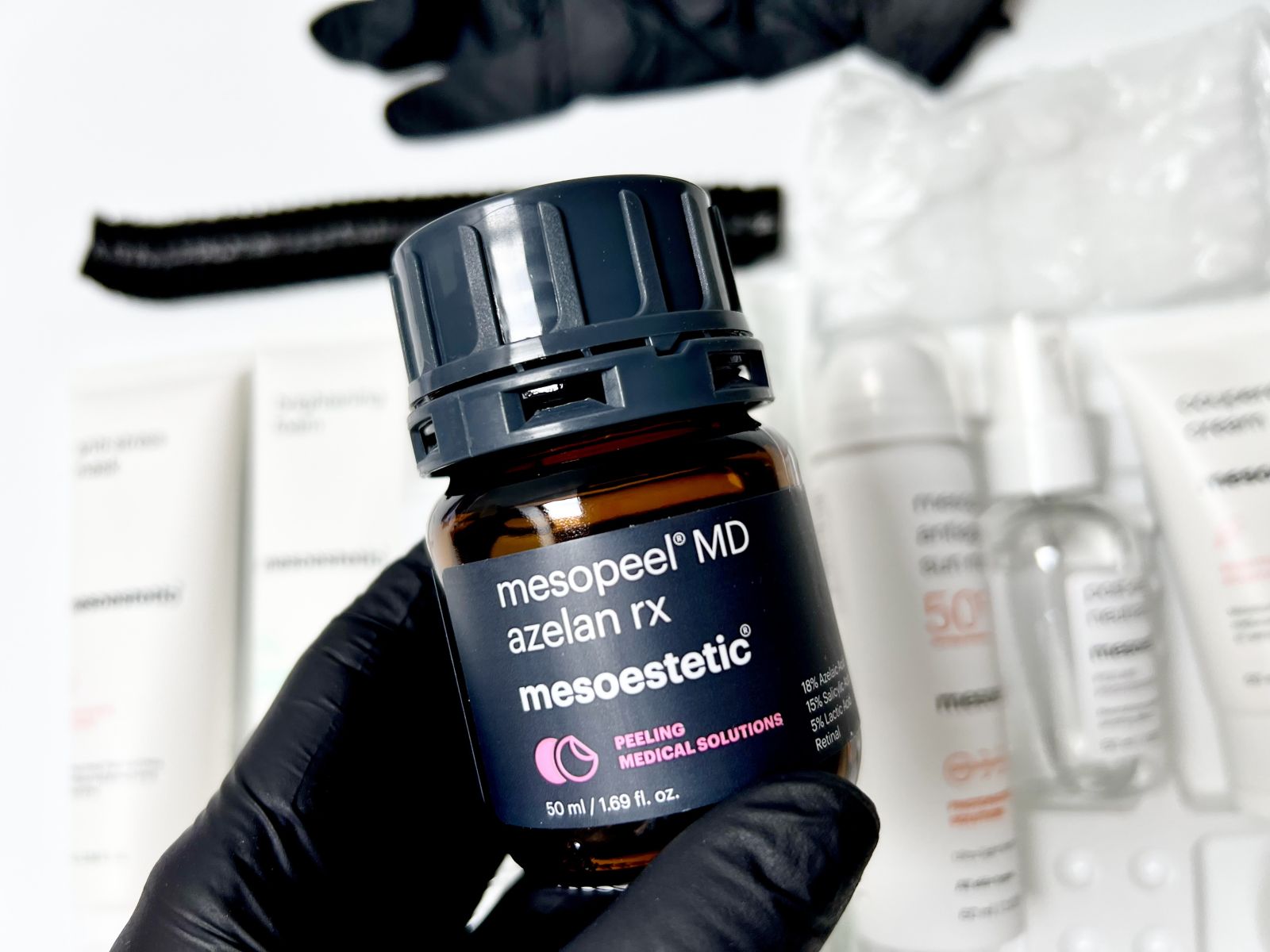
Chemical peels are a method of controlled epidermal exfoliation widely used in esthetic cosmetology to improve skin structure, regulate keratinization processes, and support the treatment of various skin concerns. Acid-based treatments contribute to skin smoothing, reduction of hyperpigmentation, normalization of sebaceous gland activity, and stimulation of regenerative processes.
This lesson introduces participants to the principles of safe chemical peel application, including classification, mechanisms of action, and proper selection based on skin type and individual needs. Treatment protocols, skin responses to acids, and contraindications are thoroughly discussed.
The training includes theoretical content, video materials, and step-by-step instructions, preparing participants for conscious, responsible performance of chemical peels in professional esthetics practice.
Learning Outcomes
After completing the lesson, the participant is able to:
explain the role of chemical peels in cosmetology and their function in skin therapy
discuss the classification of chemical peels, including single-acid, combination, gel-based, and alcohol-based peels
characterize AHA, BHA, AKA, and PHA acids and their applications based on specific skin concerns
explain the mechanism of chemical exfoliation and post-treatment skin processes
interpret the therapeutic effects of chemical peel treatments
consider general facial anatomy as well as skin anatomy and histology when planning a procedure
perform an esthetic skin analysis and assess different skin types
properly qualify the client for chemical peel therapy
recognize indications and contraindications for acid-based treatments
consider skin diseases relevant to peel qualification
select the appropriate type of chemical peel based on skin type and needs
plan a peel treatment protocol, including concentrations, exposure time, and treatment series
prepare the treatment station and products in accordance with aseptic and safety standards
select and use appropriate application tools (brush, gauze, spatula)
properly prepare the client’s skin for the procedure
perform chemical peels step by step, including gel-based and alcohol-based peels
monitor skin response and control product exposure time
perform neutralization and treatment completion according to protocol
apply safety measures and prevent complications
assess epidermal regeneration processes following exfoliation
plan post-procedure skin recovery stages
select appropriate post-treatment care and sun protection
formulate in-office and home care recommendations following chemical peels
combine chemical peels with other esthetic procedures to enhance treatment outcomes
organize workflow during peel procedures
integrate chemical peel therapy into professional esthetics practice
WHAT YOU RECEIVE IN THIS LESSON
Instructional video materials
Interactive theoretical content
Treatment protocols
Product checklist
Knowledge assessment quiz
Opportunity to test knowledge with a practice final exam
Unlimited access to the lesson throughout the duration of the program, with the option to extend access for any period of time
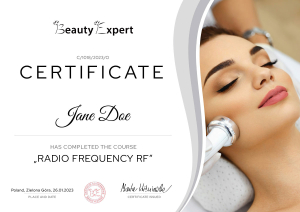
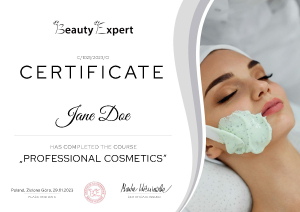
With each completed course, you earn a certificate available in three languages, which you can download immediately after passing the quiz. Step by step, you build your own portfolio of verified skills, develop at your own pace, and strengthen your professional credibility within the beauty industry.
Educating the beauty industry for 20 years
If you want to learn effectively and at your own pace, you’re in the right place. Our courses combine years of hands-on experience with detailed treatment protocols, instructional videos, and advanced cosmetology-medical educational materials—designed to support your professional growth regardless of where you are based.
Beauty Expert Online does not support older browser versions that may not support all site functionalities. Please use the latest browser versions Google Chrome, Firefox, Microsoft Edge or others.