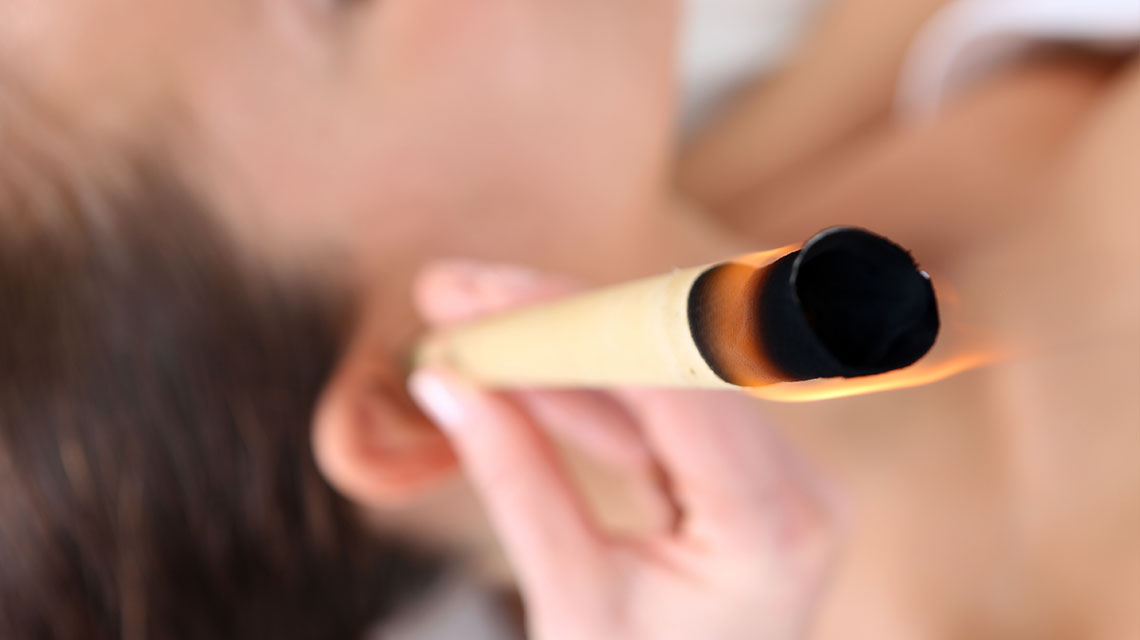
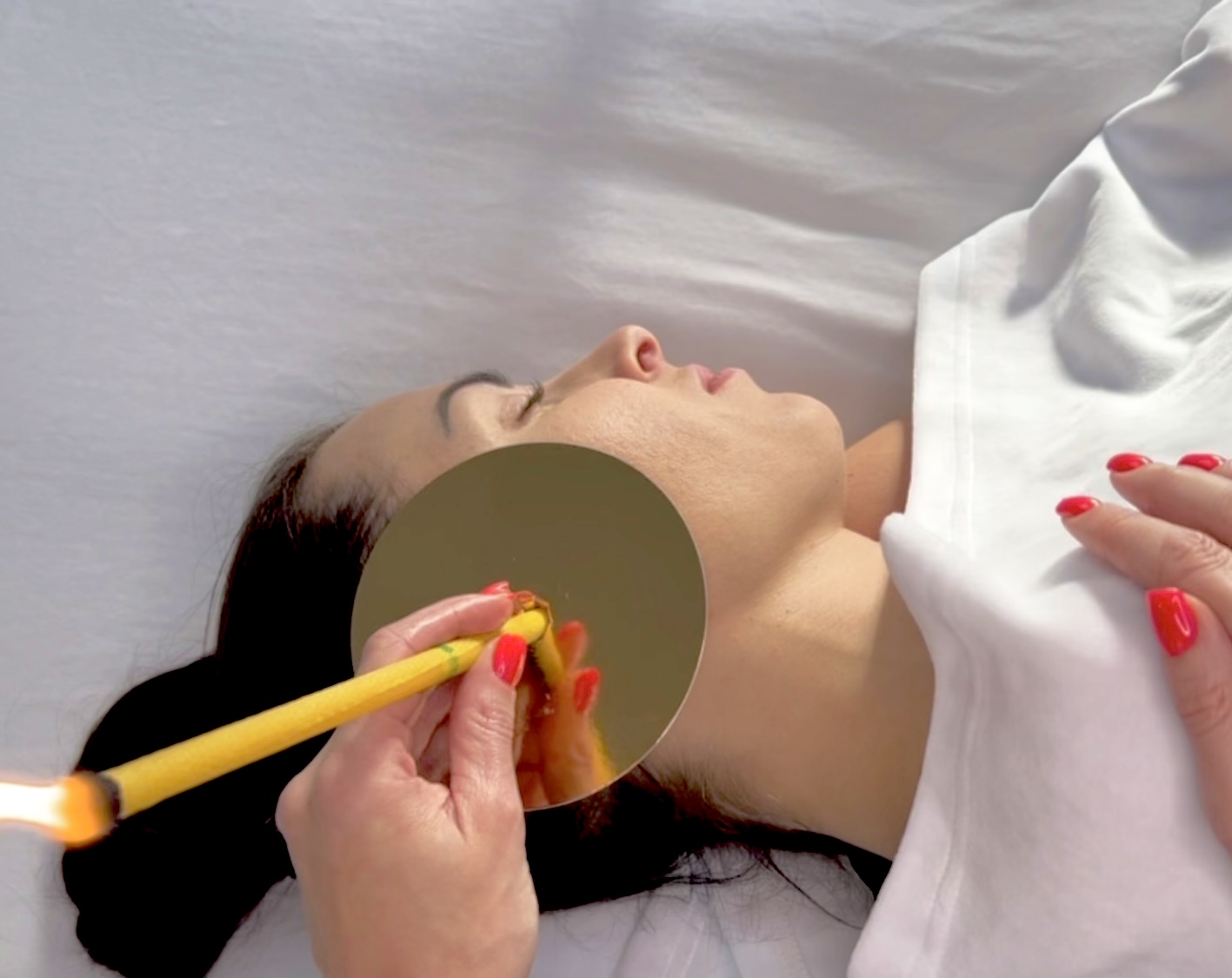
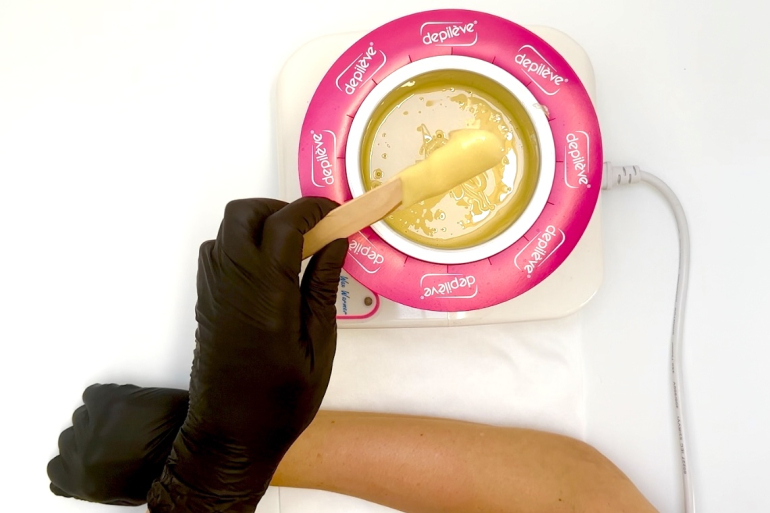
The Hopi Ear Candling lesson introduces a traditional procedure using specially designed ear candles positioned at the entrance to the external ear canal. You'll explore the origins of the method, the structure and types of ear candles, the traditional ear candling procedure step by step, and principles of safety evaluation and client suitability assessment. You'll also learn which benefits have traditionally been attributed to this method and which claims are not supported by scientific evidence.
You'll explore the anatomy of the outer ear, the structure of the ear canal, and the ear's natural protective and self-cleaning mechanisms. You'll examine the so-called chimney effect, how ear candles work, and the limitations of this proposed mechanism. You'll learn why ear candling is not a recognized method for removing earwax or treating ear conditions, and why residue found inside a used candle does not provide reliable evidence that the ear canal has been cleaned.
You'll learn how to identify contraindications and evaluate the risks associated with ear candling. You'll explore different types of ear candles, their material composition, and how these properties relate to safety. You'll also learn when clients should be referred to an ear, nose, and throat (ENT) specialist, particularly when experiencing ear pain, hearing loss, discharge, suspected infection, or other concerning symptoms.
An important part of the lesson focuses on workstation organization, protecting clients from open flames, and recognizing potential complications. You'll explore risks associated with burns, wax entering the ear canal, skin irritation, and damage to ear structures. You'll also learn how to respond to warning signs and the importance of appropriate action following an injury.
The practical training demonstrates the traditional Hopi ear candling procedure step by step, including workstation preparation, material selection, client preparation, a demonstration of the individual stages, and completion of the procedure. Particular emphasis is placed on identifying hazards, understanding the method's safety limitations, monitoring client reactions, and providing appropriate follow-up recommendations. Due to the risk of injury, ear candling is not recommended as a method of cleaning the ear canal.
What You'll Learn – Theory
fundamentals and origins of Hopi ear candling
the chimney effect and evaluation of its relevance to ear candling
claimed effects of ear candling and limitations of scientific evidence
types of ear candles used in the traditional procedure
ear candle composition and properties of the materials used
anatomy of the outer ear
traditional ear candling procedure
evaluating ear condition and preparing for the procedure
step-by-step stages of ear candling
post-procedure care and follow-up
traditionally claimed indications and principles of client suitability assessment
contraindications for ear candling
potential skin reactions, client sensations, and adverse effects
hygiene, safety, and injury prevention practices
organizing the workstation for a procedural demonstration
traditional recommendations regarding treatment frequency and the absence of evidence-based treatment protocols
post-procedure recommendations and monitoring for warning signs
What You'll Learn – Practice
preparing the treatment room and workstation for a procedural demonstration
organizing the procedure and identifying hazards associated with open flames
selecting and evaluating products and materials used in ear candling
preparing the client and discussing contraindications and procedural risks
step-by-step demonstration of the traditional Hopi ear candling procedure, including safety considerations
After completing this lesson, you'll understand the origins of Hopi ear candling, the types of candles used, and the traditional procedure. You'll learn how to recognize contraindications and identify hazards associated with open flames and hot wax. You'll also become familiar with situations requiring referral to a medical professional.
Hopi Ear Candling is a lesson in the Beauty Expert School online program, introducing the traditional procedure, materials used, procedural demonstrations, and principles of informed risk assessment and client safety.
Explore the program, see how the lessons are organized, and discover the flexibility of our self-paced learning model.
Find out what you'll learn at Beauty Expert School, what makes the program unique, and how to make the most of your 12 months of access to all educational materials.
After completing an online beauty course and successfully passing the knowledge quiz, you'll receive a certificate recognized in the beauty industry, confirming the skills you've acquired. Your certificate is instantly available in your account and can be downloaded digitally.
We’ve been educating the beauty industry for 20 years.
For over 20 years, Beauty Expert has been shaping beauty education, training thousands of students in cosmetology, massage therapy, and aesthetic treatments.
Today, Beauty Expert is one of the leading educational platforms for beauty professionals, offering specialized training programs. Our platform is used by learners from more than 100 countries worldwide.
Beauty Expert Online does not support older browser versions that may not support all site functionalities. Please use the latest browser versions Google Chrome, Firefox, Microsoft Edge or others.